Why High Intelligence Can Sometimes Hinder Effective Decision-Making
March 12, 2026 - 13:36
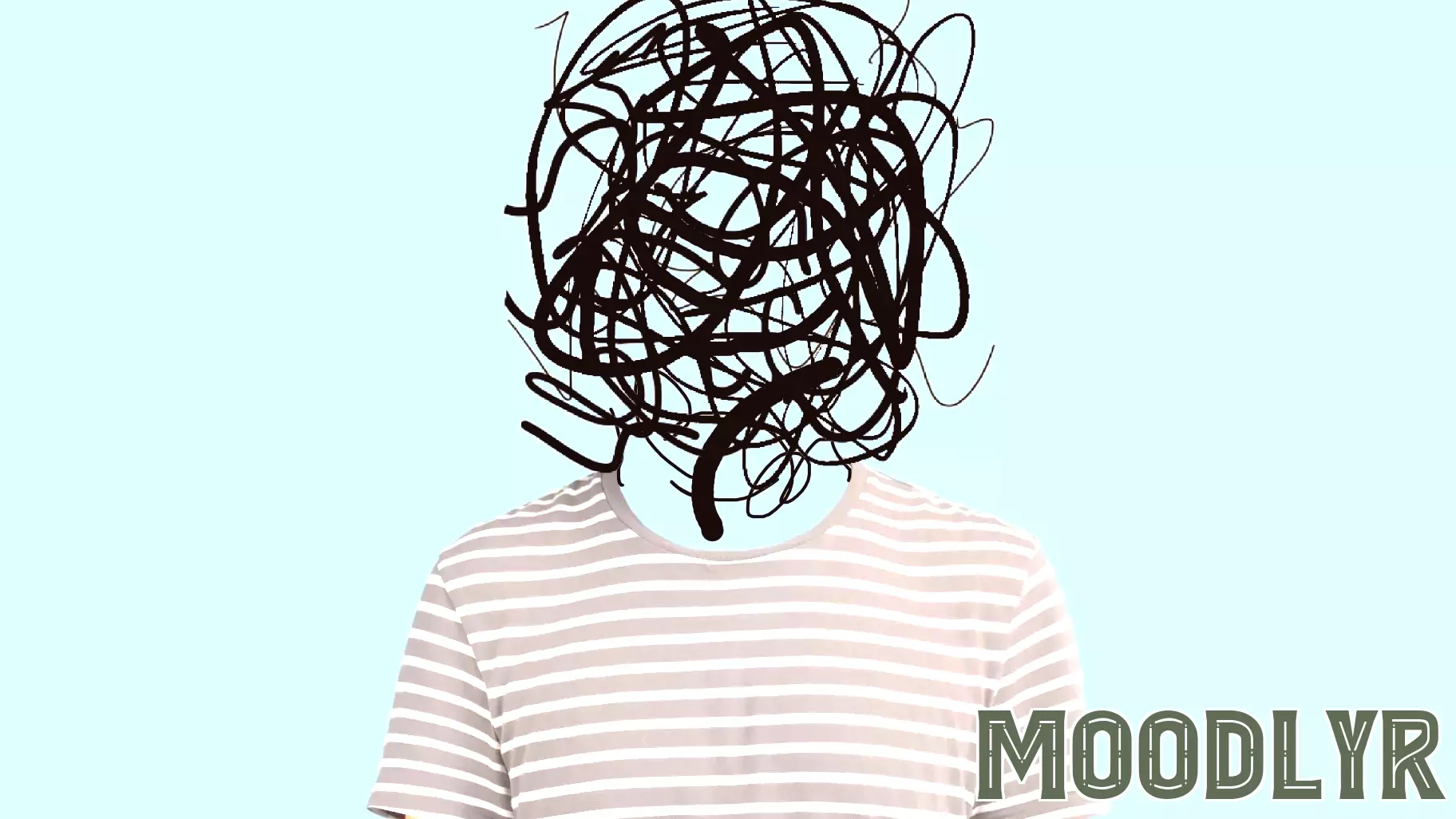
The very traits that make people smart, such as high standards, deep analysis, and awareness of alternatives, can also make decisions significantly harder. This counterintuitive reality means that intellectual horsepower does not always translate to swift or confident choices.
A primary hurdle is the curse of over-analysis. Intelligent individuals often see multiple pathways and potential outcomes for every choice. This deep processing, while valuable, can lead to "analysis paralysis," where the sheer volume of considerations makes selecting a single option feel overwhelming. The desire to optimize every decision becomes a bottleneck.
Furthermore, smart people frequently hold themselves to exceptionally high standards. The fear of making a sub-optimal or "wrong" choice is amplified, leading to excessive caution and procrastination. The weight of expecting a perfect outcome can stifle action altogether.
Finally, a broad awareness of alternatives and complex variables creates uncertainty. While others may see a simple binary choice, a perceptive mind sees nuances, exceptions, and long-term ramifications. This rich understanding of complexity, ironically, undermines the simplicity often required to just decide and move forward. The key is not to diminish intelligence, but to learn to balance deep thought with the timely action necessary in an imperfect world.
MORE NEWS

July 25, 2026 - 17:47
Rethinking Mental Health: From Self-Care to Systemic Solutions in the WorkplaceAcross various industries, including law, medicine, construction, and aviation, there is a noticeable shift in how mental health is approached. Rather than solely focusing on individual self-care...

July 24, 2026 - 09:20
The psychological power of naming legislation after victimsLawmakers have long used the names of tragedy victims to brand new legislation, from Amber Alerts to the Brady Bill. A recent psychology study now explains why this strategy works so well....

July 23, 2026 - 19:18
Why You Whisper in Empty Churches and Libraries Without ThinkingYou step into a vast, silent library or an empty stone church, and without a second thought, your voice drops to a whisper. It feels automatic, almost involuntary. Many people assume this is just...

July 23, 2026 - 12:29
The Hidden Needs Behind Constant ComplainingPsychology suggests that people who complain all the time are not simply negative by nature. Instead, their complaints often signal deeper unmet needs that remain unspoken. When someone gripes...