Why Psychological Safety Matters More in AI-Enabled Teams
June 5, 2026 - 02:34
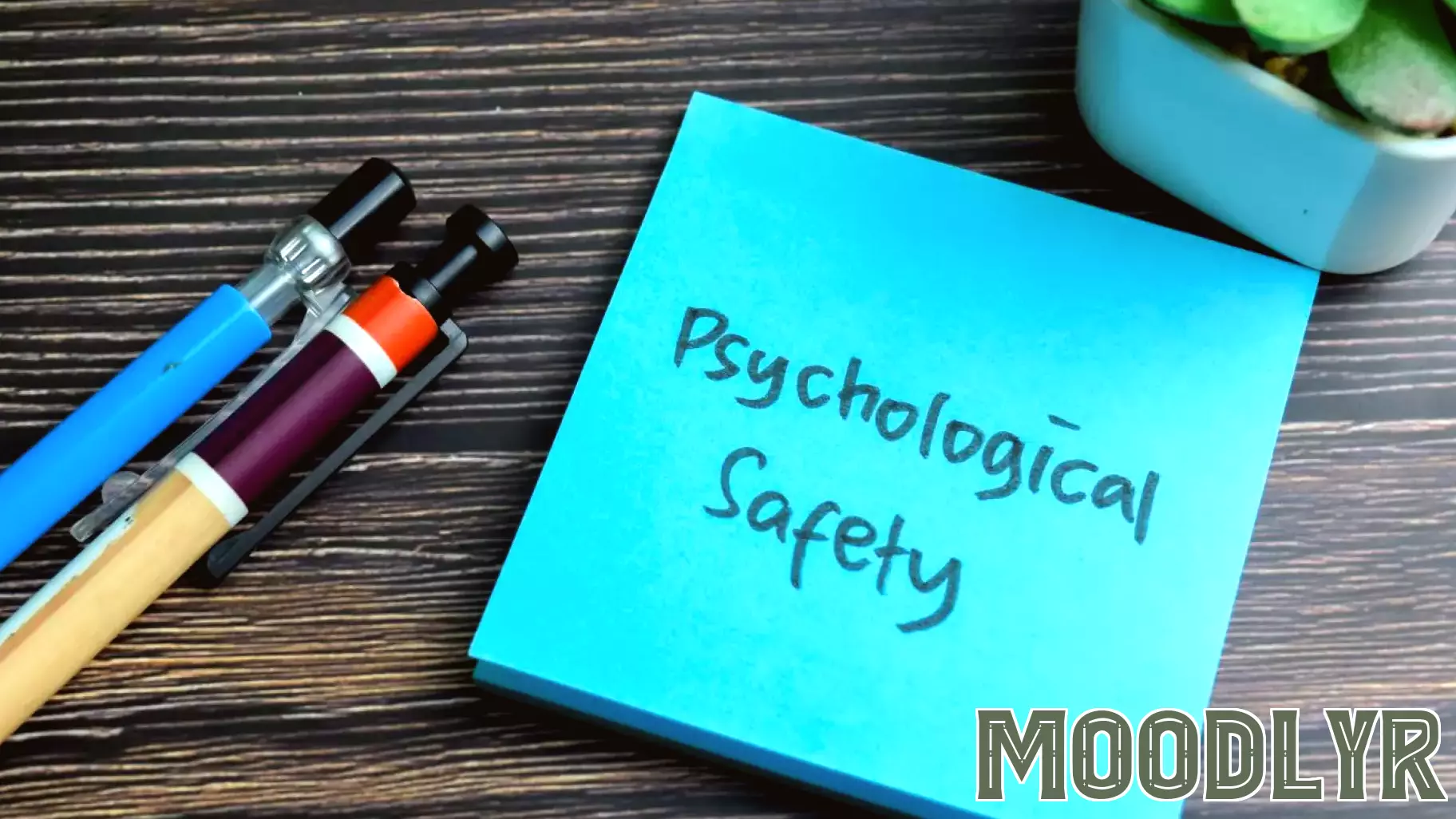
As artificial intelligence tools become standard in workplaces, a less obvious factor is determining which teams succeed and which ones fail. That factor is psychological safety -- the shared belief that team members can speak up, ask questions, and admit mistakes without fear of punishment or humiliation. In AI-enabled teams, this quality matters more than ever.
AI systems are not perfect. They hallucinate facts, reflect hidden biases, and sometimes produce results that look correct but are dangerously wrong. A team without psychological safety will likely accept those outputs without question. Junior employees may hesitate to challenge a machine's recommendation, and senior leaders might assume the algorithm knows better. This dynamic can lead to costly errors, especially in fields like healthcare, finance, or hiring.
When psychological safety is present, teams treat AI as a tool to be questioned, not a black box to be trusted. People feel comfortable raising concerns, testing edge cases, and flagging anomalies. This creates a culture where human judgment and machine efficiency work together rather than against each other. Innovation also depends on this safety net. Experimenting with AI often means trying things that fail. If failure is punished, teams stick to safe, predictable uses of AI and never discover its true potential.
Leaders who want to build AI-ready teams should focus less on technical training and more on how people interact. Encouraging open debate, rewarding curiosity, and modeling humility when the AI gets things wrong are practical steps. Without psychological safety, even the most advanced AI tools will be underused or misused. With it, teams can adapt, learn, and scale their judgment alongside the technology.
MORE NEWS
July 20, 2026 - 00:20
The American Psychological Association's Campus CrusadeA growing number of critics argue that the American Psychological Association has transformed from a scientific body into a political advocacy machine on college campuses. Rather than focusing on...

July 19, 2026 - 03:10
Building New Opportunities in Forensic Chemistry and Criminal Psychology - The Babak LabA research initiative known as the Babak Lab is carving out a distinct space at the intersection of hard science and human behavior. The lab is focused on expanding the practical applications of...

July 18, 2026 - 02:09
Psychology says people who ask a lot of questions while watching a movie aren't distracted: What this behaA new look at an old movie theater annoyance suggests that the person whispering questions in your ear might not be trying to ruin the film. According to recent psychological research, viewers who...

July 17, 2026 - 09:05
I'm WEIRD, it turns out, and so is almost everyone psychology has ever studied — a narrow twelve percent of humanity whose responses somehow came to stand in for everything we think we know about the human mindIt turns out I am WEIRD. That is not an insult, but a label psychologists use for a very specific group of people. WEIRD stands for Western, Educated, Industrialized, Rich, and Democratic. It...