Addressing Learning Disabilities and Mental Health in Teens
3 April 2026
When you think of your teenage years, what comes to mind? A whirlwind of emotions, awkward growth spurts, high school drama, and maybe the pressure of finding your place in the world? Now, imagine carrying all of that while quietly battling a learning disability or grappling with mental health challenges. Sounds overwhelming, right? For many teens today, that experience isn’t just imagination—it’s their reality.
Welcome to the complex, often misunderstood intersection of learning disabilities and mental health in teens. Let’s peel back the layers and dive into what’s really going on behind those tired eyes and missed homework assignments.
The Hidden Struggles Behind the Smile
Let’s be real—teenagers are experts at hiding stuff. Whether it's feelings, fears, or the fact that they bombed that math test again, they’ve got their poker faces on lockdown. But behind that “I’m fine” could be a teen struggling with dyslexia, ADHD, anxiety, or depression—and sometimes, all of that at once.Why Is This So Hard to Spot?
Well, for starters, learning disabilities don’t have a look. A teen with dyscalculia won’t walk around with a neon sign saying, “Numbers freak me out.” And mental health issues? They’re even sneakier. A student could be the class clown, making everyone laugh, while on the inside, they're falling apart.Both conditions often mask each other. A teen who’s falling behind might be labeled as lazy or distracted. What you might not see is the anxiety that wakes them up at 3 a.m. the night before an exam—or the emotional meltdown that happened in the bathroom stall.
Learning Disabilities: More Than Just Falling Behind in Class
When we say “learning disability,” people often think of the stereotypical kid who struggles with reading or can’t sit still in class. But it’s way more layered than that.The Common Learning Disabilities in Teens
- Dyslexia – Trouble with reading, spelling, and writing. But don’t be fooled—these teens are often incredibly creative thinkers.- Dyscalculia – Math’s worst nightmare. Think confusion with numbers, even basic addition.
- Dysgraphia – Writing is tough. Not just spelling, but organizing ideas and forming letters.
- ADHD – Often misinterpreted as just being “hyper,” but it affects focus, impulse control, and emotional regulation.
Now, don’t get these mixed up with low intelligence. These kids are smart. Their brains just process information differently. It’s like trying to watch a movie with bad subtitles—you get the plot, but it’s exhausting.
Mental Health: The Storm Beneath the Surface
Mental health in teens is already a fragile topic. Add a learning disability, and the stress multiplies.The Emotional Domino Effect
Here’s how it often plays out: A student with untreated ADHD misses instructions → falls behind in class → gets scolded → feels ashamed → starts isolating → anxiety creeps in → and boom—now, they’re also dealing with depression.It’s a brutal cycle that keeps feeding into itself.
The Most Common Mental Health Struggles in Teens
- Anxiety disorders – Chronic worry that affects sleep, attention, and social life.- Depression – Persistent sadness, low energy, disinterest in things that once mattered.
- Low self-esteem – Teens start believing they’re “stupid” or “lazy.”
- Behavioral issues – Acting out might be a mask for internal chaos.
And the worst part? Many teens don’t even realize they’re struggling. They just know something feels wrong.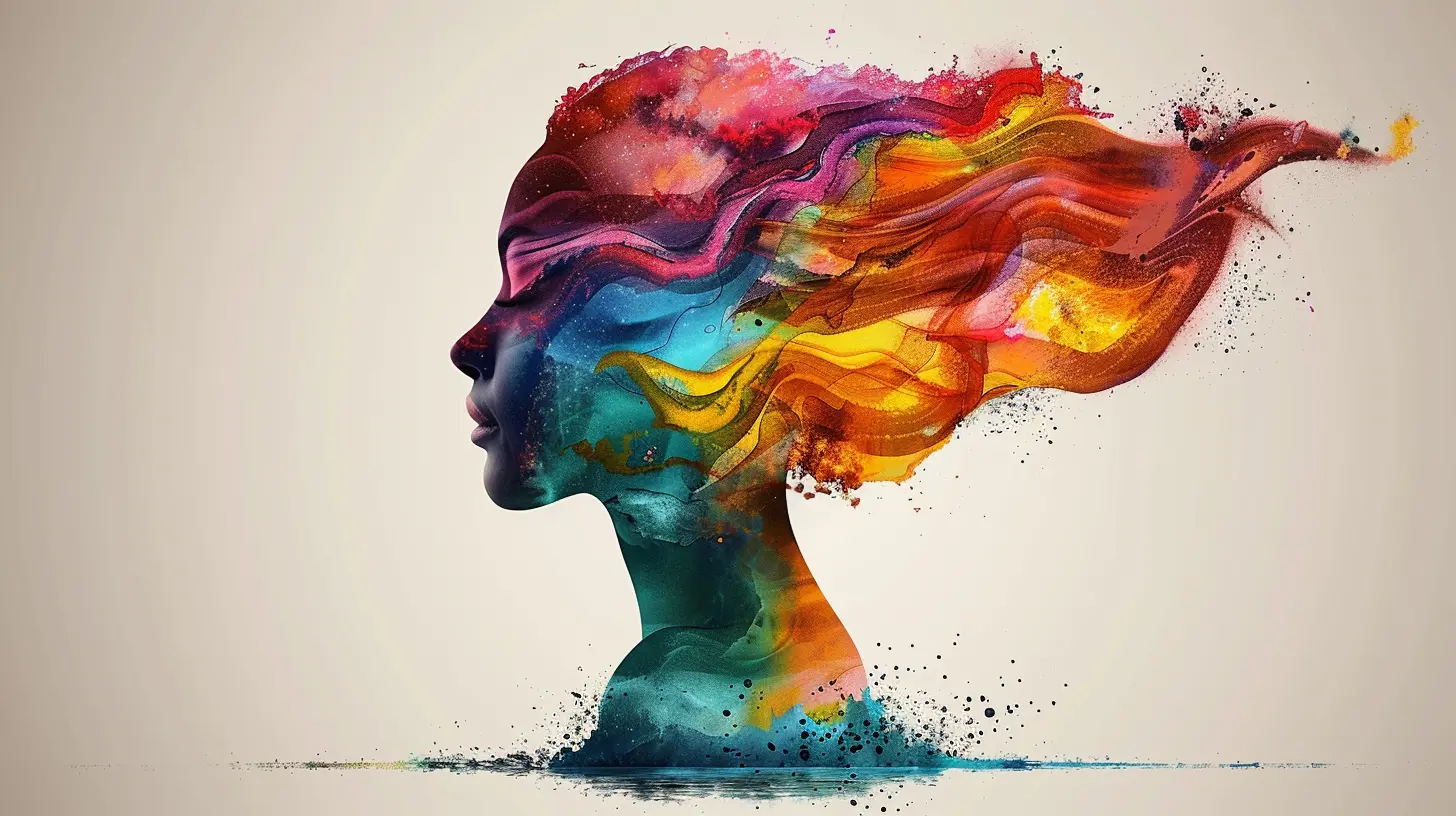
The Dangerous Myths That Need Busting
Let’s go ahead and slay a few myths while we’re here:Myth #1: “They’re just not trying hard enough.”
Newsflash: Most teens with learning disabilities are trying ten times harder than their peers. They're just not getting the results because the system isn’t built for their brains.Myth #2: “They’ll grow out of it.”
Some kids do learn coping strategies as they grow older, but many challenges carry into adulthood. Ignoring them doesn’t make them disappear—it just makes them harder to treat.Myth #3: “Therapy is for crazy people.”
This one’s outdated and damaging. Therapy is like a gym for your brain. Everyone could benefit, especially teens navigating a whole mental obstacle course daily.Spotting the Warning Signs (Before It’s Too Late)
So, how do you know if a teen in your life is silently screaming for help?Here are a few red flags to watch for:
- Sudden drop in grades
- Avoidance of school altogether
- Changes in sleep or eating habits
- Isolation from friends or family
- Frequent headaches or stomachaches (yep, stress can go physical)
- Emotional outbursts or constant fatigue
- Talking about being “stupid” or “worthless”
If several of these are hitting home, don’t ignore them. It could be more than just a rough patch.
The Role of Schools: Part of the Solution or the Problem?
Let’s have an honest chat. Schools are supposed to be safe spaces, but for teens with learning disabilities, they can feel like battlefields.What's Missing?
- Undertrained teachers – Not all educators are equipped to spot or support learning disabilities.- Rigid curriculum – One size does not fit all when it comes to learning styles.
- Inconsistent support services – Some schools have amazing special ed programs; others, not so much.
But here’s the twist: With the right changes, schools can also become powerful allies.
What Can Help?
- IEPs and 504 plans – These create personalized learning strategies.- Mental health counselors on-site – Crucial for early intervention.
- Peer mentoring programs – Teens helping teens can create empathy and connection.
- Flexible teaching methods – Think visual aids, tech tools, and project-based assessments.
How Parents Can Become Game Changers
If you’re a parent, you’re probably wondering: “Okay, what the heck can I do?”First—breathe. Then, try this:
1. Listen Without Judgement
Teenagers want to be heard, not fixed. Ask how they’re feeling and really listen—no lectures, no eye-rolls.2. Watch the Patterns
Keep track of behaviors over time. That daily “I hate school” may not be about laziness—it could be linked to undiagnosed issues.3. Seek Professional Help
Psychologists, educational therapists, and pediatricians can assess both learning disabilities and mental health concerns. Don’t try to diagnose at home—this isn’t WebMD.4. Advocate Relentlessly
Whether it’s battling for an IEP or demanding better accommodations, don’t be afraid to be that parent. Your teen needs someone in their corner.Empowering Teens to Take Ownership
Here’s something often overlooked—teens can be part of their own solution.Help Them Understand Their Brain
Labeling a learning disability isn’t a punishment; it’s a passport to understanding. The more they know about how their brain works, the better they can navigate it.Encourage Healthy Habits
Regular sleep, balanced meals, movement, mindfulness—these aren’t just wellness buzzwords. They're mental health lifelines.Normalize Asking for Help
Make “seeing a therapist” as normal as “going to the dentist.” The stigma only sticks if we let it.A Final Word: The Strength in Struggle
Here’s the twist in all this darkness—there’s light. Teens who face these challenges often grow into resilient, compassionate, wildly creative adults. Their struggles forge strengths that textbooks can’t teach.Think about it. Learning differently isn’t a flaw—it’s just a different operating system. And mental health issues? They don’t define a person—they just reveal what needs healing.
So, if you’re a parent, teacher, counselor, or a teen reading this—you’re not alone. Help is out there. Understanding is growing. And with the right support?
These teens won’t just survive.
They’ll thrive.
all images in this post were generated using AI tools
Category:
Mental Health In AdolescenceAuthor:

Nina Reilly
Discussion
rate this article
2 comments
Kirk Becker
Intriguing connections! How can we better support these teens?
April 18, 2026 at 4:18 PM
Nina Reilly
We can better support teens by fostering open communication, providing tailored resources, and encouraging collaboration among parents, educators, and mental health professionals.
Zorina Strickland
Thank you for addressing the critical intersection of learning disabilities and mental health in teens. Your insights shed light on an often overlooked issue, highlighting the importance of comprehensive support for affected individuals.
April 6, 2026 at 4:44 PM
Nina Reilly
Thank you for your thoughtful comment! I'm glad the article resonated with you and helped spotlight this important issue.