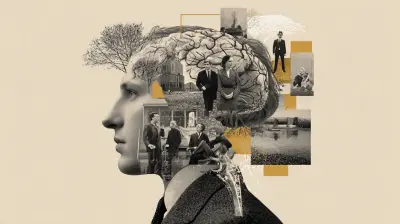
Can Fear Be a Positive Motivator?
8 August 2026
Fear is a powerful emotion. It can paralyze us, make us doubt ourselves, and even prevent us from taking action. But is fear always a bad thing? What if, instead of allowing fear to control us, we used it as a tool for motivation?
Many people think of fear as something negative—something we should eliminate or suppress. However, fear can actually serve as a powerful motivator. In some cases, it pushes us to take action, stay focused, and strive for success. But how does that work? And when does fear inspire rather than hinder? Let’s break it down.

Understanding Fear: Friend or Foe?
Before we dive into whether fear can be a positive motivator, let’s take a moment to understand what fear really is.Fear is the body’s natural response to danger. It triggers the "fight-or-flight" reaction, releasing adrenaline and heightening our senses. This reaction has helped humans survive for thousands of years—whether escaping predators or reacting quickly to threats.
In modern life, fear isn’t always about physical danger. It can stem from work deadlines, public speaking, or making difficult life decisions. While these fears aren’t life-threatening, they still trigger emotional and physical responses.
So, is fear a friend or foe? The answer is: it depends on how we handle it.

When Fear Becomes a Positive Force
Fear doesn’t always have to be crippling. In fact, in the right situations, it can be a driving force that pushes us past our comfort zones. Let’s look at a few ways fear can actually be beneficial.Fear Keeps Us Alert and Focused
Ever noticed how fear sharpens your focus? Imagine you have an important presentation at work. The fear of failing or embarrassing yourself makes you prepare more thoroughly, ensuring you do your best.Fear creates a sense of urgency, helping us pay attention to details and stay alert. It prevents complacency and pushes us to perform at our highest level.
Fear Encourages Growth
We often grow the most when we step outside our comfort zones. Fear forces us to challenge ourselves, try new things, and push past self-imposed limits. Whether it’s applying for a new job, starting a business, or finally addressing a personal challenge, fear nudges us toward opportunities for growth.Think about it—many of life’s greatest achievements come from moments of fear. The key is not letting fear stop us but using it as a catalyst for action.
Fear Drives Preparation and Resilience
Athletes, performers, and successful professionals often use fear to their advantage. They don’t ignore it; they prepare because of it.Fear of failing an exam? It pushes you to study harder. Fear of messing up a performance? It motivates you to practice relentlessly.
When we channel fear correctly, it drives us to prepare, practice, and persist. Instead of letting fear hold us back, we can use it to fuel our determination.
Fear Protects Us from Recklessness
Fear also plays a role in keeping us safe. It’s that inner voice telling us not to drive too fast, not to trust someone suspicious, or not to take unnecessary risks. In this way, fear isn’t just a motivator—it’s a form of wisdom guiding us toward better decisions.
When Fear Becomes a Negative Force
Of course, not all fear is beneficial. If left unchecked, fear can be overwhelming, leading to anxiety, stress, and avoidance behaviors. Here are a few instances where fear does more harm than good:Fear That Paralyzes
Sometimes, fear can be so intense that it prevents us from taking action. Instead of motivating us, it immobilizes us. This can happen with fear of failure, fear of rejection, or fear of the unknown.For example, someone who wants to start a business might be so afraid of failure that they never even try. In these cases, fear doesn’t protect—it limits potential.
Fear That Increases Stress and Anxiety
While a little fear can be helpful, too much of it can lead to chronic stress and anxiety. Overthinking worst-case scenarios, constantly worrying, or avoiding situations because of fear can negatively impact mental and physical health.When fear becomes overwhelming, it’s no longer a motivator—it’s a roadblock to happiness and well-being.
Fear That Leads to Avoidance
Fear can sometimes make us avoid difficult situations rather than confronting them. Avoiding challenges might feel safe, but in the long run, it only reinforces fear and limits growth.For example, if someone is afraid of public speaking and avoids every opportunity to present, their fear only grows stronger. Facing fears, even in small steps, is crucial for overcoming them.

How to Use Fear as a Positive Motivator
Now that we know fear can be both helpful and harmful, how can we make sure we’re using it in a way that benefits us? Here are some practical steps:1. Reframe Fear as Excitement
Instead of seeing fear as something negative, try reframing it as excitement. Physiologically, fear and excitement trigger similar reactions in the body—racing heart, heightened alertness, and energy. When you start viewing fear as a sign of upcoming opportunity rather than impending doom, it becomes a lot easier to embrace.2. Face Your Fears Gradually
If fear is holding you back, face it in small, manageable steps. For example, if you’re scared of public speaking, start by speaking in front of a small group of friends. Then, gradually work your way up. Exposure helps reduce fear over time.3. Use Fear as a Reminder to Prepare
Instead of letting fear overwhelm you, use it as a signal to get ready. If you’re scared of failing a test, let that fear push you to study harder. If you’re nervous about a presentation, let it drive you to rehearse more. Fear, when channeled correctly, can be a source of motivation.4. Challenge Negative Thoughts
Fear often comes from negative self-talk—thoughts like "I’m not good enough" or "I’m going to fail." Challenge these thoughts by reminding yourself of times you’ve succeeded before. Instead of dwelling on what could go wrong, focus on what you can control.5. Accept That Fear Is Normal
Fear isn’t something to eliminate—it’s something to understand and work with. The most successful people in the world experience fear; they just don’t let it stop them. Accepting fear as a natural part of life makes it easier to navigate.Conclusion
So, can fear be a positive motivator? Absolutely! When used correctly, fear can sharpen our focus, encourage growth, and push us toward our goals. It’s all about how we respond to it.Rather than running from fear, we should learn to harness its power. After all, bravery isn’t the absence of fear; it’s taking action despite it.
So the next time you feel afraid, ask yourself: Is this fear here to stop me, or is it here to push me forward? The choice is yours.
all images in this post were generated using AI tools
Category:
Psychology Of FearAuthor:

Nina Reilly