The Role of Cognitive Schemas in Shaping Our Worldview
4 May 2026
Ever stopped to wonder why you see the world the way you do? Why some people seem to embrace change, while others resist it with every fiber of their being? Or why that friend of yours always assumes the worst, even when things are going fine? Well, a lot of that can be traced back to something called cognitive schemas.
Schemas are the mental blueprints we use to interpret the world around us. They help us make sense of experiences, people, and events. But — and here's the kicker — they can also distort reality, keep us stuck, and sometimes even sabotage our happiness.
In this article, we're going to break it all down. We'll talk about what cognitive schemas are, how they’re formed, how they influence your thoughts and behavior, and why understanding them can be a total game changer for your mental health and personal growth.
What Are Cognitive Schemas, Anyway?
Let’s start with the basics. A cognitive schema is essentially a mental framework — think of it like a filter or lens — through which we interpret information. Imagine you’re wearing sunglasses with colored lenses. Everything you see is tinted by the color of those lenses — that’s what a schema does to your thoughts and perceptions.Schemas are developed over time, shaped by your early experiences, culture, upbringing, and environment. They guide how you process new information, how you feel about things, and even how you react. It’s like having a mental shortcut or script for how the world should work.
How Schemas Are Formed
So where do these mental filters come from? Well, it all starts in childhood. From the moment you're born, your brain starts soaking up experiences like a sponge. The patterns you see over and over — how your parents treat you, what school is like, how you're rewarded or punished — all these start forming mental categories.Let’s say you grew up in a loving, stable home. You might develop schemas that the world is a safe place, people are trustworthy, and relationships are secure. On the flip side, if your early experiences were full of chaos or neglect, you might form schemas that people can’t be trusted, or that you're unworthy of love.
These early blueprints become the foundation for how we interpret future experiences — whether they match up or not.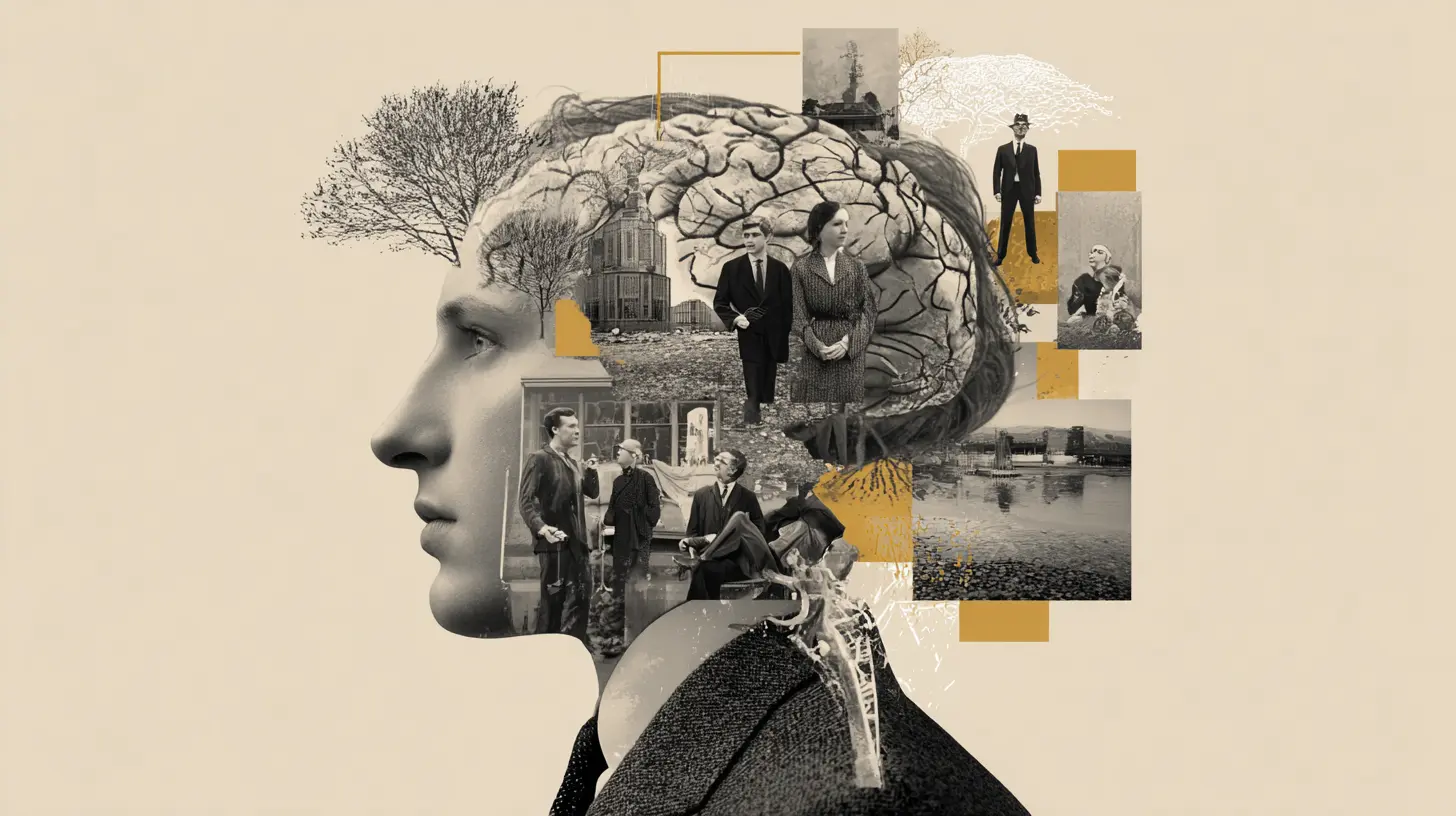
Types of Cognitive Schemas
There are all kinds of schemas, and they can be about anything — yourself, other people, relationships, success, failure, even the meaning of life. Here are a few common types:1. Self-Schemas
This one’s all about how you see yourself. Are you competent, lovable, strong… or maybe inadequate, flawed, or unworthy? These beliefs guide your self-esteem, confidence, and the way you present yourself to the world.2. Social Schemas
These deal with your expectations of others. Do you believe people are generally good, helpful, honest? Or do you assume others are out to get you, untrustworthy, judgmental?3. Worldview Schemas
These are your core beliefs about the world at large. Is the world a safe or dangerous place? Fair or unjust? Full of opportunity or stacked against you?4. Event Schemas (Scripts)
Event schemas help you predict what will happen in a given situation. Ever walk into a restaurant and just know you’re supposed to wait to be seated? That’s an event schema at work.
How Cognitive Schemas Shape Our Worldview
Now here’s where it gets really interesting. Our schemas don’t just sit in the background. They actively shape how we see, think, and feel about everything around us. They influence what we notice, what we ignore, and what we prioritize.Let me paint you a picture.
Imagine two people walking down the same street. One grew up in a safe suburban neighborhood and has a schema that people are friendly. The other grew up in a high-crime area and has a schema that people are dangerous.
They pass a man sitting on a bench wearing a hoodie. The first person might think, “He looks relaxed—probably enjoying the weather.” The second might think, “Why's he sitting like that? Is he hiding something?”
Same situation. Two totally different interpretations. Why? Because their schemas are coloring their perceptions.
Schema-Driven Thinking – Helpful or Harmful?
Schemas aren’t all bad. In fact, we’d be a complete mess without them. They help us function. They let us make decisions quickly, navigate social situations, and avoid danger. They're kind of like mental autopilot.But here’s the catch: schemas aren’t always accurate. Sometimes they’re overly rigid, outdated, or based on faulty experiences. When that happens, they warp our view of reality. And we don’t even realize it.
A person with a “failure schema” might give up before they even try, convinced they’ll never succeed. Someone with a “mistrust schema” might push people away, even those who care about them. The danger isn’t just in the thought — it’s in how deeply we believe it’s true.
Schema Activation and Triggers
Schemas are often subconscious. You don’t know they’re there — until something triggers them.Let’s say you have a schema that you're not good enough. You’re giving a presentation, and someone in the audience yawns. Your brain doesn’t think, “Oh, maybe they didn’t sleep well.” It jumps straight into, “I’m boring. I knew this would happen. I suck at this.”
That yawn activated your existing schema. And because schemas are like magnets for matching information, your brain only focuses on the stuff that "proves" the schema right — ignoring everything else.
The Role of Core Beliefs
At the heart of every schema is a core belief — a deep, often unspoken conviction about yourself, others, or the world.These beliefs don’t always make sense logically. They’re emotional, not rational. But they feel real. That’s what makes them so powerful.
Core beliefs are usually formed early and reinforced over time. And once they're set, your brain starts filtering everything through them. It’s like having a biased judge in your head, ruling in favor of the same verdict over and over.
Cognitive Bias and Schema Reinforcement
Schemas don’t just lie dormant. They actively look for proof they’re right. This is where cognitive biases sneak in — especially confirmation bias.If you believe you’re unattractive, you’ll dismiss compliments and zero in on criticism. If you think the world is dangerous, you’ll notice every negative news story and overlook the good.
This constant reinforcement keeps the schema alive, even when reality says otherwise.
Can Schemas Be Changed?
Absolutely — but not overnight. Changing a schema means challenging the core beliefs behind it. That takes time, effort, and often a bit of help.Here’s how it typically works:
1. Awareness
You can’t change what you don’t know is there. Start paying attention to your automatic thoughts. What do you tell yourself when things go wrong? What patterns keep showing up? That’s where your schemas live.2. Identify the Core Belief
Dig deeper. What belief is driving this thought? "I'm going to fail" might come from "I'm not competent" or "I'm not good enough."3. Challenge the Evidence
Ask yourself: What’s the evidence for and against this belief? Is it really true, or just something I’ve always assumed?4. Create New Experiences
You can’t just think your way out of a schema — you have to experience something different. Take small, safe steps outside your comfort zone. Let yourself succeed. Let someone in. Start creating new reference points.5. Reinforce and Repeat
Like rewiring a path in the brain, consistency is key. The more you challenge the old schema and reinforce the new one, the weaker the old patterns become.Therapy and Schema Work
If your schemas are deep-rooted and causing real distress, therapy can be a huge help. Cognitive Behavioral Therapy (CBT) or Schema Therapy are especially effective.Schema Therapy, in particular, goes deep. It helps you uncover those early life experiences that shaped your schemas and provides tools to challenge and reframe them. It’s not just about fixing thoughts — it’s about healing on a deeper emotional level.
Real-Life Impact of Schema Change
Changing a schema can literally change your life. Imagine going from…- “I’m unlovable” → “I’m worthy of love and connection.”
- “People will hurt me” → “Some people are safe. I can choose who I let in.”
- “I always fail” → “I can succeed, especially when I give myself a real chance.”
These aren’t just words — they’re freedom. When you start shifting your schemas, the entire way you engage with the world transforms.
Final Thoughts
Cognitive schemas are like the invisible architecture of our minds. They quietly shape how we see the world, how we feel about ourselves, and how we interact with others. Sometimes they help us. Sometimes they trap us in old patterns that no longer serve us.But the good news? Once you learn how to spot your schemas and dig into the beliefs behind them, you can start rewriting the story. And that’s where real growth begins.
So, next time you catch yourself reacting in a way that feels automatic, pause. Ask: “What story am I telling myself right now? And is it actually true?”
That tiny moment of curiosity? It’s your first step toward freedom.
all images in this post were generated using AI tools
Category:
Psychological TheoriesAuthor:

Nina Reilly
Discussion
rate this article
1 comments
Weston Rocha
Cognitive schemas: like mental shortcuts that sometimes lead us to the wrong pizza place... or worse!
May 15, 2026 at 3:41 PM
Nina Reilly
That's a great analogy! Cognitive schemas can definitely steer us off course, just like picking the wrong pizza place can lead to disappointment.