The Impact of Bullying on Teenage Mental Health
8 January 2026
Bullying. Just hearing the word can stir up a whirlwind of emotions, right? It’s something that many of us are familiar with, whether we’ve experienced it firsthand, witnessed it, or heard stories about it. But while bullying is often brushed off as a "normal" part of growing up, it can leave deep scars, especially when it comes to teenage mental health.
So, let’s dive in and explore how bullying really affects teens mentally. Spoiler alert: It’s not pretty.

What Is Bullying?
Before we get into its effects, let’s talk about what bullying actually is. Bullying isn’t just about pushing someone in the hallway or calling someone a name (although those are definitely part of it). It’s repeated, intentional harm — whether physical, verbal, or emotional — directed at someone who feels powerless to stop it.Bullying can take on many forms, such as:
- Physical bullying: Hitting, kicking, pushing
- Verbal bullying: Name-calling, insults, threats
- Relational bullying: Spreading rumors, social exclusion
- Cyberbullying: Harassment via digital platforms like social media, texts, or emails
While all of these forms are damaging, cyberbullying has become especially prominent, thanks to the internet's pervasive role in our lives. It means bullying no longer stops when kids leave school. Now, it can follow them home, 24/7.
But regardless of the form, bullying can have serious consequences, especially during the tumultuous teenage years.

Why Are Teenagers More Vulnerable?
Adolescence is already a rollercoaster of emotions, hormones, and identity struggles. Teens are in the process of figuring out who they are, while also trying to fit in with their peers. It’s a time when friendships, social status, and acceptance seem like the most important things in the world.Now, imagine trying to navigate all that while being constantly bullied. It’s like trying to swim with a backpack full of bricks, right?
Teenagers are more emotionally sensitive than adults, and they’re still developing the skills to handle complex emotions. When they're bullied, they often internalize the negative messages, leading to a range of mental health issues that can have lasting effects.

The Mental Health Effects of Bullying
1. Anxiety and Fear
One of the most common effects of bullying is anxiety. Teens who are bullied often live in constant fear of when the next attack will happen — whether it's a cruel comment on social media or a shove in the hallway.This constant state of fear can lead to:
- Panic attacks
- Difficulty concentrating
- Trouble sleeping
- Avoidance of certain places or people
It’s a lot like living in a war zone. The brain becomes hyper-aware, always on the lookout for danger, which takes a massive toll on mental health.
2. Depression
Bullying doesn’t just make teens sad; it can actually lead to clinical depression. The relentless negativity can cause teens to feel hopeless, powerless, and worthless. Over time, these feelings can spiral into a deep depression.Depression in teens often looks like:
- Loss of interest in activities they once enjoyed
- Withdrawal from family and friends
- Changes in eating or sleeping habits
- Irritability or moodiness
- Low energy and motivation
Depression isn’t something that just goes away on its own. Left untreated, it can seriously impact a teen's ability to function in school, at home, and in their social life.
3. Low Self-Esteem and Self-Worth
Bullying can chip away at a teen’s self-esteem like a relentless woodpecker. Over time, the negative comments and actions can cause teens to believe the terrible things being said about them. They might start to think:- “Maybe I am worthless.”
- “Maybe I don’t deserve friends.”
- “Maybe I really am ugly/stupid/useless.”
This type of thinking can lead to long-term issues with self-worth and self-confidence. And sadly, these negative beliefs can follow them into adulthood.
4. Social Isolation
Teens who are bullied often feel like they don’t belong. They might withdraw from their peers or avoid social situations altogether just to escape the possibility of being bullied.But here’s the catch-22: social isolation can make things worse. Without a support system of friends or trusted adults, bullied teens don’t have anyone to turn to when things get tough. Loneliness can amplify feelings of depression and anxiety, creating a vicious cycle that’s hard to break.
5. Post-Traumatic Stress Disorder (PTSD)
We usually associate PTSD with soldiers returning from combat, but the truth is, anyone who experiences prolonged trauma — like bullying — can develop PTSD. Symptoms of PTSD in teens can include:- Flashbacks of the bullying incidents
- Nightmares or trouble sleeping
- Emotional numbness
- Irritability or angry outbursts
- Avoiding anything that reminds them of the bullying
For some teens, the trauma of bullying doesn’t just disappear when the bullying stops. It can stick with them, affecting their mental health for years to come.
6. Self-Harm and Suicidal Thoughts
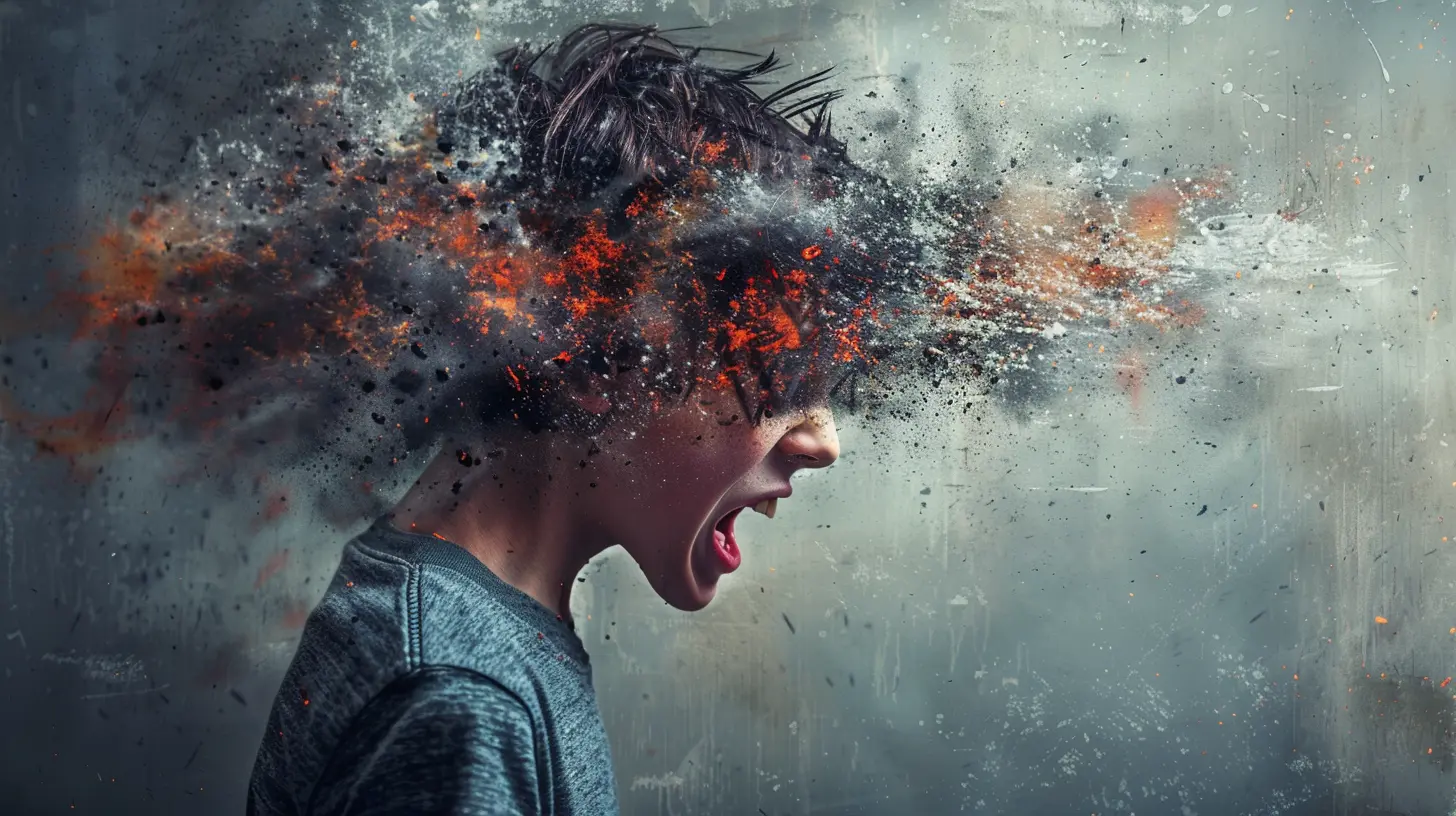
One of the most heartbreaking effects of bullying is that it can push teens to hurt themselves. Some teens turn to self-harm as a way to cope with the emotional pain. Others may begin to have suicidal thoughts, feeling like ending their life is the only way to escape the torment.It’s critical to understand that bullying isn’t just “kids being kids.” It can lead to real, life-threatening consequences. If a teen is showing signs of self-harm or suicidal thoughts, it’s essential to seek professional help immediately.
Cyberbullying: The Hidden Threat
With the rise of social media, cyberbullying has become a game-changer. Unlike traditional bullying, which might end once the school bell rings, cyberbullying can follow teens anywhere — into their homes, late at night, and into every corner of their digital lives.What makes cyberbullying especially dangerous? For one, it’s often anonymous. Bullies can hide behind screen names, making it harder for victims to know who’s targeting them. Plus, rumors, insults, or embarrassing photos can spread like wildfire online, reaching hundreds or even thousands of people in a matter of minutes.
The constant online presence makes it difficult for teens to escape the bullying. It’s like being trapped in a room where the insults and taunts never stop. And the effects can be just as devastating as in-person bullying, if not worse.
How Can We Combat the Impact of Bullying on Teen Mental Health?
It’s clear that bullying can have a significant impact on a teenager’s mental health, but the good news is that there are ways to reduce these effects and offer support.1. Open Communication
One of the most important things parents, teachers, and friends can do is encourage open communication. Teens need to feel like they can talk about what’s happening without being judged or dismissed. If a teen feels comfortable sharing their experiences, it’s easier to intervene and offer support.2. Mental Health Support
Professional help is often necessary to address the mental health issues caused by bullying. Therapists can work with teens to develop coping strategies, rebuild self-esteem, and manage symptoms of anxiety or depression.In severe cases, medication might be part of the treatment plan, but therapy is often the first line of defense.
3. Teach Resilience and Coping Skills
Building resilience doesn’t mean teaching teens to “toughen up” or ignore bullying. Rather, it’s about helping them develop healthy coping mechanisms so they can manage their emotions and navigate difficult situations. Mindfulness, deep breathing exercises, and talking to trusted adults are all strategies that can help teens manage the stress and anxiety caused by bullying.4. Promote Kindness and Inclusivity
Schools and communities can play a crucial role in preventing bullying by promoting an environment of kindness, respect, and inclusivity. Anti-bullying programs, peer support groups, and campaigns that educate students about the impact of bullying can help shift the culture and make it clear that bullying is never acceptable.5. Monitor Online Activity
As cyberbullying continues to be a growing concern, it’s essential that parents and guardians stay aware of what’s happening in their teens’ digital lives. Monitoring social media usage, keeping an open dialogue about what’s happening online, and knowing the signs of cyberbullying can make a big difference in protecting teens.
Final Thoughts
Bullying is more than just a phase or part of growing up — it’s a serious issue that can leave lasting scars on a teen's mental health. Whether it’s anxiety, depression, or even suicidal thoughts, the effects of bullying are real and profound.But it’s not all doom and gloom. By fostering open communication, offering mental health support, and promoting kindness, we can help teens navigate these challenges and come out stronger on the other side.
So, let’s keep the conversation going. Let’s create environments where teens feel safe, heard, and supported. Because no one, especially not a teenager, should have to face bullying alone.
all images in this post were generated using AI tools
Category:
Mental Health In AdolescenceAuthor:

Nina Reilly
Discussion
rate this article
2 comments
Sasha Duffy
Bullying is a silent storm, eroding the mental health of countless teens. It's not just a rite of passage; it's a profound trauma that shapes futures. We must recognize the signs, foster empathy, and cultivate resilience, ensuring our youth emerge not as victims, but as empowered survivors.
February 3, 2026 at 3:53 PM
Nina Reilly
Absolutely. Your perspective highlights the critical need for awareness and support. We must take action to empower our youth and create a more compassionate environment.
Caelestis McMurtry
Thank you for shedding light on such an important issue. Bullying can leave deep emotional scars, affecting mental health in profound ways. It's crucial for us to foster understanding and support for those who struggle, ensuring they know they're not alone and that healing is possible.
January 18, 2026 at 5:05 PM
Nina Reilly
Thank you for highlighting the importance of compassion and support in addressing the effects of bullying. Together, we can make a difference.