The Neuroscience Behind Psychological Safety: What Happens in the Brain?
13 April 2026
Psychological safety—it's one of those buzzwords that keeps popping up in workplace discussions. But what does it really mean? And why does it matter so much?
At its core, psychological safety is about feeling safe to speak up, take risks, and express ideas without the fear of humiliation or punishment. It’s the secret ingredient behind innovation, collaboration, and high-performing teams. But here’s the real kicker—it’s not just a workplace concept. It’s deeply rooted in our biology, shaped by the very way our brains are wired.
So, what happens inside our brains when we feel psychologically safe? And what’s the science behind it? Let’s dive into the fascinating world of neuroscience to find out. 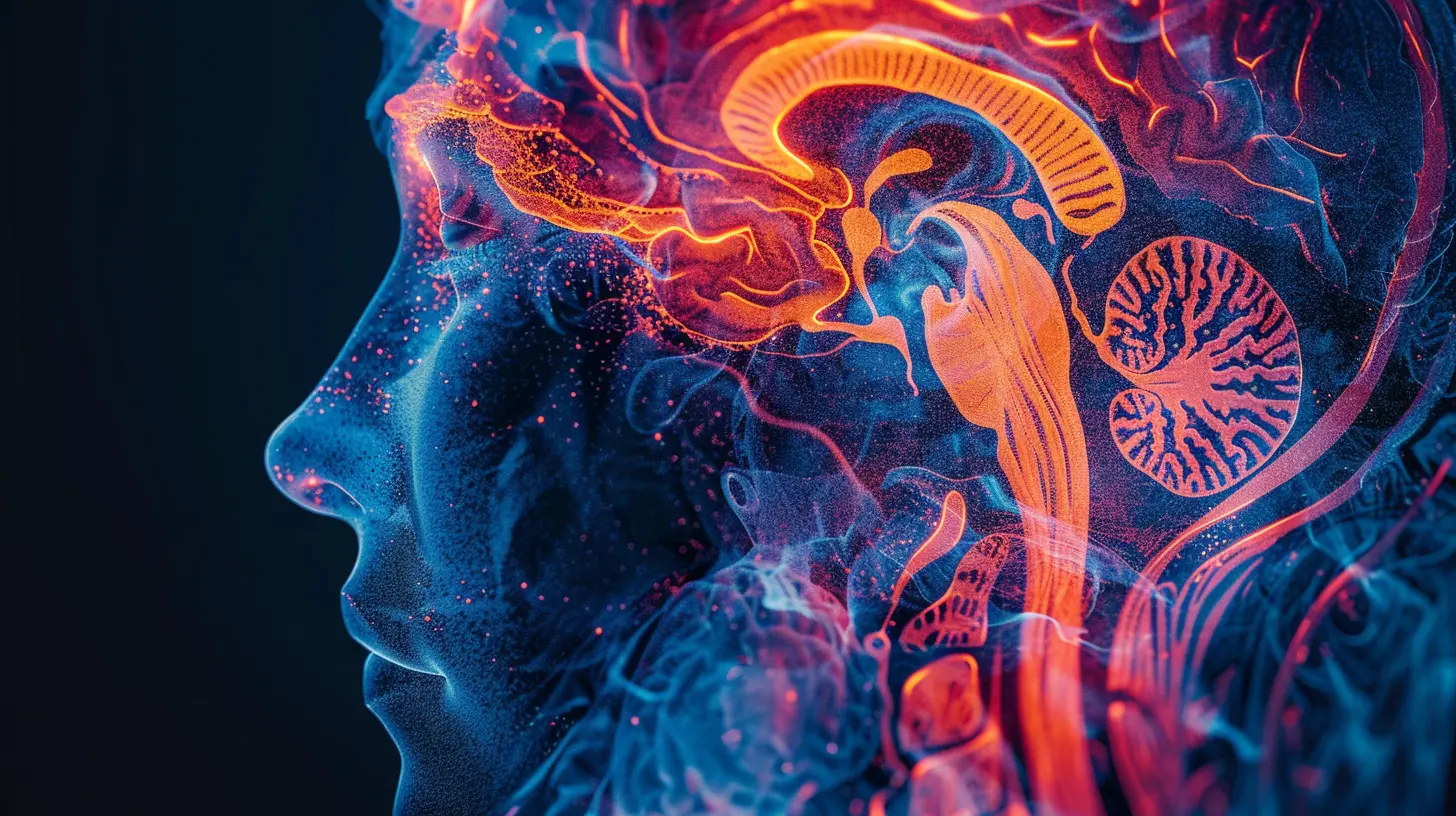
What Is Psychological Safety?
Before we get into the brain science behind it, let's clarify what psychological safety actually means. The term was coined by Harvard professor Amy Edmondson, who defined it as:> “A shared belief that the team is safe for interpersonal risk-taking.”
In other words, it's the confidence that you can voice your thoughts, ask questions, admit mistakes, and offer feedback without fearing backlash. Imagine being in a meeting where you have a great idea, but you hesitate to share it because you’re afraid of looking foolish. That’s what lack of psychological safety feels like—and it stifles creativity and growth. 
The Brain’s Role in Psychological Safety
The brain is like a security system, constantly scanning the environment for threats and rewards. When it detects safety, we relax and engage. But when it perceives danger—even social threats—it shifts into survival mode.Let's break down the specific brain regions involved in psychological safety.
1. The Amygdala – The Brain’s "Alarm System"
The amygdala is a small, almond-shaped structure buried deep in the brain. It’s responsible for processing threats and triggering the fight, flight, or freeze response.- When we feel unsafe—socially, emotionally, or physically—the amygdala hijacks the brain.
- It sends stress signals, releasing cortisol (the stress hormone), making us anxious and on edge.
- This reaction helped our ancestors survive life-or-death threats, but in a modern workplace, it just makes us disengage and hold back our thoughts.
On the other hand, when we feel safe, the amygdala remains calm, and we can think clearly, take risks, and communicate openly.
2. The Prefrontal Cortex – The Logic and Innovation Hub
The prefrontal cortex (PFC) is the rational, problem-solving part of the brain. It’s responsible for:✅ Logical thinking
✅ Creativity
✅ Decision-making
✅ Social behavior
However, stress and fear shut it down. When the amygdala senses danger, it essentially hijacks the prefrontal cortex, making it difficult to think clearly or come up with new ideas.
The less psychological safety we feel, the harder it is to be innovative and collaborative. But when we feel secure, the PFC flourishes, allowing us to engage, think critically, and create freely.
3. The Brain’s Reward System – Releasing Dopamine and Oxytocin
Thankfully, our brains don’t just focus on threats—they also seek rewards. Two key chemicals play a big role in psychological safety:- Dopamine – The “feel-good” neurotransmitter. It’s released when we experience success, appreciation, or connection. A psychologically safe environment triggers dopamine, making us more engaged and motivated.
- Oxytocin – Often called the "bonding hormone," oxytocin strengthens social trust and connection. When we feel emotionally supported, our oxytocin levels rise, making us more willing to collaborate and take risks.
In a safe and supportive atmosphere, these brain chemicals create a loop of trust, motivation, and creativity. 
The Impact of Psychological Safety on Stress and Performance
Stress and safety exist on opposite ends of the spectrum. The more threatened we feel, the more stress chemicals flood our system, impairing judgment, decision-making, and communication.Think about the last time you were in a high-stakes meeting where criticism was harsh. You probably felt tense, hesitant to speak, and maybe even mentally checked out. That’s the brain's stress response in action.
Now imagine being in a meeting where:
✔ Your ideas are valued.
✔ Mistakes are seen as opportunities to learn.
✔ You feel comfortable asking questions.
Which environment would you thrive in? Obviously, the latter! That’s because psychological safety reduces stress responses, allowing the brain to function at its best. 
How to Cultivate Psychological Safety Using Neuroscience
Now that we understand how psychological safety works in the brain, how do we create it—especially in workplaces, teams, or even relationships?1. Encourage Open Communication
Transparency signals safety to the brain. When leaders and team members communicate openly, it reassures the amygdala that there’s no hidden danger, reducing stress and promoting trust.2. Reward Contributions (Not Just Results)
Acknowledging effort, not just success, increases dopamine levels, making people feel valued. Simple phrases like “That’s a great idea,” or “I appreciate your input” can boost engagement.3. Normalize Mistakes and Learning
Fear of failure activates the amygdala and shuts down creativity. Cultivating a growth mindset (where mistakes are part of learning) helps regulate stress responses and stimulates problem-solving in the prefrontal cortex.4. Foster Social Bonds
Strong relationships boost oxytocin, which strengthens trust and emotional safety. Whether it's a supportive manager, a trusted colleague, or regular team-building activities, social connections enhance psychological safety.5. Reduce Fear-Based Leadership
Micro-managing, public criticism, and fear-based tactics may get short-term results, but they create long-term damage. They trigger cortisol spikes, leading to anxiety, disengagement, and low creativity. Instead, leaders should focus on support, encouragement, and inclusion.Final Thoughts
Psychological safety isn’t just a “feel-good” concept—it’s literally wired into our brains. When we feel safe, our fear centers calm down, our logic and creativity thrive, and our brain’s reward system keeps us motivated.Whether in a workplace, a classroom, or even personal relationships, creating an environment of psychological safety isn’t just a good idea—it’s a biological necessity for peak performance, collaboration, and innovation.
So, the next time you're in a leadership role, managing a team, or even just having a conversation, remember this: The way you make others feel literally changes their brain chemistry.
And that? That’s the real power of psychological safety.
all images in this post were generated using AI tools
Category:
Psychological SafetyAuthor:

Nina Reilly
Discussion
rate this article
2 comments
Lindsey Stone
Understanding the neuroscience of psychological safety reveals how our brains react to risk and trust. It's fascinating how brain chemistry influences our willingness to share ideas without fear. This insight not only enhances team dynamics but also sparks innovation in environments where everyone feels secure to contribute.
May 4, 2026 at 2:28 PM
Yvonne Perry
Understanding brain mechanisms enhances our approach to fostering psychological safety.
April 15, 2026 at 2:35 AM
Nina Reilly
Absolutely, understanding the brain's inner workings gives us valuable insights into how to create environments where people feel safe to express themselves.