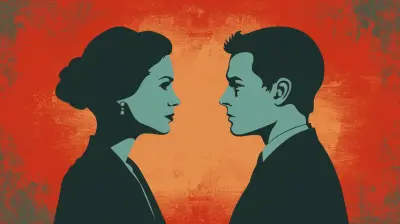
The Role of Fear in Relationship Dynamics
13 June 2026
Fear. Just the word alone might make your stomach do a tiny flip. It’s that gut-punching feeling we get when we’re uncertain, vulnerable, or scared of rejection. And guess what? Fear doesn’t check itself at the door when love walks in. It invites itself to the party—sometimes even bringing baggage. Yup, it’s the uninvited guest in most relationships, and it plays a much bigger role than many of us realize.
Today, we’re diving headfirst into "The Role of Fear in Relationship Dynamics." Don’t worry—we’re not here to make you fear your fear. We’re here to understand it, laugh a little, and maybe make peace with it. So grab a cozy drink and settle in. Let’s untangle this emotional spaghetti together.
What Do We Mean By "Fear In Relationships" Anyway?
Before we go full-therapy mode, let’s break it down. Fear in relationships isn’t necessarily about being afraid of the other person. It's more about the internal worries we carry around like emotional backpacks:- Fear of abandonment
- Fear of rejection
- Fear of vulnerability
- Fear of being "too much" or "not enough"
- Fear of losing yourself in someone else
These fears aren’t weird. They’re actually super common. Everyone—yes, everyone—has them in some shape or form.
Think of fear as that overprotective friend who wants to keep you safe but doesn’t always understand the assignment. Sometimes, it whispers helpful things like, “Hey, maybe don’t overshare on the first date.” Other times, it screams, “RUN! They’re going to hurt you!” because you didn’t get a text back for three hours.
Where Does This Fear Come From?
Oh, the million-dollar question.Fear in relationships often doesn’t sprout out of nowhere. It’s usually rooted in:
1. Past Experiences
Got ghosts from relationships past? You’re not alone. Maybe you were betrayed, ghosted, or made to feel invisible. Those wounds don’t just vanish—they often leave little fear footprints on your heart.2. Childhood Attachments
Our early experiences with caregivers can shape our relationship fears like clay. If love felt inconsistent or conditional growing up, you might carry those patterns into adult relationships.3. Self-Worth Struggles
When we doubt ourselves, it’s easier to fear rejection. It’s like trying to build a house on shaky ground. If you don’t feel lovable, you’ll question why someone else would stick around.
The Sneaky Ways Fear Shows Up in Relationships
Fear is clever. It’s not always obvious like a flashing neon sign. Sometimes it tiptoes in dressed up as something else entirely.1. Jealousy
Yep, that green-eyed monster? Often a mask for deep-seated fear. You’re not just worried they might cheat—you’re scared you're not enough.2. Control
Trying to control how someone behaves or feels? That could be fear disguised as power. It’s a defense mechanism to avoid getting hurt.3. Avoidance
Ever pull away when things start getting too real? That’s fear whispering: “Don’t get too close. It’s safer over here emotionally.”4. Overthinking
Rereading texts, analyzing every word, spiraling into “what ifs”? Fear is fueling that mental hamster wheel.
How Fear Impacts Relationship Dynamics
Okay, so fear is everywhere. But what exactly does it do to the dance between two people in love (or just getting there)?It Can Drive Disconnection
When fear runs the show, emotional walls go up. Instead of leaning in, we lean out. We guard, withdraw, and protect ourselves—and unintentionally push the other person away.It Creates Confusion
One minute you’re all in, the next you’re pulling back. Hot and cold behavior is often fear’s way of testing the waters while keeping a life jacket on.It Blocks Honest Communication
When you’re afraid of judgment or conflict, you hold back. And without honesty, relationships can’t thrive. It’s like trying to charge your phone with a frayed cable—it just doesn’t work right.It Fuels Unhealthy Patterns
Fear can cause us to repeat toxic cycles: dating the same type of emotionally unavailable person, self-sabotaging when things get good, or constantly needing reassurance.Facing Fear: The First Step to Closer Connections
Now here’s the good news. Fear doesn’t have to be the villain of your love story. Once you recognize it, you can address it—without letting it steer the relationship ship.1. Name It To Tame It
Sounds cheesy, but it works. Saying, “I’m scared you’ll leave me,” is powerful. It takes the fear out of the shadows and into the light where it can’t grow so wildly.2. Talk To Your Partner
A partner worth their salt won’t run when you open up. Vulnerability brings connection. Try saying, “Sometimes I get anxious when I don’t hear from you—I know it’s my stuff, but I wanted you to know.”3. Get Curious, Not Critical
Instead of judging your fear, get curious. Where is it coming from? Is it based on fact or a story you’re telling yourself? Treat fear like a visitor, not a roommate.4. Self-Soothe Like a Pro
You can’t always eliminate fear, but you can comfort yourself. Think: deep breaths, journaling, calling a friend, or remembering “This is just a feeling. It will pass.”5. Practice Secure Attachment Habits
Even if you didn’t grow up with secure attachment, you can build it now. That means:- Communicating clearly
- Setting healthy boundaries
- Staying present in the relationship
- Trusting actions over anxious thoughts
When Fear and Love Coexist (Yup, They Can)
Plot twist: feeling fear doesn’t mean the relationship is doomed. In fact, fear can have a role in deepening love—when we work through it, not around it.Think of fear as the price of admission to any meaningful emotional connection. If you didn’t care, you wouldn’t worry. If it didn’t matter, you’d walk away without a second thought.
So really, fear is an indicator that something is meaningful. The trick is making sure it doesn’t become the driver of your emotional life, steering you away from the very connection you crave.
Laughing at Fear (Yes, It’s Possible)
Sometimes, the best way to disarm fear is to poke a little fun at it. Imagine your fear as a cartoon character—overly dramatic, flailing its arms, yelling, “We’re all going to get hurt!”Would you give that character total control? I mean, probably not. Fear often operates on worst-case scenarios that never actually happen. So when your brain’s going, “They haven’t texted back—they’re ghosting!”… maybe they’re just literally watching Netflix.
Humor gives us space. It reminds us not everything is life or death—even if it feels like it in the moment. And being able to laugh with your partner about your fears? That’s real intimacy.
Building Fear-Resilient Love
A strong relationship doesn’t mean never feeling fear. It means recognizing it, owning it, and talking through it. Because courageous love isn’t the absence of fear—it’s loving anyway.Here’s what fear-resilient love looks like:
- You share your doubts without shame
- You support each other's healing journeys
- You're open to growth, not just comfort
- You allow space for imperfection
- You choose love even when things feel wobbly
Final Thoughts: Fear Isn’t The Enemy—Silence Is
So here’s the heart of it: fear is a natural part of human connection. It’s not something to be ashamed of, and it’s definitely not something to bottle up. The real trouble starts when we let fear go unspoken—when it festers in the quiet and drives a wedge between us.The goal isn’t to eliminate fear forever. That’s not realistic. The goal is to understand it, grow through it, and create safe spaces in our relationships where both people can say, “I’m scared… and I still choose us.”
So the next time fear pops up (maybe during a little disagreement or when someone doesn’t text back), take a breath. You’ve got this. Fear might knock on the door—but now you get to decide whether or not it moves in.
all images in this post were generated using AI tools
Category:
Psychology Of FearAuthor:

Nina Reilly
Discussion
rate this article
1 comments
Vesperos Klein
Fear can deeply influence relationships, often leading to misunderstandings and distance. Acknowledging and addressing it is crucial for healthy connections.
June 27, 2026 at 4:41 AM
Nina Reilly
You're absolutely right. Fear can create barriers that hinder connection. Facing it together can strengthen relationships.