The Role of Gender Stereotypes in Shaping Behavior
16 January 2026
Ever caught yourself thinking, “Boys don't cry” or “Girls are just naturally better at nurturing”? These are classic examples of gender stereotypes, and as much as they seem harmless, they shape our behavior more than we realize. From childhood to adulthood, these stereotypes creep into how we think, act, and even how we see ourselves. They influence the choices we make, the careers we chase, and the relationships we build.
Let’s take a deep dive into how these stereotypes work, how they mess with our heads in subtle (and sometimes not-so-subtle) ways, and what we can do to break free from them.
What Are Gender Stereotypes, Really?
At their core, gender stereotypes are widely held beliefs about the characteristics and behaviors that are "appropriate" for men and women. Think of them as mental shortcuts our brains take — but these shortcuts are often outdated and inaccurate.For example:
- Men are strong, logical, and assertive.
- Women are emotional, nurturing, and passive.
Sound familiar? These aren’t just harmless ideas — they’re social scripts we’re expected to follow. And when we don’t? That’s when things get tricky.
Where Do These Stereotypes Come From?
Spoiler alert: We’re not born with them.Gender stereotypes are learned — from parents, teachers, friends, the media, and even fairy tales. As kids, we soak up everything around us like sponges. When boys are given action figures and told to “toughen up,” and girls are handed dolls and praised for being “sweet,” the seeds are planted.
By the time we’re teens, these stereotypes are so ingrained that they often feel like personal truths.
Influence of Media and Pop Culture
TV shows, movies, ads — you name it. Media is a huge player in reinforcing gender roles. For decades, male characters have been portrayed as superheroes or problem-solvers, while females were cast as damsels in distress or caregivers.Now, of course, things are slowly changing. But the impact of years of one-sided storytelling doesn’t vanish overnight.
How Gender Stereotypes Shape Behavior
So, how do these stereotypes influence how we act? Honestly, in more ways than you might think.1. Personal Identity
Ever felt like you had to “act tough” even when you were falling apart? Or hide your ambition because you didn’t want to seem “bossy”? That’s gender stereotyping at work.We start internalizing these expectations early on. Boys may suppress emotions to fit the “masculine” mold, while girls may downplay their assertiveness to appear more “feminine.” This affects how we present ourselves and even how we value ourselves.
2. Academic and Career Choices
Here’s a wild stat: Even though girls often outperform boys in school, they’re underrepresented in STEM (science, tech, engineering, math) fields. Why? Because of the stereotype that men are better at math and science.Same with boys — they’re less likely to pursue careers like nursing or teaching because those are seen as “women’s jobs.” These stereotypes can limit people from reaching their full potential just because of outdated ideas about gender.
3. Relationships and Communication
Gender stereotypes shape the way we communicate and relate to others. For instance, men might avoid deep emotional conversations because they’ve been taught that expressing emotion is “unmanly.” Women might be expected to do the emotional labor in relationships, like being the peacemakers or managing everyone’s feelings.This can create a serious imbalance in relationships — not to mention a lot of frustration.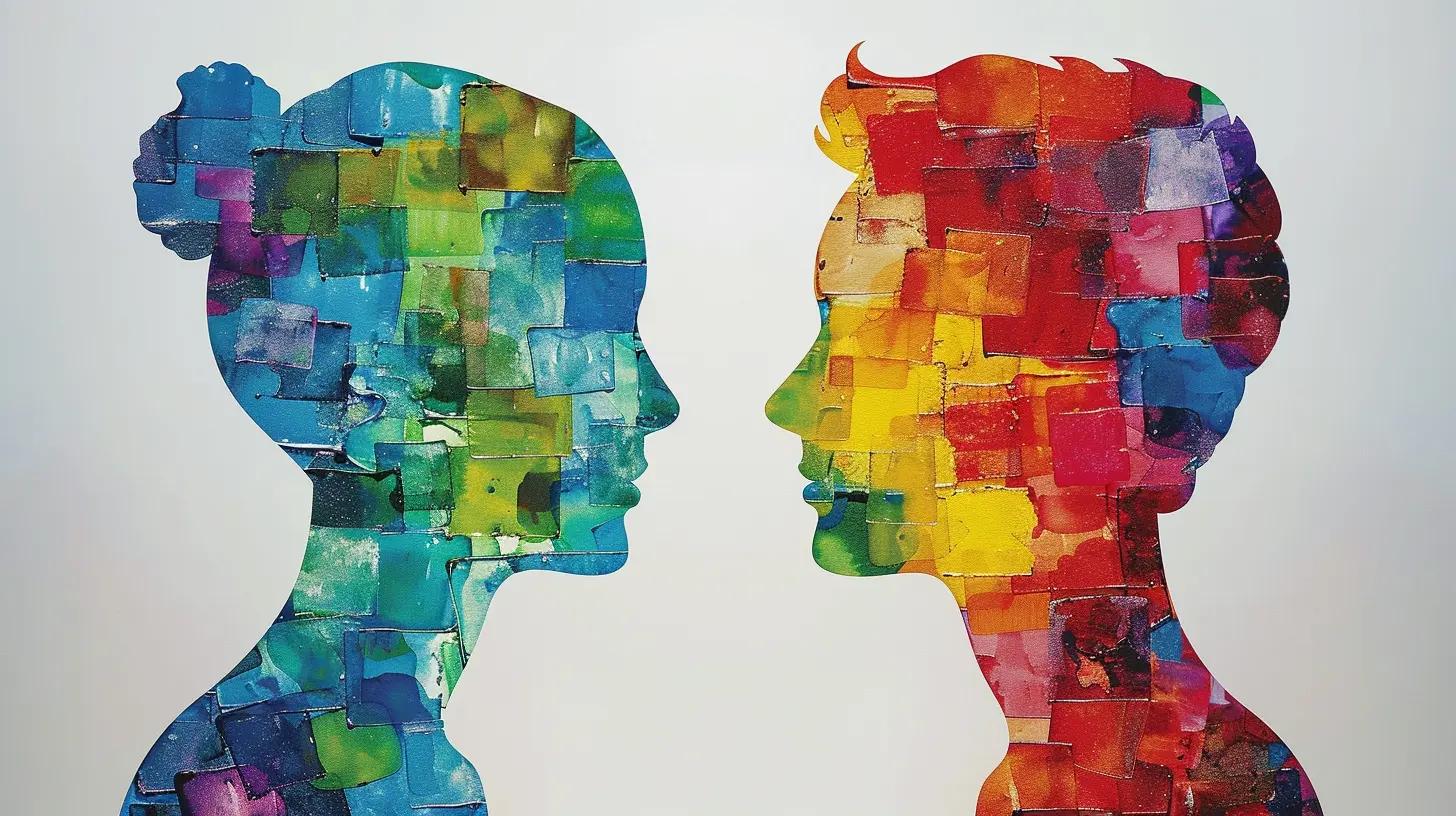
The Psychological Impact of Gender Stereotyping
Let’s get real — these stereotypes don’t just mess with our behavior. They affect our mental health, too.Self-Esteem and Confidence
Constantly feeling like you don’t measure up to society’s expectations can chip away at your self-worth. Girls who are told they shouldn’t be "too ambitious" may hold themselves back. Boys who are told to “man up” might feel ashamed of vulnerability. Over time, this kind of pressure builds up.Anxiety and Depression
Trying to fit into rigid gender roles can be exhausting. It’s like wearing shoes that don’t fit — eventually, you get blisters. Studies have shown that individuals who feel pressured to conform to gender norms are at a higher risk for anxiety, depression, and other mental health issues.Limiting Authenticity
Here’s the kicker — when we adjust our behavior to fit a stereotype, we’re not really being ourselves. And that disconnect can leave us feeling empty or disconnected from our true selves. It’s like playing a role in a play you didn’t audition for.Real-Life Examples: It’s Closer Than You Think
Let’s zoom in on this with a few relatable scenarios:- In the workplace: A woman speaks up in a meeting and is labeled “aggressive,” while a man doing the same is seen as “strong” or “confident.”
- In schools: A boy who loves art might be teased for not enjoying sports, pushing him to give up his passion so he can "fit in."
- In parenting: Dads who want to be stay-at-home parents may face judgment or disbelief, while moms are expected to naturally take on the caregiver role.
These everyday moments reinforce stereotypes over and over again — until they start feeling like rules we can’t break.
Social Pressures and Conformity
Society doesn’t just suggest how we should behave — it rewards conformity and punishes deviation. Ever been called “too emotional”? Or told something “isn’t ladylike”? Those are subtle reminders to stay in our lane.We often adjust our behavior just to avoid judgment or criticism. But at what cost?
Breaking the Cycle: What Can We Do?
Okay, so we know gender stereotypes are harmful. But what now? Fortunately, there’s plenty we can do — as individuals and as a society.1. Challenge Your Own Biases
We all have them (yep, even the most open-minded among us). The first step is to become aware of those automatic thoughts and question them. Ask yourself:- “Why do I think that?”
- “Where did that belief come from?”
- “Is that actually true, or just what I was taught?”
2. Raise Kids Without Limits
Let’s give the next generation a head start by raising kids free from gender expectations. Let boys play with dolls and girls build robots. Let kids cry, be loud, be soft, be whatever they feel.Giving children the freedom to explore all parts of themselves builds confidence and emotional intelligence.
3. Speak Up
If you hear someone reinforcing gender stereotypes, say something — kindly. Sometimes, people don’t realize they’re doing it. A simple “Hey, that’s kind of a stereotype” can open the door to a bigger conversation.4. Support Diverse Representation
Demand better from media and brands. Support movies, shows, and books that challenge gender norms and offer a more inclusive view of what people can be. Representation matters — big time.The Future Without Stereotypes
Imagine a world where kids grow up choosing careers, hobbies, and lifestyles without worrying about whether it’s “too masculine” or “too feminine.” Where emotions are for everyone, and leadership isn’t tied to gender.It’s not a pipe dream — it’s absolutely possible. But it starts with us looking at our own beliefs and being brave enough to change them.
Final Thoughts
Gender stereotypes are sneaky. They’re dressed up as “just the way things are,” but they hold a lot of people back. They mess with our heads, our choices, and our relationships. But the good news? We don’t have to follow the script.By being more aware, speaking up, and supporting each other, we can break down these outdated roles and make room for everyone to just be themselves.
You don’t have to fit the mold. The mold is broken anyway — and that’s a beautiful thing.
all images in this post were generated using AI tools
Category:
Psychological ResearchAuthor:

Nina Reilly
Discussion
rate this article
2 comments
Maris O'Brien
Unraveling the unseen threads of identity—who truly defines us?
February 5, 2026 at 3:20 PM
Nina Reilly
Identity is a complex tapestry woven from societal influences, including gender stereotypes, which shape our behaviors and perceptions. Ultimately, while others may influence us, we hold the power to define our own identities.
Clara McKinstry
Oh, great! Another article about gender stereotypes—because clearly, we all needed a reminder that wearing pink makes you a princess and crying during commercials is a universal male pastime. Can't wait to see how this revolutionary insight changes the world! #Groundbreaking
January 18, 2026 at 4:54 AM
Nina Reilly
I appreciate your perspective! While it may seem repetitive, examining gender stereotypes is crucial for understanding and challenging societal norms. Constructive dialogue can lead to meaningful change.