The Role of Psychological Safety in Cross-Cultural Teams
11 June 2026
Introduction
Have you ever been in a room full of people where you felt hesitant to speak up? Maybe you feared being judged, misunderstood, or simply ignored. Now, imagine this scenario in a professional setting, especially in a diverse team where cultural backgrounds and communication styles vary drastically.
This is where psychological safety comes into play. In cross-cultural teams, fostering psychological safety isn’t just about making people feel comfortable—it’s essential for collaboration, innovation, and overall team success. So, let’s dive into why psychological safety is crucial in diverse teams and how organizations can cultivate it.

What Is Psychological Safety?
Psychological safety is a term coined by Harvard professor Amy Edmondson, referring to an environment where individuals feel safe to take interpersonal risks without fear of humiliation or punishment. In a psychologically safe workplace, employees are comfortable sharing ideas, asking questions, and admitting mistakes without worry.Now, when we add cultural diversity into the mix, psychological safety becomes even more critical. People from different backgrounds may have varying ways of expressing themselves, differing attitudes towards hierarchy, or distinct perspectives on teamwork. If the environment isn't psychologically safe, some voices may get lost, and real collaboration may never happen.
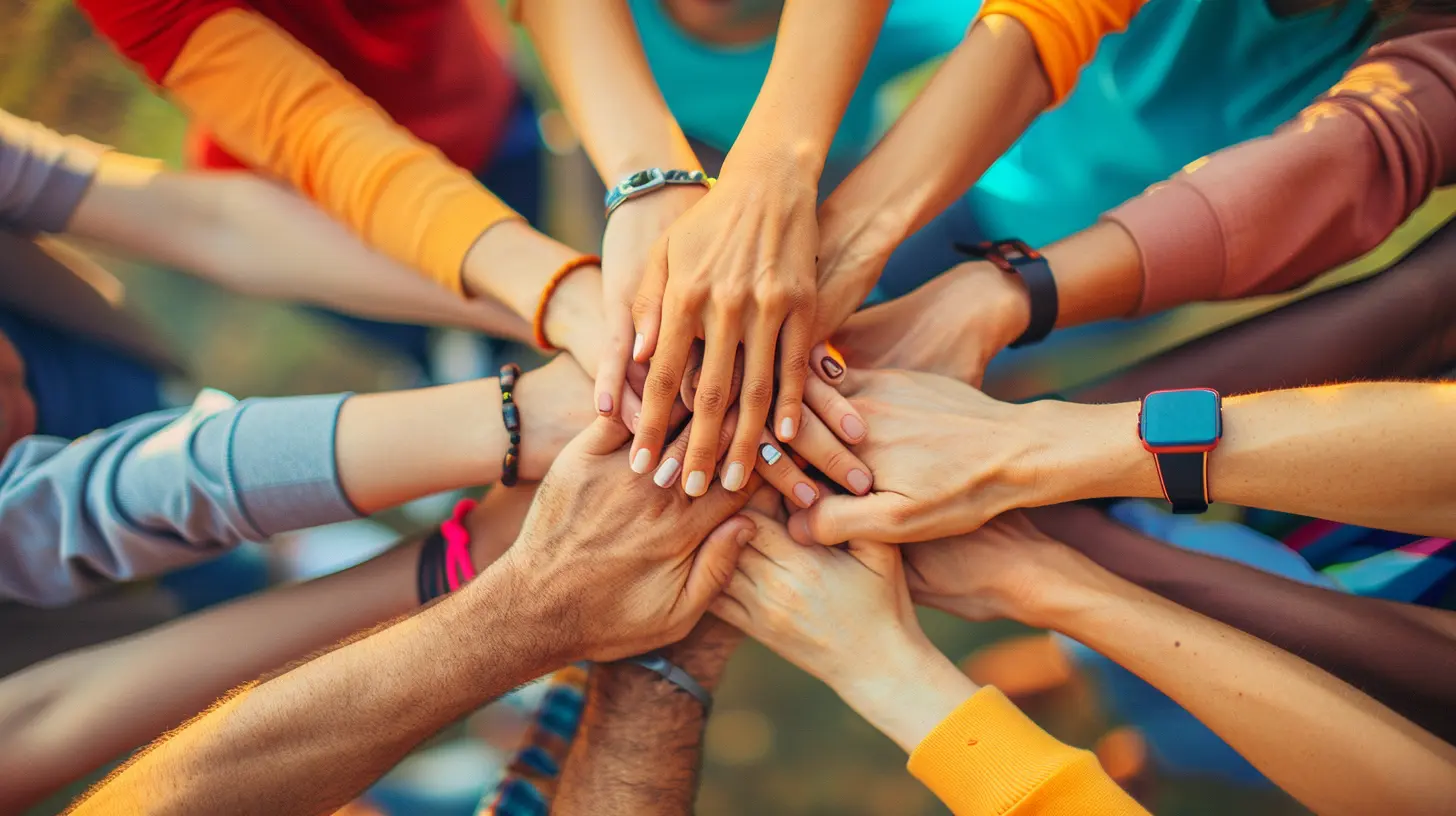
Why Psychological Safety Matters in Cross-Cultural Teams
1. Encourages Open Communication
Different cultures have different norms when it comes to communication. Some value directness, while others prefer a more indirect approach. If one team member perceives another’s communication as rude or vague, misunderstandings can arise. However, in an environment that promotes psychological safety, team members feel confident asking for clarification instead of jumping to conclusions.For example, an American team member might openly challenge an idea in a meeting, while a Japanese colleague may remain silent out of respect. Without a safe space to discuss these differences, misunderstandings can quickly turn into frustration.
2. Enhances Collaboration and Innovation
Imagine a team brainstorming session where only a few voices dominate the conversation. If psychological safety is lacking, quieter or culturally reserved team members may hesitate to speak up, even if they have groundbreaking ideas. Over time, this stifles creativity and teamwork.When people believe their input is valued, regardless of their role or cultural background, collaboration thrives. Innovative ideas surface, and the team benefits from diverse perspectives that lead to better decision-making.
3. Reduces Fear of Failure
In some cultures, failure is seen as a natural part of learning, while in others, it carries significant shame. A psychologically safe team allows individuals to make mistakes without fearing harsh consequences. Instead of hiding errors, they openly address them and learn from each other.Think of it like learning to ride a bike: If you're afraid of falling, you’ll never take your feet off the ground. Psychological safety gives people the confidence to "fall" and get back up stronger.
4. Builds Trust Among Team Members
Trust is the foundation of any successful team, but in cross-cultural teams, it can take longer to develop due to different norms and values. When psychological safety is prioritized, team members trust that their colleagues have good intentions. This leads to better problem-solving, reduced workplace stress, and stronger relationships.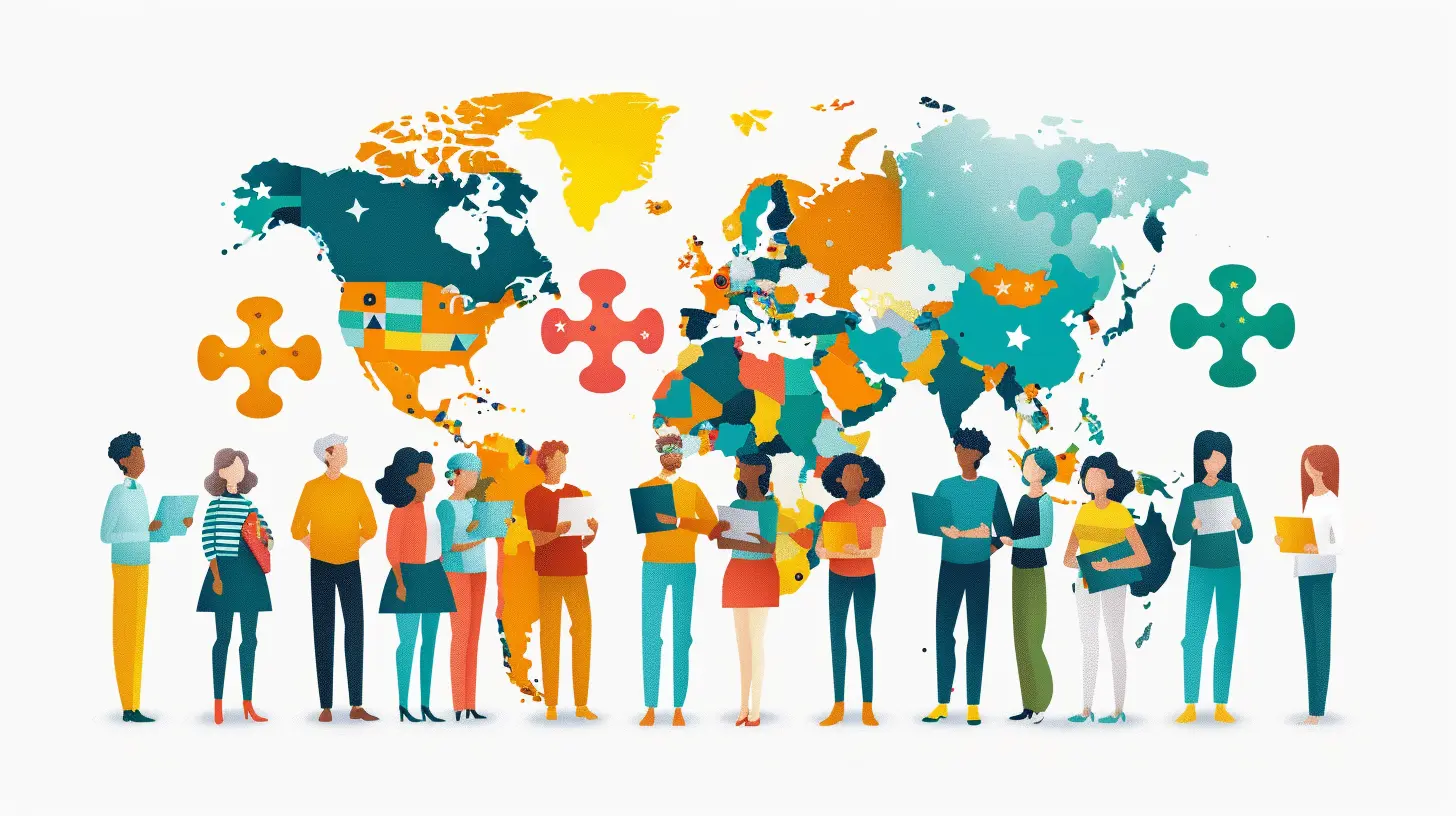
Challenges to Psychological Safety in Cross-Cultural Teams
1. Language Barriers and Misinterpretation
Not everyone in a multicultural team speaks the same language fluently. This can lead to miscommunication, frustration, and in some cases, exclusion. If psychological safety isn't present, team members might be too embarrassed to ask for clarification, leading to avoidable mistakes.2. Cultural Norms Around Authority and Hierarchy
Some cultures have a top-down leadership approach, where employees hesitate to question authority, while others encourage open debate. If a workplace doesn't actively promote psychological safety, employees from hierarchical cultures might stay silent, even when they have valuable insights to contribute.3. Fear of Stereotyping or Bias
Employees in diverse teams may fear being judged based on stereotypes related to their nationality, gender, or background. This fear can prevent them from fully engaging in discussions or asserting their professional opinions.4. Differences in Feedback Styles
In Western cultures, feedback is often direct and constructive, while in some Asian cultures, feedback may be more subtle to avoid causing embarrassment. Without psychological safety, individuals may perceive feedback as personal attacks instead of valuable learning opportunities.
How to Foster Psychological Safety in Cross-Cultural Teams
So, how can organizations ensure that everyone feels included and valued, regardless of their background? Here are some practical strategies:1. Encourage a Speak-Up Culture
Leaders must set the tone by openly inviting diverse perspectives. Whether it’s through team meetings, anonymous feedback channels, or one-on-one check-ins, employees should feel comfortable sharing their thoughts without hesitation.2. Normalize Mistakes as Learning Opportunities
When leaders acknowledge their own mistakes and frame failures as opportunities for growth, employees will feel more comfortable doing the same. This fosters a growth mindset, reducing fear of judgment.3. Promote Active Listening
Cross-cultural teams benefit immensely from active listening. This means truly focusing on what the other person is saying rather than preparing your next response. Simple habits like paraphrasing, nodding, or asking follow-up questions can make a huge difference in ensuring everyone feels heard.4. Train Teams on Cultural Awareness
Understanding different communication styles, work ethics, and values can help prevent cultural misunderstandings. Offering diversity and inclusion training can equip teams with the knowledge and sensitivity needed to work effectively together.5. Establish Clear Communication Norms
Setting ground rules for how meetings are conducted, how feedback is given, and how decisions are made ensures that all voices are heard. For instance, implementing structured turn-taking in meetings can help balance participation.6. Create Safe Spaces for Informal Interactions
Team-building activities that allow employees to connect on a personal level help break down barriers and build trust. Whether it's virtual coffee chats or causal Slack channels, fostering informal connections strengthens psychological safety.Conclusion
Psychological safety isn't just a "nice-to-have"—it's a necessity for cross-cultural teams. Without it, diverse voices may go unheard, brilliant ideas might be left unspoken, and collaboration could suffer.But when teams actively cultivate a safe and inclusive environment, they unlock the true power of diversity. They innovate, support each other, and create a workplace where everyone—regardless of culture—feels valued.
So, the next time you're working in a multicultural team, ask yourself: Are we creating a space where everyone feels safe to speak up? If the answer is no, it's time to take action!
all images in this post were generated using AI tools
Category:
Psychological SafetyAuthor:

Nina Reilly
Discussion
rate this article
1 comments
Lulu Pratt
Oh great, just what we needed-more ways to ensure everyone feels cozy and safe while having deep, profound discussions about their cultural differences... how original!
June 20, 2026 at 2:20 PM