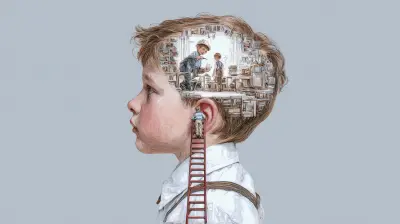
The Role of Self-Awareness in Enhancing Creativity and Innovation
8 June 2026
Creativity and innovation are often thought to be gifts—innate talents that some people have, and others don’t. But what if I told you that one of the most powerful keys to unlocking creativity isn’t some mystical ability, but rather something you can develop and control? That key is self-awareness.
Self-awareness is the foundation of personal growth, emotional intelligence, and effective decision-making. But what many people don’t realize is that it also plays a critical role in enhancing creativity and innovation. In this article, we’ll dive into how self-awareness fuels creative thinking, why it matters for innovation, and how you can cultivate it to sharpen your creative potential.

What Is Self-Awareness?
Before we explore how self-awareness impacts creativity, let's first define what it is. In simple terms, self-awareness is the ability to recognize and understand your own thoughts, emotions, and behaviors. It’s about knowing what makes you tick—what drives you, what distracts you, and what holds you back.There are two types of self-awareness:
1. Internal Self-Awareness – Understanding your own emotions, thoughts, values, and motivations.
2. External Self-Awareness – Understanding how others perceive you and how your actions affect them.
Both types are important, but when it comes to creativity and innovation, internal self-awareness is the game-changer.

How Self-Awareness Boosts Creativity
1. It Helps You Understand Your Thought Patterns
Have you ever found yourself stuck in a creative rut? Chances are, you might have been battling recurring negative thought patterns. Self-awareness allows you to step back and analyze your thought processes, helping you identify limiting beliefs and self-doubt that could be holding you back.By recognizing and challenging these thoughts, you create space for more open-minded and original thinking, which is essential for creativity.
2. It Encourages Self-Reflection and New Perspectives
Creativity thrives on fresh ideas and new ways of thinking. But if you’re not aware of your own biases and habitual patterns, you’ll likely keep recycling the same ideas.Self-awareness helps you question your assumptions and break free from rigid thinking. It allows you to experiment with different perspectives, which broadens your creative capacity. The more you reflect on your experiences and thought processes, the more you refine your ability to think outside the box.
3. It Enhances Emotional Regulation
Emotions play a huge role in creativity. When you’re overwhelmed by frustration, anxiety, or doubt, it can stifle your creative energy. On the flip side, when you’re in a state of flow, creativity flourishes.Being self-aware means you can recognize emotional roadblocks and take action to manage them. Whether it’s taking a break, practicing deep breathing, or changing your environment, emotional regulation helps you stay in the right headspace for creative breakthroughs.
4. It Helps You Embrace Failure as a Learning Opportunity
Let’s be real—creative work involves failure. A lot of it. Whether you're a writer, artist, or entrepreneur, you will encounter setbacks. The difference between those who push forward and those who give up often comes down to self-awareness.Self-aware individuals can separate their work from their identity. They don’t see failure as a reflection of their worth; instead, they view it as valuable feedback. This mindset shift is crucial for continuous improvement and innovation.

The Connection Between Self-Awareness and Innovation
Innovation isn’t just about coming up with ideas—it’s about translating those ideas into real-world solutions. And self-awareness plays a massive role in making that happen.1. It Encourages Adaptability
One of the biggest obstacles to innovation is resistance to change. People often cling to familiar methods because they fear uncertainty. However, self-awareness allows you to recognize when you're resisting change out of habit rather than necessity.When you’re self-aware, you’re more comfortable adapting to new situations, which is crucial for innovation. You become better at recognizing when an idea isn’t working and pivoting toward a better solution.
2. It Fosters Better Decision-Making
Innovation requires the ability to make bold decisions—sometimes with limited information. Self-awareness improves your ability to make choices based on intuition and logic rather than impulse or external pressures.By understanding your strengths, weaknesses, and cognitive biases, you can make decisions that align with your creative vision while minimizing risks.
3. It Strengthens Collaboration
Innovation often happens in teams, and self-awareness is a game-changer when it comes to collaboration. When you’re aware of your communication style, emotional triggers, and work preferences, you can work more effectively with others.It also helps you appreciate different perspectives, making it easier to brainstorm innovative solutions without getting stuck in ego-driven debates.
4. It Boosts Confidence and Initiative
Innovators aren’t just idea generators—they’re also action-takers. Self-awareness helps you understand what motivates you, giving you the confidence to turn ideas into reality.When you know your creative strengths and trust your instincts, you’re more likely to take bold steps toward innovation without second-guessing yourself.

How to Cultivate Self-Awareness for Creativity and Innovation
Now that we’ve established just how crucial self-awareness is, let's talk about how you can develop it. Here are some practical strategies:1. Practice Mindfulness
Mindfulness is one of the most effective ways to enhance self-awareness. By focusing on the present moment, you become more attuned to your thoughts, feelings, and habits. Simple practices like meditation, deep breathing, or even mindful journaling can greatly improve your awareness levels.2. Keep a Creativity Journal
Writing down your thoughts, ideas, and creative struggles can help you notice patterns over time. A creativity journal allows you to reflect on what inspires you, what blocks your creativity, and what sparks your most innovative ideas.3. Seek Honest Feedback
Sometimes, our blind spots prevent us from seeing ourselves clearly. Ask for feedback from mentors, peers, or colleagues to gain insights into how your thought processes and behaviors impact your creative work.4. Engage in Regular Self-Reflection
Schedule time for reflection, whether it’s at the end of the day or the end of the week. Ask yourself questions like:- What creative risks did I take this week?
- What challenges did I face, and how did I handle them?
- How can I improve my creative process?
5. Develop Emotional Intelligence
Understanding your emotions and learning how to manage them is key to self-awareness. Explore techniques like cognitive reframing, emotional labeling, and stress-reduction strategies to stay in control of your emotional state.6. Step Outside Your Comfort Zone
Creativity thrives when you challenge yourself. Try new hobbies, visit unfamiliar places, or engage in conversations with people who have different perspectives. These experiences can give you fresh insights into your own thought processes.Conclusion
Creativity and innovation aren’t just about external skills—they’re deeply connected to self-awareness. The more you understand yourself, the better you can harness your creative potential and bring fresh ideas to life.By recognizing your thought patterns, embracing failure, and fine-tuning your emotional responses, you’ll open up new pathways for creativity and innovation. So, the next time you feel stuck, take a step back and look within—your biggest creative breakthrough might just be waiting for you to discover it.
all images in this post were generated using AI tools
Category:
Self AwarenessAuthor:

Nina Reilly
Discussion
rate this article
1 comments
Ford McGovern
Self-awareness is crucial for creativity. By understanding our thoughts and emotions, we can unlock new perspectives and innovative ideas that might otherwise remain hidden.
June 15, 2026 at 4:52 PM