Are Whiter Eyes Really More Attractive? New Study Says It's Complicated
June 8, 2026 - 08:51
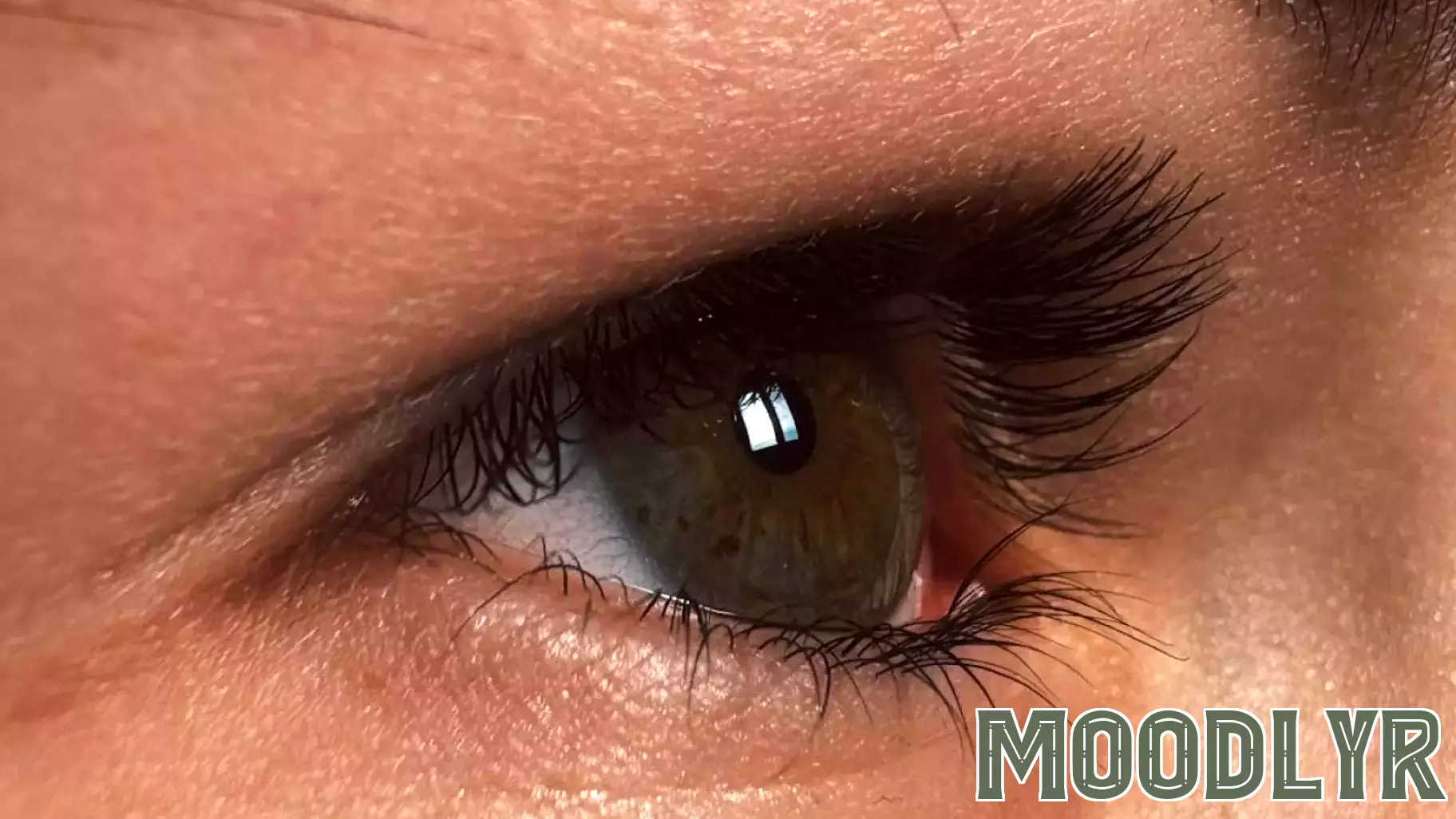
For years, beauty standards have suggested that bright, clear eyes are a universal sign of health and attractiveness. But a new cross-cultural study challenges that simple assumption, finding that the whiteness of the sclera -- the white part of the eye -- plays a more nuanced role in how we perceive others, particularly when it comes to femininity and first impressions.
Researchers conducted experiments across different cultures to test how variations in sclera color affect judgments of attractiveness, health, and gender traits. The results show that while very white eyes can signal youth and vitality, extremely white sclera can sometimes backfire, making faces appear less natural or even slightly unsettling. In some cultural contexts, slightly darker or warmer-toned sclera were rated as more attractive, especially when paired with other facial features.
The study also found that eye whiteness influences perceptions of femininity. Faces with brighter sclera were often judged as more feminine, regardless of the person's actual gender. This suggests that the eye's appearance may trigger deep-seated social cues about softness, approachability, and reproductive health. However, the effect was not uniform across all participants, indicating that personal and cultural preferences still play a major role.
These findings add complexity to the simple idea that "whiter is better." Instead, the researchers argue that the ideal eye appearance depends on context, including the surrounding skin tone, facial structure, and cultural norms. For example, in some regions, a slight yellow or red tint in the sclera is considered normal and does not necessarily reduce attractiveness.
The takeaway? When it comes to first impressions, the eyes may have it -- but not in the way most people think. Rather than chasing an unnatural level of whiteness, the study suggests that balance and harmony with the rest of the face matter more. So next time you look in the mirror, remember: your eyes don't need to be the brightest in the room to make a good impression.
MORE NEWS

July 23, 2026 - 12:29
The Hidden Needs Behind Constant ComplainingPsychology suggests that people who complain all the time are not simply negative by nature. Instead, their complaints often signal deeper unmet needs that remain unspoken. When someone gripes...

July 22, 2026 - 19:43
Psychology says the little thank-you wave between drivers isn't a reflex — it's the last universally understood sentence on the roadYou do it without thinking. Another driver lets you merge, and your hand lifts from the wheel in a quick, casual wave. It feels automatic, like a reflex. But psychology suggests it is something...

July 22, 2026 - 16:43
Canine Science Is Biased Toward the Western WorldA new study highlights a significant blind spot in the field of canine science: most research on domestic dogs focuses on a narrow, Westernized subset of the global population. The findings suggest...

July 21, 2026 - 19:50
Pettyjohn bill expands Delaware’s mental health workforceGovernor Matt Meyer signed Senate Substitute 1 for Senate Bill 208 into law on June 24, marking a bipartisan effort to address the state`s shortage of mental health professionals. The legislation,...