Psychology says the little thank-you wave between drivers isn't a reflex — it's the last universally understood sentence on the road
July 22, 2026 - 19:43

You do it without thinking. Another driver lets you merge, and your hand lifts from the wheel in a quick, casual wave. It feels automatic, like a reflex. But psychology suggests it is something deeper. That little thank-you wave between drivers is not just a random habit. It is the last universally understood sentence spoken on the road.
Researchers point to a few reasons why this gesture survives. First, it is a form of social contract. When you wave, you acknowledge that the other person did not have to let you in. They chose to. Your wave says "I see you, and I appreciate the favor." This small exchange reinforces cooperation in an environment that often feels hostile and anonymous.
Second, the wave works because it is simple. Words cannot travel between cars. Horns are too aggressive. Flashing headlights can mean anything from "thank you" to "watch out." But a raised hand, palm open, is clear. It has no hidden meaning. It is pure acknowledgment.
Psychologists also note that this gesture is one of the last shared rituals in a fragmented world. People from different cultures, ages, and political views all do the same wave. It does not require translation. It does not depend on language. It is a piece of common ground that still exists.
So next time you lift your hand after someone lets you merge, remember: you are not just being polite. You are speaking a language that everyone on the road still understands. And in a world where that is increasingly rare, the little wave matters more than you think.
MORE NEWS

July 22, 2026 - 16:43
Canine Science Is Biased Toward the Western WorldA new study highlights a significant blind spot in the field of canine science: most research on domestic dogs focuses on a narrow, Westernized subset of the global population. The findings suggest...
July 21, 2026 - 19:50
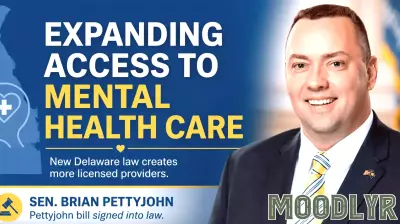
Pettyjohn bill expands Delaware’s mental health workforceGovernor Matt Meyer signed Senate Substitute 1 for Senate Bill 208 into law on June 24, marking a bipartisan effort to address the state`s shortage of mental health professionals. The legislation,...

July 21, 2026 - 16:56
The Hidden Mental Traps That Drain Shoppers' WalletsMost shoppers believe they make rational choices when spending money. But psychology research shows that subtle mental shortcuts often lead people to spend hundreds of dollars more than necessary....

July 20, 2026 - 23:52
The 36 Questions That Made Strangers Feel Like Lifelong FriendsIn 1997, psychologist Arthur Aron designed an experiment at Stony Brook University with a deceptively simple goal: could two strangers be made to feel close in under an hour? The answer, it turned...