The Hidden Mental Traps That Drain Shoppers' Wallets
July 21, 2026 - 16:56
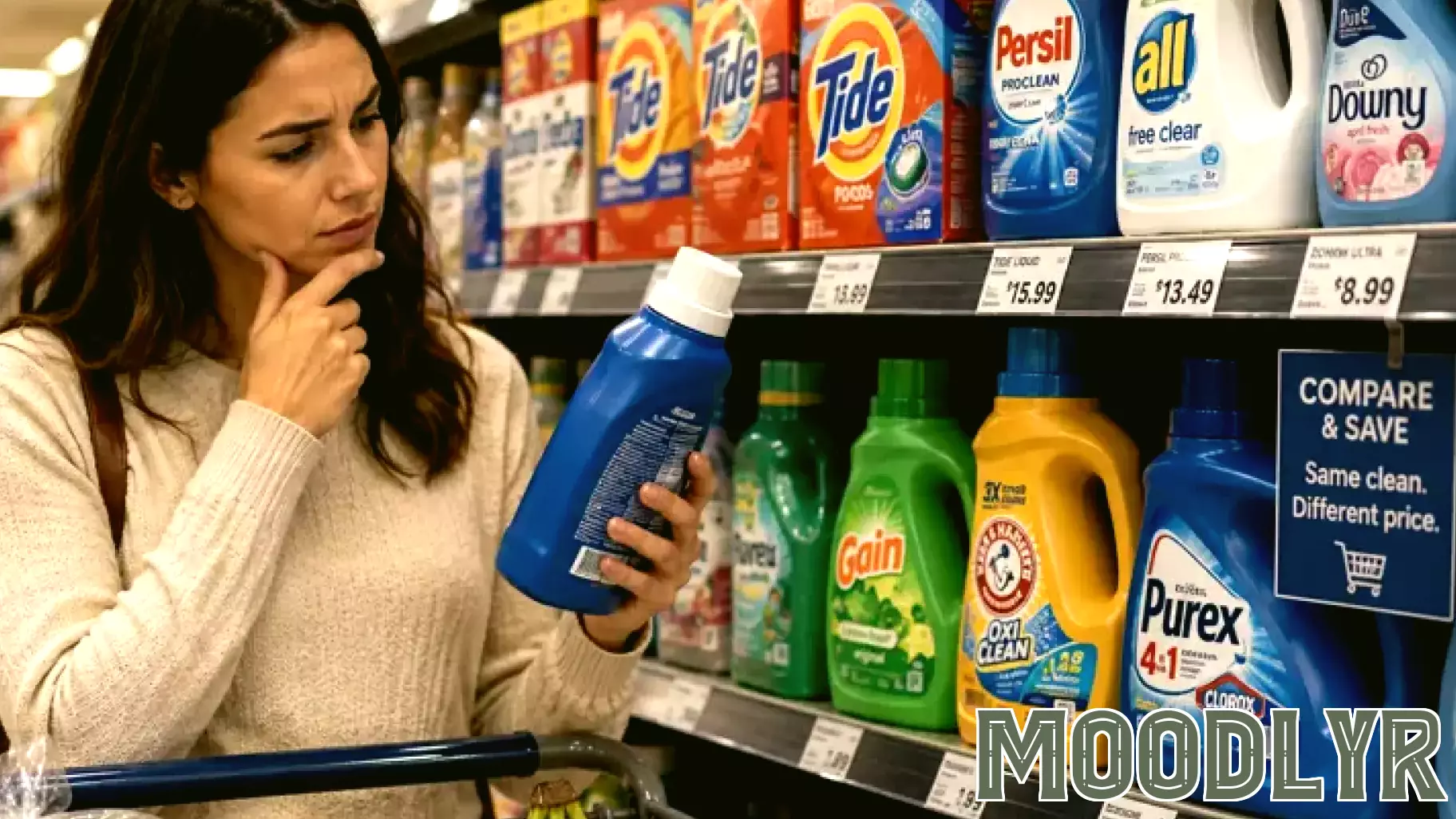
Most shoppers believe they make rational choices when spending money. But psychology research shows that subtle mental shortcuts often lead people to spend hundreds of dollars more than necessary. These hidden influences operate quietly, shaping decisions without conscious awareness.
One of the most common traps is the price-quality illusion. Consumers frequently assume a higher price signals better quality, even when the difference comes from branding, packaging, or marketing. A store brand pain reliever with the same active ingredients as a name brand can cost half as much, yet many shoppers reach for the expensive option. The brain equates cost with value, even when evidence suggests otherwise.
Familiarity also plays a powerful role. People gravitate toward brands they recognize, not because those brands are superior, but because the brain processes familiar information more easily. This fluency bias makes shoppers feel comfortable spending more on products they have seen before, even if cheaper alternatives perform identically.
Decision fatigue compounds the problem. After making many small choices throughout the day, the brain becomes exhausted. Shoppers then default to the easiest option, often the most expensive or most advertised one. Grocery stores and online retailers design their layouts to exploit this fatigue, placing high-margin items at eye level and near checkout.
Fear also drives overspending. Worry about making the wrong choice pushes people toward premium products or extended warranties they do not need. The anxiety of potential regret overrides logic, leading to purchases that feel safe but cost more.
Recognizing these patterns is the first step. Slowing down, comparing unit prices, and questioning whether a higher cost truly means better quality can save shoppers significant money over time.
MORE NEWS

July 20, 2026 - 23:52
The 36 Questions That Made Strangers Feel Like Lifelong FriendsIn 1997, psychologist Arthur Aron designed an experiment at Stony Brook University with a deceptively simple goal: could two strangers be made to feel close in under an hour? The answer, it turned...

July 20, 2026 - 00:20
The American Psychological Association's Campus CrusadeA growing number of critics argue that the American Psychological Association has transformed from a scientific body into a political advocacy machine on college campuses. Rather than focusing on...

July 19, 2026 - 03:10
Building New Opportunities in Forensic Chemistry and Criminal Psychology - The Babak LabA research initiative known as the Babak Lab is carving out a distinct space at the intersection of hard science and human behavior. The lab is focused on expanding the practical applications of...

July 18, 2026 - 02:09
Psychology says people who ask a lot of questions while watching a movie aren't distracted: What this behaA new look at an old movie theater annoyance suggests that the person whispering questions in your ear might not be trying to ruin the film. According to recent psychological research, viewers who...