Do You Wash Your Hands for Cleanliness, Calm, or Both?
January 17, 2026 - 23:34
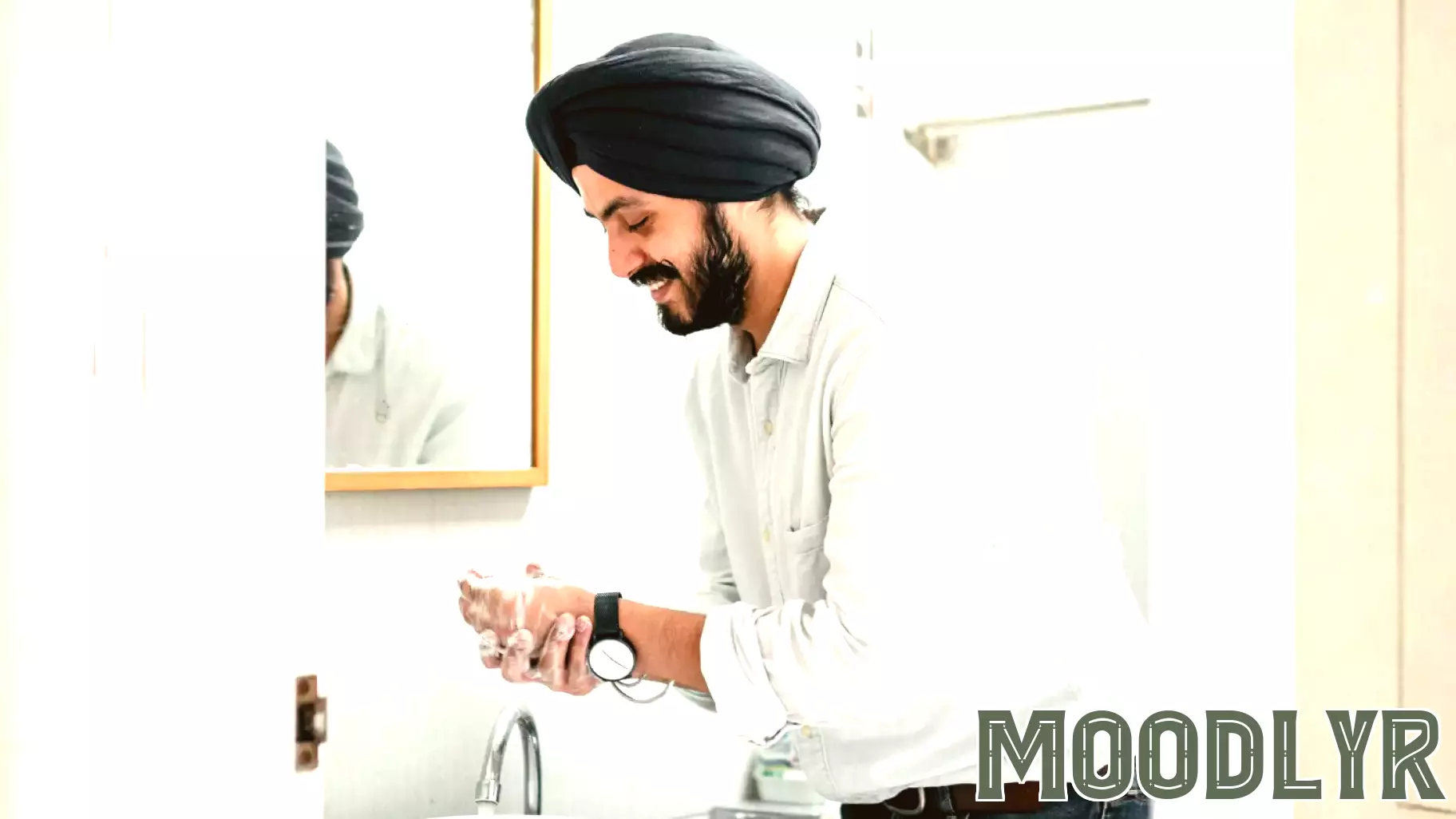
A recent exploration into the psychology of handwashing reveals that individuals who wash their hands immediately upon returning home often exhibit specific personality traits. This behavior is not merely a hygiene practice but a reflection of how they process their experiences in the outside world.
People who prioritize handwashing tend to be more conscientious, demonstrating a strong sense of responsibility and attention to detail. This trait often extends beyond hygiene, influencing their overall lifestyle choices and interactions. Additionally, such individuals may experience heightened levels of anxiety, using the act of washing their hands as a calming ritual to alleviate stress accumulated throughout the day.
Moreover, these handwashers often possess a strong desire for order and cleanliness, indicating a preference for structured environments. They may also be more empathetic, as their actions reflect a concern for both their own well-being and that of others. Ultimately, the simple act of washing hands can reveal much about a person’s character and coping mechanisms in a complex world.
MORE NEWS

July 17, 2026 - 09:05
I'm WEIRD, it turns out, and so is almost everyone psychology has ever studied — a narrow twelve percent of humanity whose responses somehow came to stand in for everything we think we know about the human mindIt turns out I am WEIRD. That is not an insult, but a label psychologists use for a very specific group of people. WEIRD stands for Western, Educated, Industrialized, Rich, and Democratic. It...

July 16, 2026 - 21:34
Psychology says people who feel like breaking things when they're angry may be responding to frustration aA new look at anger suggests that the urge to break objects when frustrated is not a sign of violence, but a natural response to emotional overload. Psychology researchers note that many people...

July 16, 2026 - 13:39
Psychology suggests we don't reason toward truth so much as defend what we already believe: we seek out the facts that confirm us and quietly wave away the rest — the 'confirmation bias' baked into how we thinkIn 1998, a Tufts psychologist named Raymond Nickerson published a long review article pulling together decades of scattered experiments under one heading. That heading was `confirmation bias,` and...

July 15, 2026 - 18:28
Psychology says people who eat burgers every day aren’t just craving comfort food, they may be driven by tPsychologists have long recognized that comfort foods often carry meaning beyond their nutritional value. A burger, for example, may evoke memories of family meals, college days, weekend traditions...