Psychology suggests we don't reason toward truth so much as defend what we already believe: we seek out the facts that confirm us and quietly wave away the rest — the 'confirmation bias' baked into how we think
July 16, 2026 - 13:39
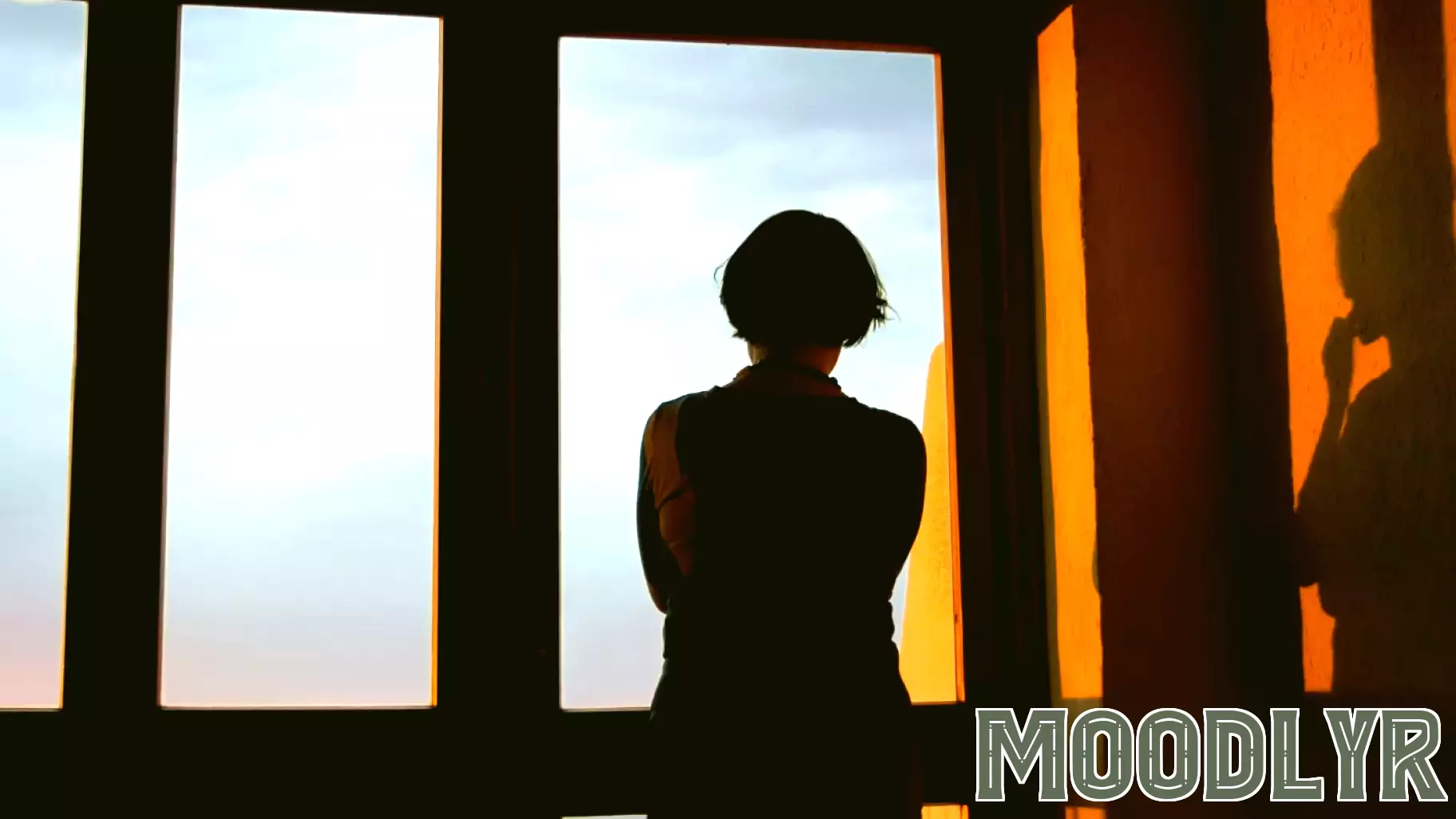
In 1998, a Tufts psychologist named Raymond Nickerson published a long review article pulling together decades of scattered experiments under one heading. That heading was "confirmation bias," and Nickerson defined it as the tendency to seek out, remember, and interpret information in a way that confirms what we already think. It sounds simple, but the implications are huge. Psychology suggests we do not reason toward truth so much as defend what we already believe. We hunt for facts that flatter our views and quietly wave away the rest.
This bias is baked into how we think. It is not just a bad habit or a sign of stubbornness. It is a cognitive shortcut. When we encounter new information, our brains process it faster if it fits an existing story. If it does not fit, we slow down, get uncomfortable, and often reject it. We do not even realize we are doing it. We feel like we are being rational, but really we are just building a case for a verdict we already reached.
Nickerson's work showed that this bias shows up everywhere. In courtrooms, jurors remember evidence that supports their first impression. In politics, voters rate the same policy differently depending on which party proposed it. In science, researchers sometimes design experiments that are more likely to confirm their hypothesis than test it fairly. The problem is not that we are stupid. It is that we are wired to protect our identity, and our beliefs are part of that identity. Admitting we are wrong feels like a loss, so we avoid it.
The real danger is that confirmation bias creates echo chambers. We surround ourselves with people who agree with us, read news that matches our worldview, and scroll past anything that challenges us. Over time, our confidence grows while our accuracy does not. We become harder to persuade, not because the evidence is weak, but because our defenses are strong. The first step out of this trap is admitting it exists. The second is learning to look for the evidence we do not want to find.
MORE NEWS
July 15, 2026 - 18:28
Psychology says people who eat burgers every day aren’t just craving comfort food, they may be driven by tPsychologists have long recognized that comfort foods often carry meaning beyond their nutritional value. A burger, for example, may evoke memories of family meals, college days, weekend traditions...

July 15, 2026 - 03:07
Psychology says people who don't brush their teeth every day aren't influenced by laziness, they may be reA new perspective in behavioral psychology challenges the common assumption that people who skip daily tooth brushing are just lazy. Instead, researchers suggest that inconsistent oral hygiene is...
July 14, 2026 - 03:55
Psychology says people who carefully unwrap the aluminum foil around their food aren't obsessive, they mayA new psychological perspective is challenging the common assumption that people who meticulously peel back aluminum foil from their food are simply perfectionists or control freaks. According to...

July 13, 2026 - 05:33
The Psychology of ‘It Won’t Happen to Me’: Optimism Bias in the WorkplaceSummer brings heat, long hours, and increased physical strain, but it also brings a dangerous mental trap. Many workers, even experienced ones, fall victim to a psychological phenomenon known as...