Does Your Chatbot Need a Therapist?: Scientists Want to Use LLMs to Model Human Emotions and Study Mental Health
July 1, 2026 - 21:15
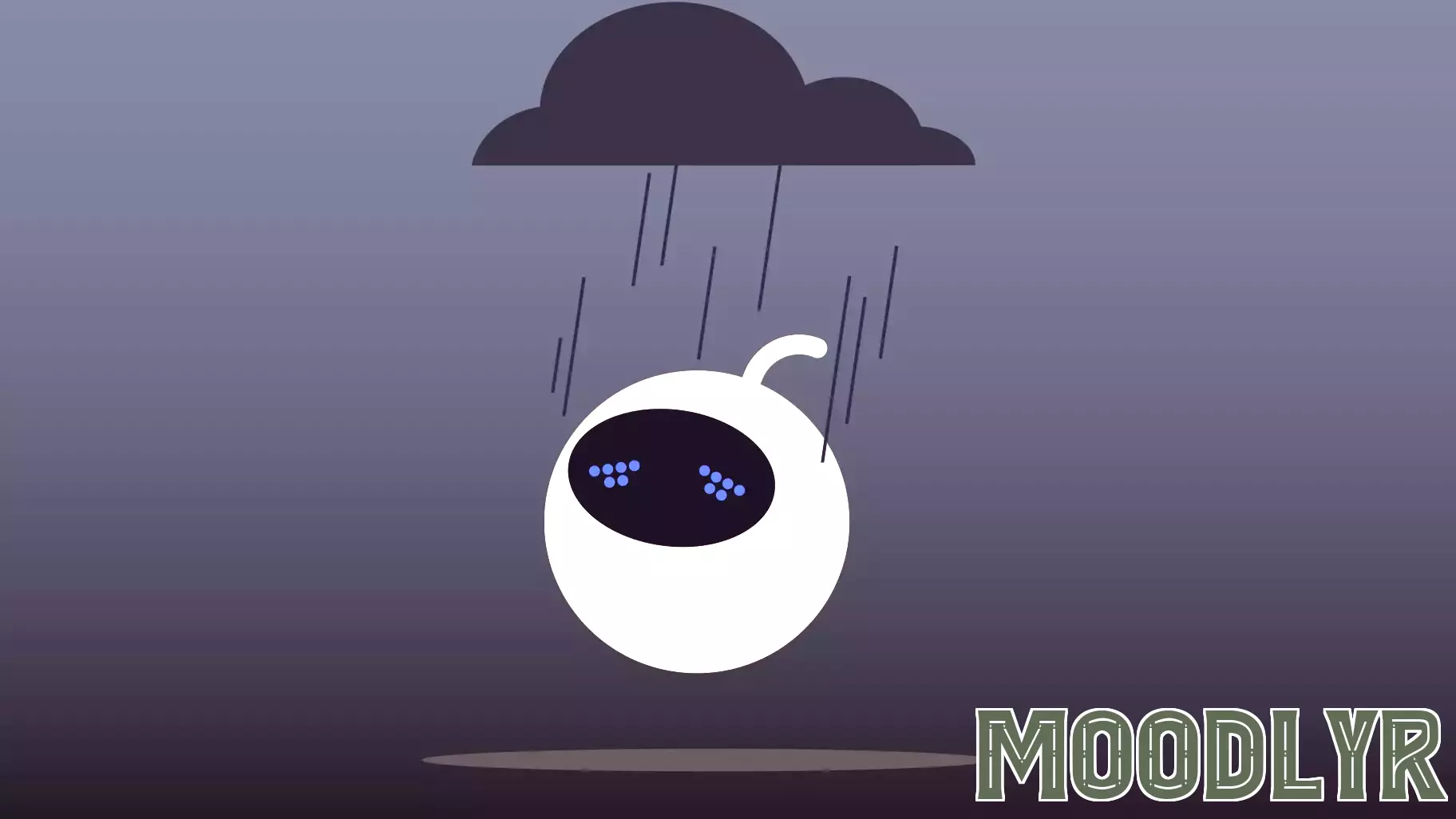
A growing number of researchers are asking a surprising question: could the same technology powering your chatbot help us understand the human mind? Instead of just answering questions or generating text, scientists now want to use large language models to simulate human emotions and study mental health conditions.
The idea is not as strange as it sounds. LLMs are trained on vast amounts of human writing, including personal stories, therapy transcripts, and online discussions about mental health. This means they have absorbed patterns of how people express sadness, anxiety, joy, and trauma. Researchers believe that by analyzing how these models respond to certain prompts, they might gain insight into how humans process emotions.
Some labs are already experimenting with LLMs as simulated patients. They feed the model descriptions of specific mental health conditions, like depression or PTSD, and then ask it questions as if it were a real person in therapy. The goal is to see whether the model can produce realistic emotional responses that match clinical profiles. If it works, these simulations could help train therapists, test new treatments, or even predict how someone might react to a stressful event.
But the approach has limits. Critics point out that an LLM does not actually feel anything. It mimics emotional language based on statistical patterns, not lived experience. A model can describe what it is like to be sad, but it has never been sad. This raises questions about whether the simulations are truly useful or just convincing illusions.
Still, supporters argue that perfect accuracy is not the point. Even an imperfect model could help researchers spot patterns in emotional language that humans miss. For example, an LLM might detect subtle shifts in word choice that signal the onset of depression long before a person notices it themselves.
The field is in its early stages, and no one is suggesting that chatbots should replace human therapists. But if scientists can figure out how to safely use LLMs as emotional mirrors, the technology might become a powerful tool for understanding the very thing it lacks: real human feeling.
MORE NEWS

August 15, 2026 - 18:55
Moving Beyond Wellness to EmpowermentFor years, workplace and community wellness initiatives have centered on stress reduction, mindfulness, and self-care. While these tools are helpful, a growing number of public health experts argue...

August 14, 2026 - 01:29
Montgomery College Launches New Psychology ProgramMontgomery College has introduced a new Psychology Option inside its Associate of Arts in General Studies degree, giving students a clearer route toward transferring to a four-year university. The...
August 13, 2026 - 03:37
Depression Doesn’t Just Affect the Thinking BrainFor decades, depression has been tied to the thinking brain and the networks that govern mood and memory. A major new study significantly complicates that story. Researchers have found that the...
August 12, 2026 - 09:29
Narcissism and psychopathy linked to entrepreneurial mindsetsPeople who rank higher in traits such as narcissism and psychopathy also tend to feel a more powerful internal push toward founding their own companies, according to recent research. The study...