Exploring the Psychological Roots of Political Polarization
October 13, 2025 - 13:14
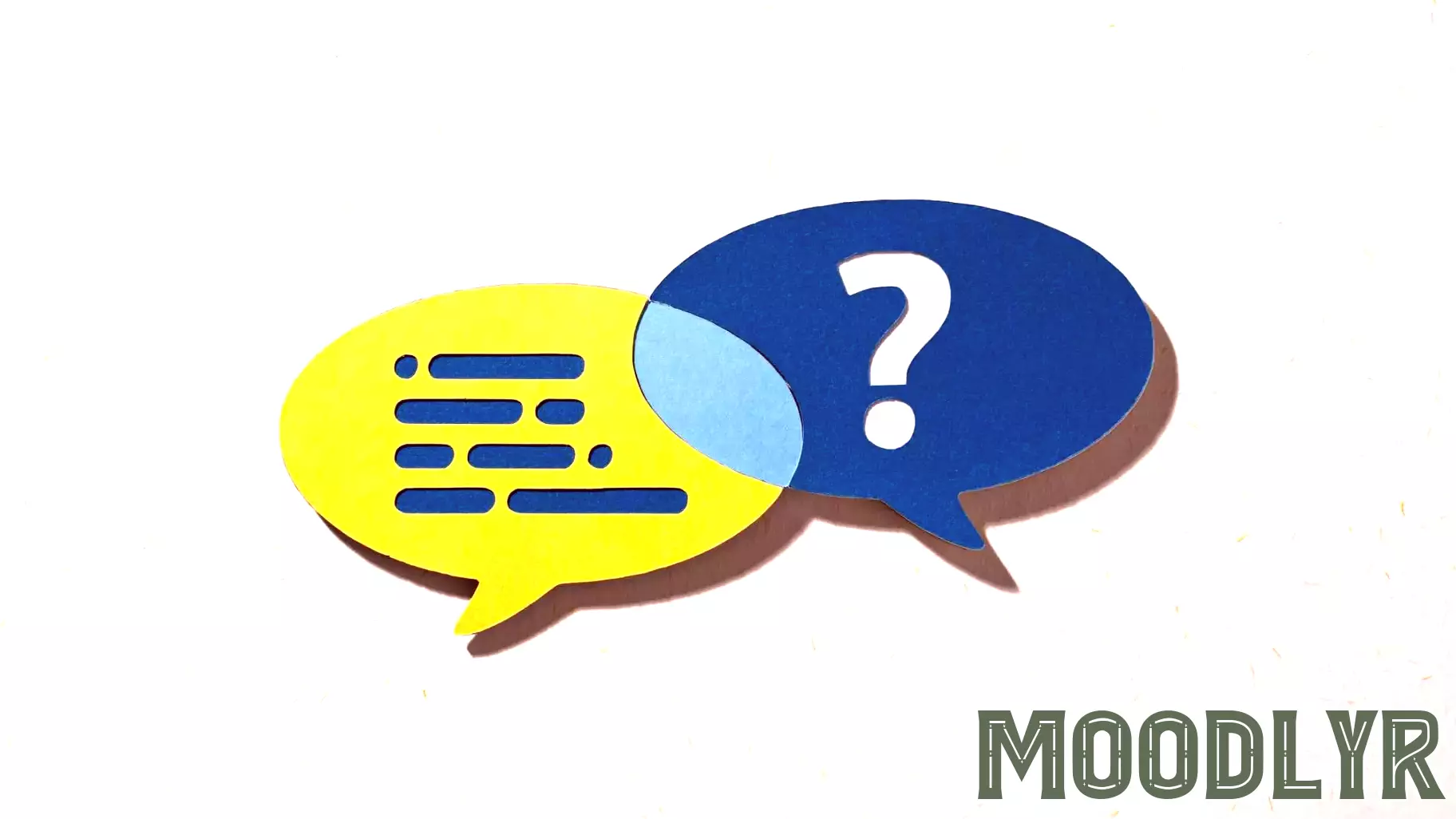
Why do individuals on opposing sides of the political spectrum frequently appear not just misinformed but also morally misguided? This phenomenon has become increasingly pronounced in today's climate of social media outrage, partisan media bubbles, and heightened political tensions. As people engage in discussions about their differing beliefs, good-faith efforts at cross-partisan dialogue often falter or escalate into hostility.
Psychologists suggest that this division stems from deep-seated cognitive biases and emotional responses. Many individuals tend to surround themselves with like-minded individuals, reinforcing their beliefs and creating echo chambers that further entrench their views. This can lead to a perception that opposing viewpoints are not just different but fundamentally wrong or immoral.
Moreover, social identity plays a significant role in this divide. People often derive a sense of belonging and self-worth from their political affiliations, making it challenging to empathize with or understand the perspectives of others. As a result, attempts to bridge the gap can be met with defensiveness and aggression, deepening the chasm between differing political ideologies. Understanding these psychological factors is crucial for fostering more constructive conversations in an increasingly polarized world.
MORE NEWS

July 18, 2026 - 02:09
Psychology says people who ask a lot of questions while watching a movie aren't distracted: What this behaA new look at an old movie theater annoyance suggests that the person whispering questions in your ear might not be trying to ruin the film. According to recent psychological research, viewers who...

July 17, 2026 - 09:05
I'm WEIRD, it turns out, and so is almost everyone psychology has ever studied — a narrow twelve percent of humanity whose responses somehow came to stand in for everything we think we know about the human mindIt turns out I am WEIRD. That is not an insult, but a label psychologists use for a very specific group of people. WEIRD stands for Western, Educated, Industrialized, Rich, and Democratic. It...
July 16, 2026 - 21:34
Psychology says people who feel like breaking things when they're angry may be responding to frustration aA new look at anger suggests that the urge to break objects when frustrated is not a sign of violence, but a natural response to emotional overload. Psychology researchers note that many people...
July 16, 2026 - 13:39
Psychology suggests we don't reason toward truth so much as defend what we already believe: we seek out the facts that confirm us and quietly wave away the rest — the 'confirmation bias' baked into how we thinkIn 1998, a Tufts psychologist named Raymond Nickerson published a long review article pulling together decades of scattered experiments under one heading. That heading was `confirmation bias,` and...