The psychology behind why people spend more money in Las Vegas
June 1, 2026 - 21:10
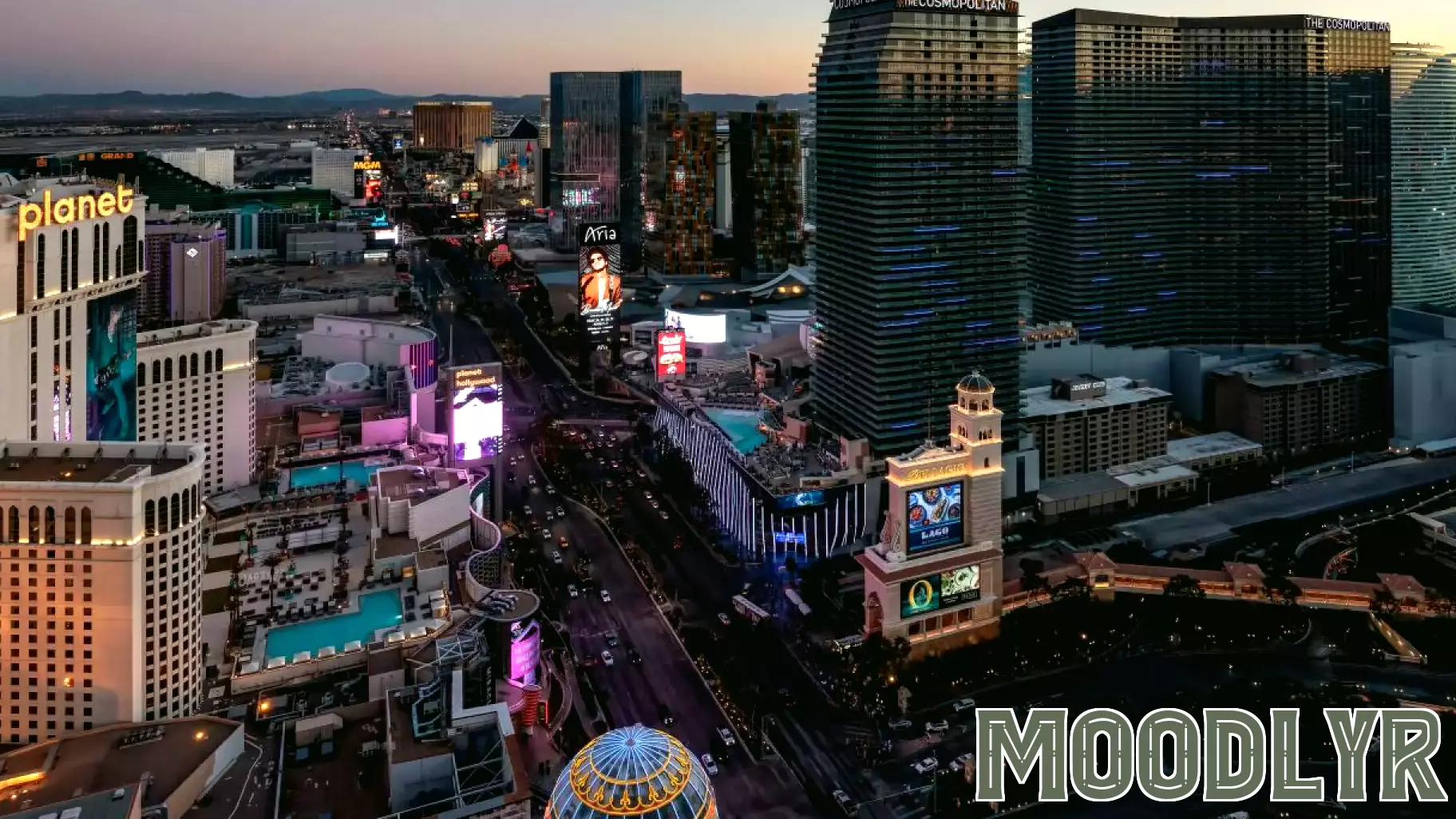
Las Vegas is designed to separate you from your money, and it works because the city exploits deep psychological triggers. It is not just about gambling. The entire environment is engineered to lower your defenses and encourage spending, from the moment you step off the plane.
One major factor is "vacation brain." When people travel, they shift into a leisure mindset. The usual rules of budgeting and restraint often get left behind at home. You tell yourself you are on vacation, so it is okay to splurge on a fancy dinner or a show. This temporary suspension of normal financial discipline is a powerful force.
Then there is the fear of missing out, or FOMO. Las Vegas thrives on creating a sense of urgency and exclusivity. You see a long line for a nightclub, a "limited time" buffet, or a flashy new attraction. The fear that you might miss a unique experience pushes you to open your wallet. The constant buzz of slot machines and the sight of other people having fun create a social proof that spending is normal and expected.
The physical layout of the casinos also plays a role. There are no clocks or windows in most gaming areas. This disorients your sense of time, making it easy to lose track of hours and money. The bright lights, free drinks, and comfortable chairs are all designed to keep you seated and playing. Even the smell of the casino floor is carefully crafted to be inviting and relaxing.
Finally, the city sells experiences, not just products. People are more willing to pay for a memorable night or a story to tell back home than for a physical item. This "experience economy" makes the high prices feel justified. You are not just buying a cocktail; you are buying a moment on the Strip. By understanding these psychological tricks, you can enjoy the city without letting your bank account take a complete hit.
MORE NEWS
July 16, 2026 - 21:34
Psychology says people who feel like breaking things when they're angry may be responding to frustration aA new look at anger suggests that the urge to break objects when frustrated is not a sign of violence, but a natural response to emotional overload. Psychology researchers note that many people...
July 16, 2026 - 13:39
Psychology suggests we don't reason toward truth so much as defend what we already believe: we seek out the facts that confirm us and quietly wave away the rest — the 'confirmation bias' baked into how we thinkIn 1998, a Tufts psychologist named Raymond Nickerson published a long review article pulling together decades of scattered experiments under one heading. That heading was `confirmation bias,` and...

July 15, 2026 - 18:28
Psychology says people who eat burgers every day aren’t just craving comfort food, they may be driven by tPsychologists have long recognized that comfort foods often carry meaning beyond their nutritional value. A burger, for example, may evoke memories of family meals, college days, weekend traditions...

July 15, 2026 - 03:07
Psychology says people who don't brush their teeth every day aren't influenced by laziness, they may be reA new perspective in behavioral psychology challenges the common assumption that people who skip daily tooth brushing are just lazy. Instead, researchers suggest that inconsistent oral hygiene is...