Passing the ideological Turing test predicts lower political hostility
June 21, 2026 - 16:45
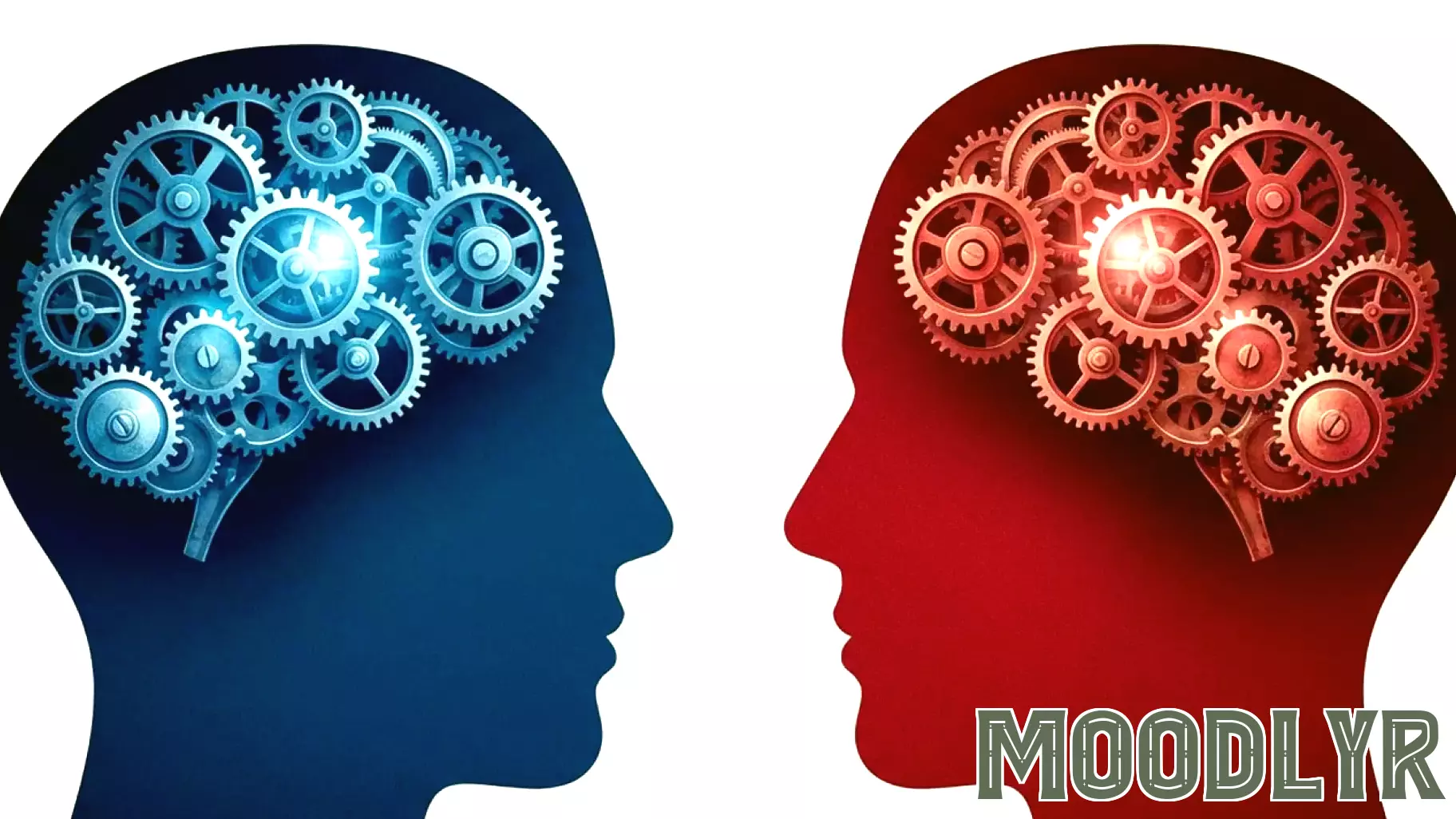
A new behavioral experiment suggests that the ability to convincingly argue a position you personally oppose might be a key to reducing political animosity. Inspired by the famous Turing test from computer science, researchers have designed a method to measure how well people can simulate an opposing worldview.
In the study, participants were asked to take a stance on a contentious issue and then write a persuasive argument from the opposite side. A separate group of judges, who held that opposing view, then evaluated whether the arguments were written by a genuine believer or by someone faking it. The results were striking. People who successfully passed this "ideological Turing test" -- meaning their fake arguments were mistaken for the real thing -- reported significantly lower levels of hostility toward their political opponents.
The research suggests that this skill is not just about mimicking talking points. It reflects a deeper cognitive ability to understand the logic and emotional weight behind an opposing view. The study's authors argue that this form of empathy is a practical skill, not just a moral ideal. When people can accurately simulate an opponent's reasoning, they are less likely to view them as stupid or malicious. This finding challenges the common assumption that political polarization is driven by a simple lack of information. Instead, it points to a failure of perspective-taking. The researchers hope that training people in this specific kind of intellectual empathy could be a tool for reducing partisan hostility in real-world debates.
MORE NEWS

August 5, 2026 - 02:41
We’re beginning to understand the sudden ‘grief attacks’ that hit mournersA few years ago, psychologist Sherman Lee was hit by a sudden wave of grief so intense it knocked him off his feet. It came without warning, long after the initial loss, and left him reeling. That...

August 4, 2026 - 04:25
Posture can influence your mood and behavior, study suggestsA recent study from McGill University suggests that the way you hold your body might be doing more than just affecting your back. It could be quietly shaping your emotions and the decisions you...

August 3, 2026 - 05:07
Psychology of the family group chat lurker: 7 reasons some people read every message and almost never replyThey see every birthday wish, every grainy photo of a new puppy, and every argument about who forgot to bring the potato salad. They read it all, sometimes within minutes of a message landing. And...

August 2, 2026 - 17:34
When the Whistle Stops: The Hidden Crisis of Athlete IdentityFor anyone who built their life around a sport, the end can feel less like a career change than a disappearance. The alarm goes silent, teammates scatter, and one question becomes impossible to...