Psychology Expert Explains Why Nostalgia Hits Us So Hard
January 23, 2026 - 10:56

From the scents in a vintage shop to viral throwback trends, we’ve all felt the sudden, potent pull of nostalgia. Psychology expert Professor Cathy Cox explains this universal experience is far more than simple reminiscence; it’s a complex emotional state with profound psychological benefits.
According to Professor Cox, nostalgia acts as a vital emotional regulator and a source of psychological sustenance. When we recall a cherished memory—be it a childhood song, a past holiday, or a beloved old film—our brain doesn't just replay an event. It actively reconstructs it, often softening edges and highlighting positive feelings. This process triggers the release of neurotransmitters associated with pleasure and reward, providing a genuine mood boost.
Crucially, nostalgia serves as a bridge across time, strengthening our sense of identity and continuity. By connecting our present self to our past experiences, it fosters feelings of belonging and meaning. In times of stress or loneliness, mentally revisiting a comforting past chapter can provide resilience and social connectedness, even if those remembered people aren't physically present.
Ultimately, this bittersweet emotion is a testament to our brain's remarkable ability to use memory not just for recall, but for emotional comfort and personal cohesion. It’s a deeply human response that reminds us who we are by reflecting on where we’ve been.
MORE NEWS

July 27, 2026 - 03:40
Psychology says people who dress up extravagantly for office aren't showing off: What this workplace behavA new look at workplace psychology suggests that employees who dress in bold or extravagant styles are not simply trying to impress their bosses or outshine their coworkers. Instead, researchers...

July 25, 2026 - 17:47
Rethinking Mental Health: From Self-Care to Systemic Solutions in the WorkplaceAcross various industries, including law, medicine, construction, and aviation, there is a noticeable shift in how mental health is approached. Rather than solely focusing on individual self-care...
July 24, 2026 - 09:20
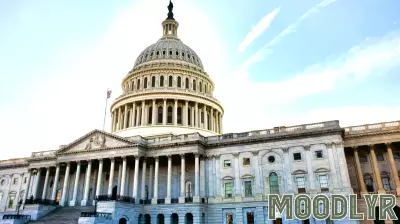
The psychological power of naming legislation after victimsLawmakers have long used the names of tragedy victims to brand new legislation, from Amber Alerts to the Brady Bill. A recent psychology study now explains why this strategy works so well....

July 23, 2026 - 19:18
Why You Whisper in Empty Churches and Libraries Without ThinkingYou step into a vast, silent library or an empty stone church, and without a second thought, your voice drops to a whisper. It feels automatic, almost involuntary. Many people assume this is just...