Psychology says kids rarely remember the mistake, but they never forget these 8 parental reactions
June 30, 2026 - 10:49
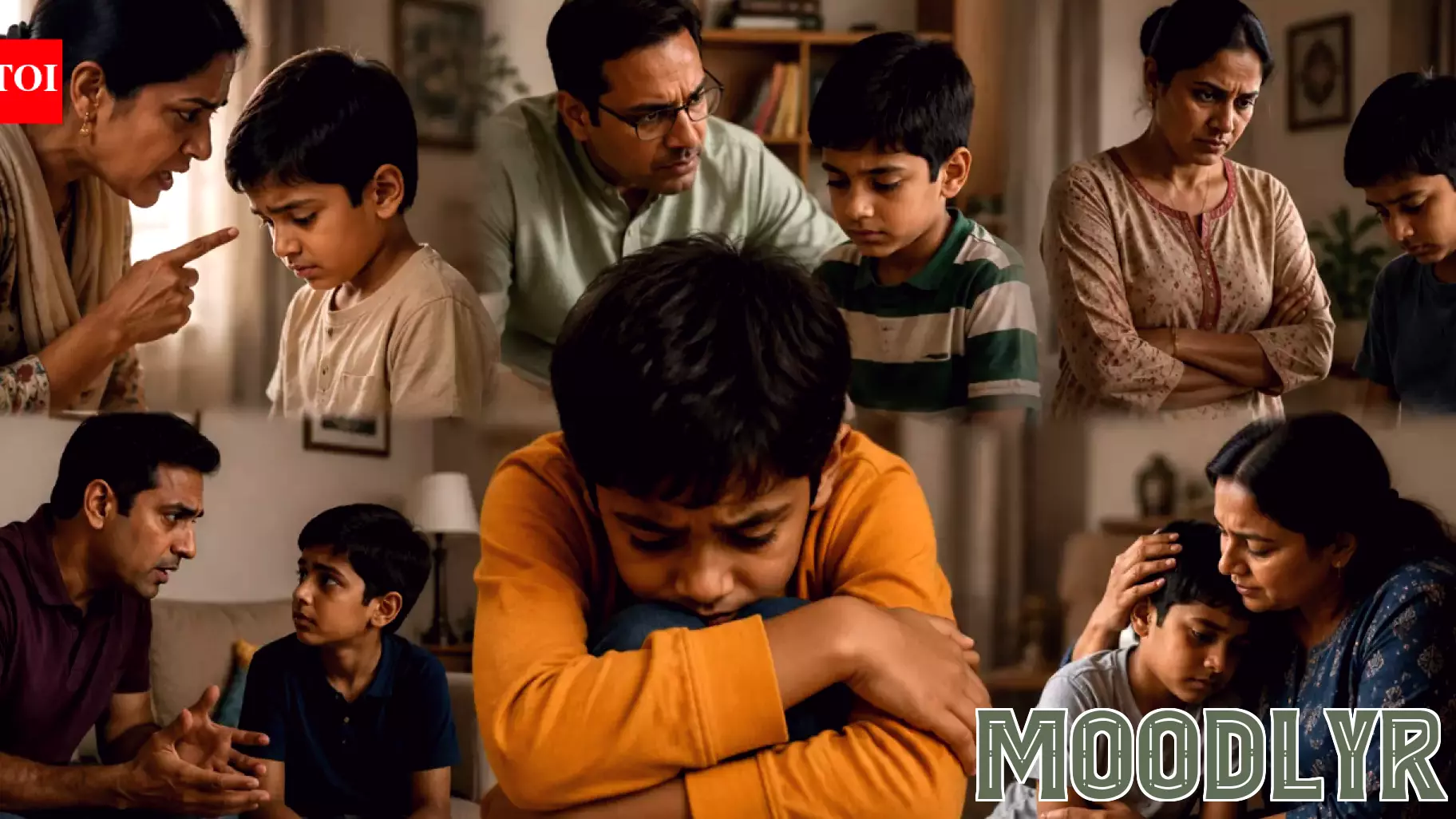
The memories children carry are rarely perfect recordings of events. They are emotional snapshots of how those events made them feel. A broken plate is eventually forgotten. A harsh sentence may echo for years. Equally, a parent's reassurance after failure can become a lifelong source of confidence. Psychology continues to show that children are not only learning from what parents teach but also from how parents respond when life inevitably goes wrong. In those ordinary moments of spilled milk, forgotten homework and accidental mistakes, children are quietly discovering whether the world feels safe, whether failure is survivable and whether love remains steady even when they get something wrong. Those lessons often outlast the mistakes themselves.
According to developmental research, children encode emotional tone far more accurately than factual detail. When a parent reacts with calm patience after a child breaks a vase, the child learns that accidents are not catastrophes. When a parent responds with explosive anger over a low test grade, the child may forget the grade but remember the fear. The eight reactions that stick most deeply include moments of genuine apology from a parent, instances of unconditional support during public embarrassment, and times when a parent chose to listen instead of lecture. Children also remember when parents admitted their own mistakes, when they offered comfort before correction, and when they showed pride in effort rather than outcome. These moments build the internal blueprint for how a child will later treat themselves and others.
The practical takeaway is not about perfection. No parent responds perfectly every time. But awareness of what children actually hold onto can shift priorities. A parent who focuses on connection during a child's failure is giving a gift that lasts longer than any lesson about the mistake itself. The child may never recall the broken toy or the lost jacket, but they will carry forward the feeling of being seen, loved and safe even when things fall apart.
MORE NEWS

August 14, 2026 - 01:29
Montgomery College Launches New Psychology ProgramMontgomery College has introduced a new Psychology Option inside its Associate of Arts in General Studies degree, giving students a clearer route toward transferring to a four-year university. The...
August 13, 2026 - 03:37
Depression Doesn’t Just Affect the Thinking BrainFor decades, depression has been tied to the thinking brain and the networks that govern mood and memory. A major new study significantly complicates that story. Researchers have found that the...
August 12, 2026 - 09:29
Narcissism and psychopathy linked to entrepreneurial mindsetsPeople who rank higher in traits such as narcissism and psychopathy also tend to feel a more powerful internal push toward founding their own companies, according to recent research. The study...
August 11, 2026 - 03:28
Are You Super Stressed Out? A Psychologist Says You Should Try This.When daily pressure starts to pile up, the usual advice is to take a break, breathe deeply, or step away from the screen. But one psychologist suggests a different approach: turn outward instead of...