Psychology says people who are old school and still love vintage gasoline run cars aren't resistant to cha
July 9, 2026 - 00:42
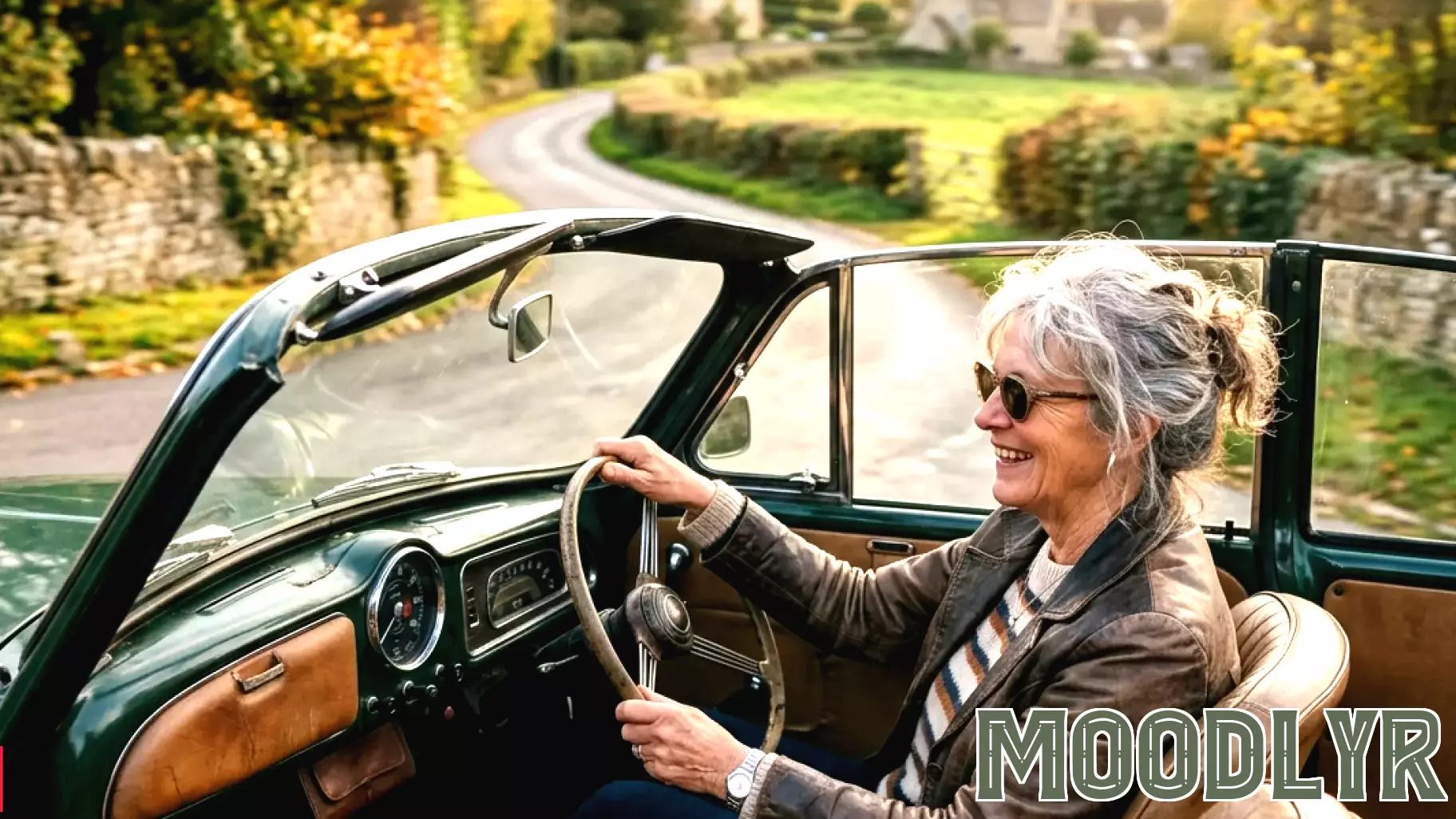
A common stereotype suggests that people who drive old gasoline-powered cars are stubbornly resisting progress. But psychology research tells a different story. According to studies on nostalgia and emotional attachment, choosing a vintage vehicle is often about identity and comfort, not fear of modern technology.
Psychologists point out that familiar objects, like a classic car from someone's youth, can trigger powerful memories. The smell of gasoline, the sound of a V8 engine, or the feel of a manual gear shift can create a sense of control and stability in a fast-changing world. This is not a rejection of electric vehicles or new safety features. Instead, it is a personal preference rooted in positive life experiences.
Research on decision-making shows that people often choose items that reinforce their sense of self. A vintage car can be a symbol of craftsmanship, simplicity, or a bygone era that the owner values. It can also represent a hobby, a community of fellow enthusiasts, or a connection to a parent or grandparent.
Experts say that labeling these drivers as "resistant to change" misses the point. Emotional bonds with objects are a normal part of human psychology. The choice to drive an older car is often about holding onto something meaningful, not about rejecting what is new. This understanding helps explain why personal history, rather than simple stubbornness, shapes so many of our everyday decisions.
MORE NEWS
July 8, 2026 - 04:38
Lessons from 43 Years of Teaching PsychologyDr. Roxanne Sullivan, the longest-serving faculty member at Bellevue University, has spent 43 years teaching psychology. Her career spans a dramatic shift in higher education, from traditional...

July 7, 2026 - 02:49
Mediterranean Diet Linked to Better Mental Health in Older AdultsA recent study has found that adults over 50 who follow a Mediterranean diet report higher levels of psychological well-being and showed greater resilience during the COVID-19 pandemic. Researchers...

July 6, 2026 - 03:31
Psychology says people who start feeling patriotic during sports matches aren't cheering for a team, theyPsychology suggests that people who become especially patriotic during sporting events are not simply getting caught up in the excitement. For many, cheering for their country creates a stronger...

July 5, 2026 - 06:00
Psychology says burnout doesn't always make employees quit; instead, some happy workers may be more proneA new psychological study challenges the common assumption that unhappy workers are the ones most likely to quit. According to the research, employees do not always leave their jobs because they...