Psychology says people who become lonelier as they get older aren't losing social skills — they're losing patience for superficial connection, and the loneliness is the price they pay for refusing to settle for relationships that don't actually feed them
March 26, 2026 - 19:35
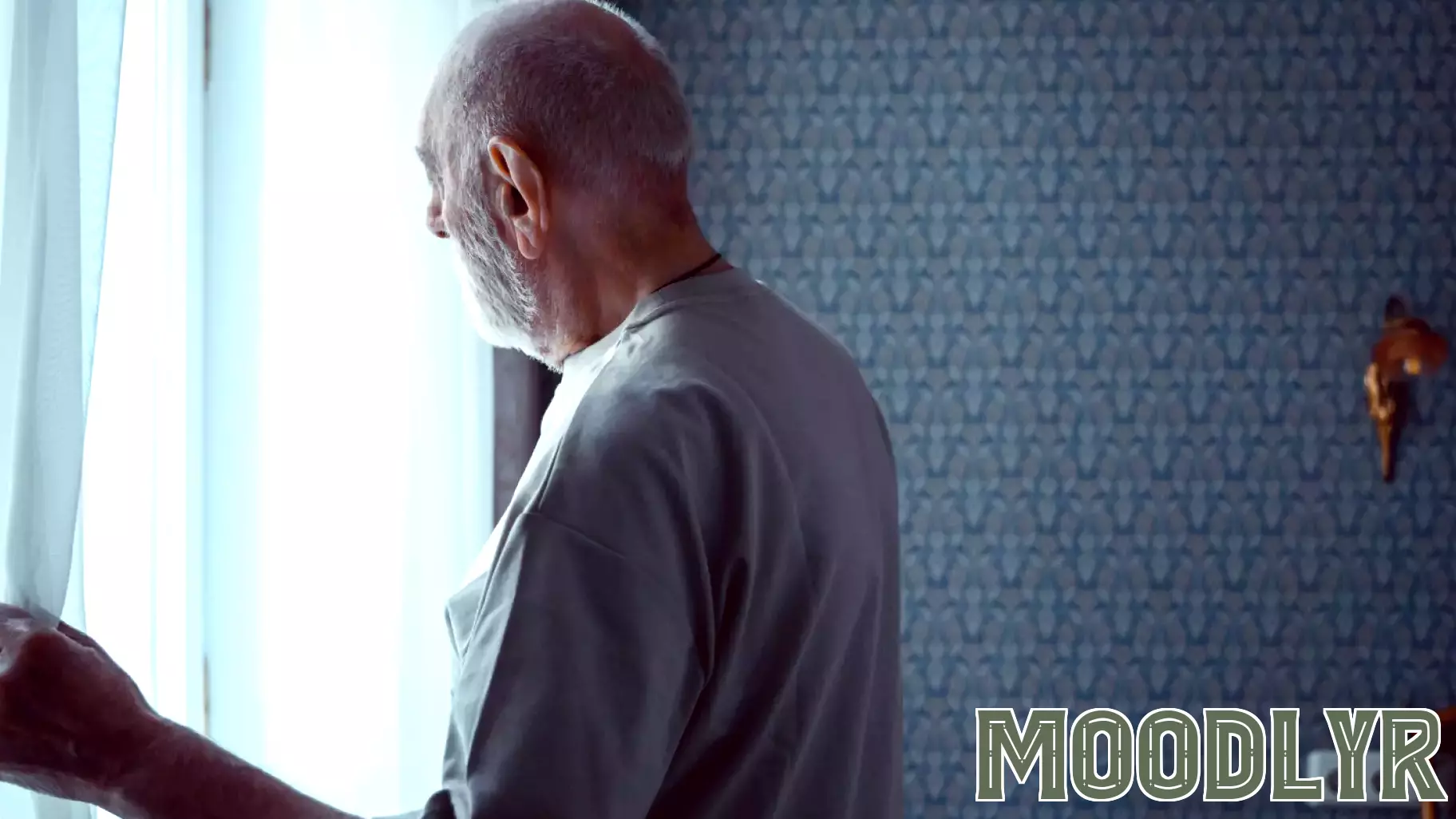
A common assumption about aging is that social circles inevitably shrink due to a loss of social skills or fading relevance. However, a more nuanced psychological perspective suggests this isn't a deficit, but often a deliberate, if difficult, choice. Research indicates that many people who become lonelier as they get older aren't losing their ability to connect; they are losing their patience for relationships that lack depth and meaning.
As time becomes a more precious commodity, the tolerance for obligatory small talk, draining interactions, and unfulfilling social obligations diminishes significantly. The drive for authentic connection intensifies, making superficial engagements feel increasingly empty and costly. This shift represents a refining of social priorities, not a failure to maintain them. Individuals consciously choose to invest their finite emotional energy only in bonds that provide genuine sustenance, mutual respect, and intellectual or emotional reciprocity.
Consequently, the resulting loneliness is not merely a side effect, but sometimes the acknowledged price of this refusal to settle. It is the space created by letting go of connections that no longer serve personal growth or well-being. An older adult can have fewer friends than they did decades ago as a perfectly rational edit of their social world. They can also feel lonelier than ever because of that same conscious curation, existing in the poignant gap between the abundance of shallow contact and the scarcity of profound companionship. This loneliness, while painful, can be a testament to a continued, perhaps heightened, valuation of what truly makes a relationship worthwhile.
MORE NEWS
August 9, 2026 - 01:27
Maybe You're Not Breaking Down. Maybe You're MoltingThere is a moment in the life of a bird when the old feathers stop serving their purpose. They are frayed, worn, and heavy with the dust of past flights. The bird does not panic. It does not call...

August 8, 2026 - 09:09
St. Petersburg psychologist shares advice for long-term health improvementsClinical psychologist Dr. Elizabeth Bendick in St. Petersburg is pushing back against the idea that better health requires a complete life reset. Instead, she argues that lasting improvement comes...
August 7, 2026 - 23:43
Palm Beach County Youth Services Department Psychology Training Program Celebrates Recent Graduates and 10-Year APA Accreditation RenewalBoca Raton, FL - The Youth Services Department is celebrating a significant achievement this week as it honors the latest cohort of psychology trainees while also marking a decade of continued...

August 7, 2026 - 02:38
How Much Do We Really Want to Know About UFOs?The question of what happens when we finally get a clear answer about unidentified flying objects is rarely asked. We assume we want the truth, but the evidence from disaster psychology,...