Psychology says people who grieve a pet more intensely than they've grieved some relatives aren't being dramatic — the bond activates these 7 attachment pathways that human relationships often can't access, and the grief is unfiltered because the love was
March 7, 2026 - 19:19
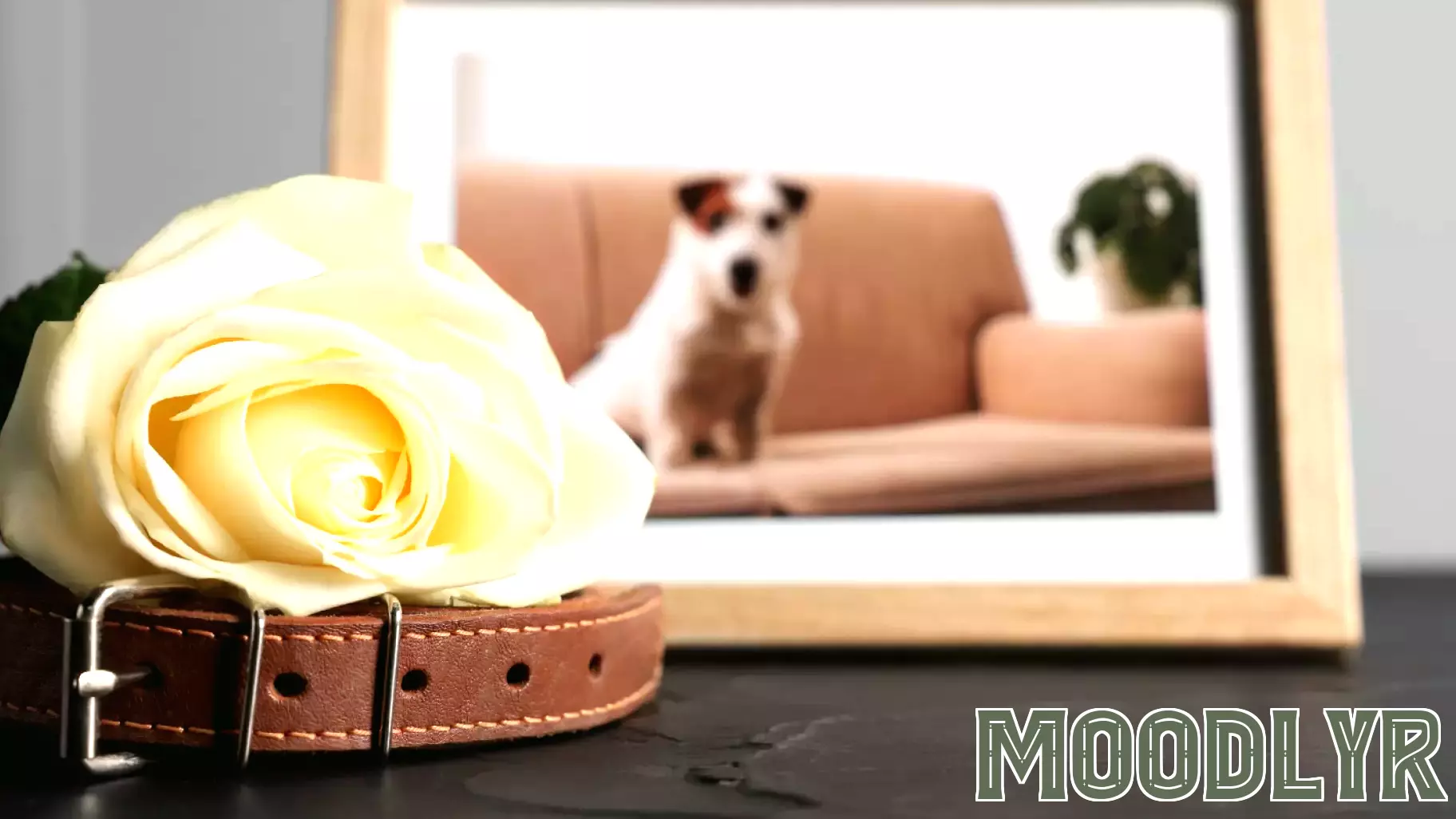
The intense sorrow felt after losing a pet is not an overreaction, but a testament to a uniquely powerful bond. Psychological research explains that grieving a pet more acutely than some relatives is not being dramatic. Instead, it is a natural response to a relationship that activates profound attachment pathways in the human brain, pathways that human relationships often cannot access in the same way.
The human-animal bond is built on consistency, unconditional positive regard, and a lack of judgment. This creates a safe, simple attachment that bypasses the complexities and conditional aspects of many human interactions. Pets offer a source of comfort and emotional security that is remarkably pure and constant.
Consequently, when that bond is broken, the grief is unfiltered. There is no societal script to minimize the loss, no complicated history to temper the sadness—just the raw absence of a steadfast companion. This love, free from ego and conflict, leaves a uniquely shaped void. The pain is valid because the connection was built on these seven core attachment pathways: safety, security, consistency, tactile comfort, nonverbal communication, unconditional acceptance, and a simplicity of purpose. This explains why the heartache can feel so overwhelming and profound, a direct reflection of the uncomplicated love that was shared.
MORE NEWS

July 20, 2026 - 23:52
The 36 Questions That Made Strangers Feel Like Lifelong FriendsIn 1997, psychologist Arthur Aron designed an experiment at Stony Brook University with a deceptively simple goal: could two strangers be made to feel close in under an hour? The answer, it turned...
July 20, 2026 - 00:20
The American Psychological Association's Campus CrusadeA growing number of critics argue that the American Psychological Association has transformed from a scientific body into a political advocacy machine on college campuses. Rather than focusing on...

July 19, 2026 - 03:10
Building New Opportunities in Forensic Chemistry and Criminal Psychology - The Babak LabA research initiative known as the Babak Lab is carving out a distinct space at the intersection of hard science and human behavior. The lab is focused on expanding the practical applications of...

July 18, 2026 - 02:09
Psychology says people who ask a lot of questions while watching a movie aren't distracted: What this behaA new look at an old movie theater annoyance suggests that the person whispering questions in your ear might not be trying to ruin the film. According to recent psychological research, viewers who...