The Death of the Dating App
May 11, 2026 - 09:00
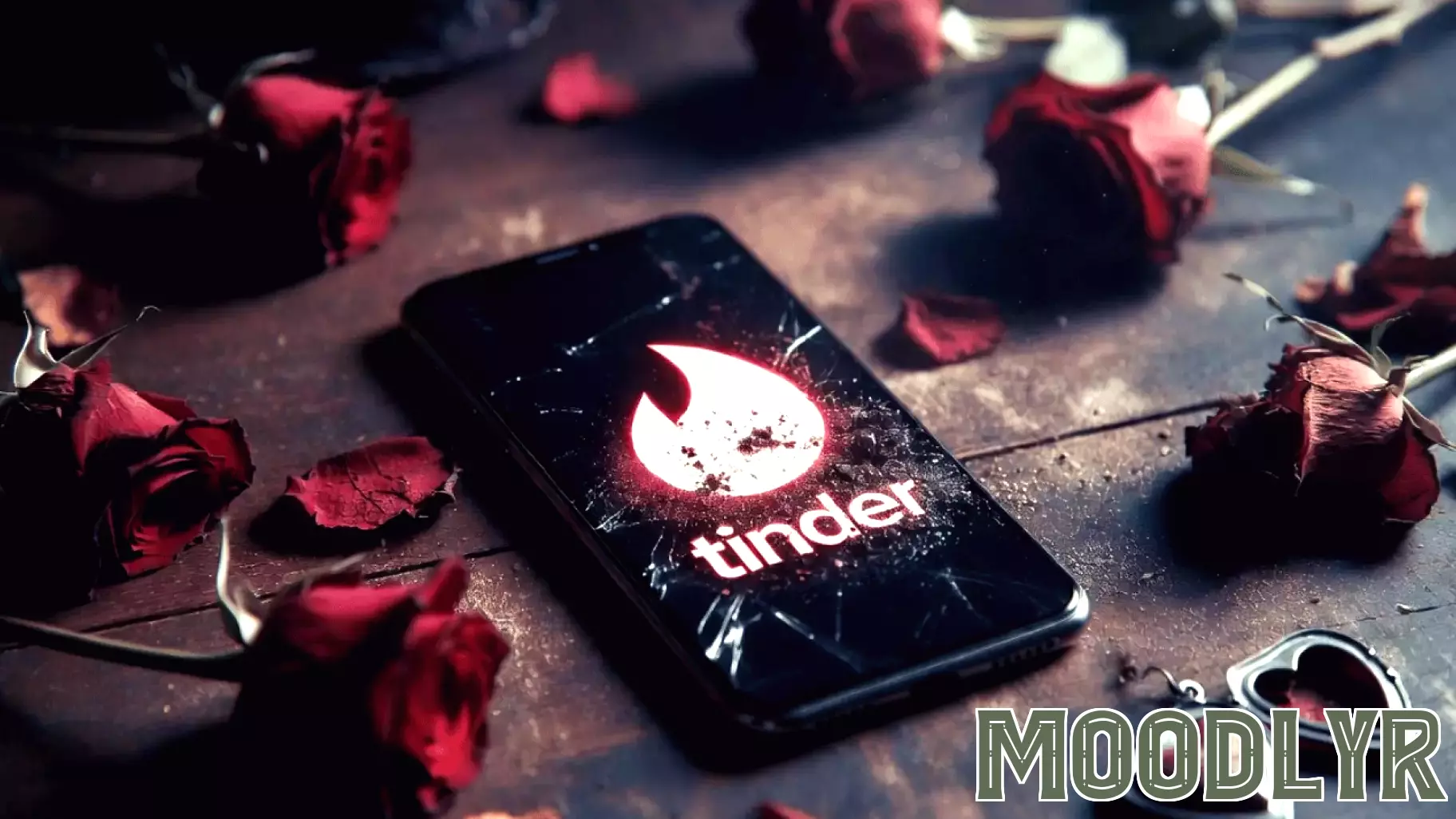
After nearly a decade of dominance, the era of the dating app appears to be winding down. Once hailed as a revolutionary way to find love, platforms like Tinder, Bumble, and Hinge are now facing a growing wave of user fatigue and dissatisfaction. Industry reports show declining download numbers and a sharp drop in paying subscribers, particularly among younger demographics who are increasingly turning to real-world social settings or alternative digital spaces.
Evolutionary psychology offers a compelling explanation for this shift. The core premise of these apps-rapid, visual assessment of potential partners-directly clashes with deep-seated human mating strategies. Research suggests that our brains are wired for slower, context-rich courtship, where trust and compatibility are built through shared experiences, body language, and vocal tone. The swipe mechanic, which reduces a person to a single photo and a few lines of text, triggers a shallow, consumer-like evaluation. This leads to a paradox of choice: users feel overwhelmed by endless options, making commitment harder rather than easier.
the asymmetry of effort on these platforms is a major source of frustration. Men often face a scarcity of matches and invest significant time in crafting messages that go unanswered, while women are frequently inundated with low-effort greetings or outright harassment. This dynamic creates a negative feedback loop. Users report feeling more lonely and anxious after using the apps, not less. The promise of efficiency has instead delivered a sterile, transactional experience that often leaves people feeling more disconnected than before. As a result, many are simply opting out, choosing to meet people through hobbies, mutual friends, or even old-fashioned chance encounters. The dating app, it seems, may have been a solution to a problem it ultimately helped create.
MORE NEWS
August 9, 2026 - 01:27
Maybe You're Not Breaking Down. Maybe You're MoltingThere is a moment in the life of a bird when the old feathers stop serving their purpose. They are frayed, worn, and heavy with the dust of past flights. The bird does not panic. It does not call...
August 8, 2026 - 09:09
St. Petersburg psychologist shares advice for long-term health improvementsClinical psychologist Dr. Elizabeth Bendick in St. Petersburg is pushing back against the idea that better health requires a complete life reset. Instead, she argues that lasting improvement comes...
August 7, 2026 - 23:43
Palm Beach County Youth Services Department Psychology Training Program Celebrates Recent Graduates and 10-Year APA Accreditation RenewalBoca Raton, FL - The Youth Services Department is celebrating a significant achievement this week as it honors the latest cohort of psychology trainees while also marking a decade of continued...
August 7, 2026 - 02:38
How Much Do We Really Want to Know About UFOs?The question of what happens when we finally get a clear answer about unidentified flying objects is rarely asked. We assume we want the truth, but the evidence from disaster psychology,...