The Evolution of Brain and Intelligence
March 15, 2026 - 00:46
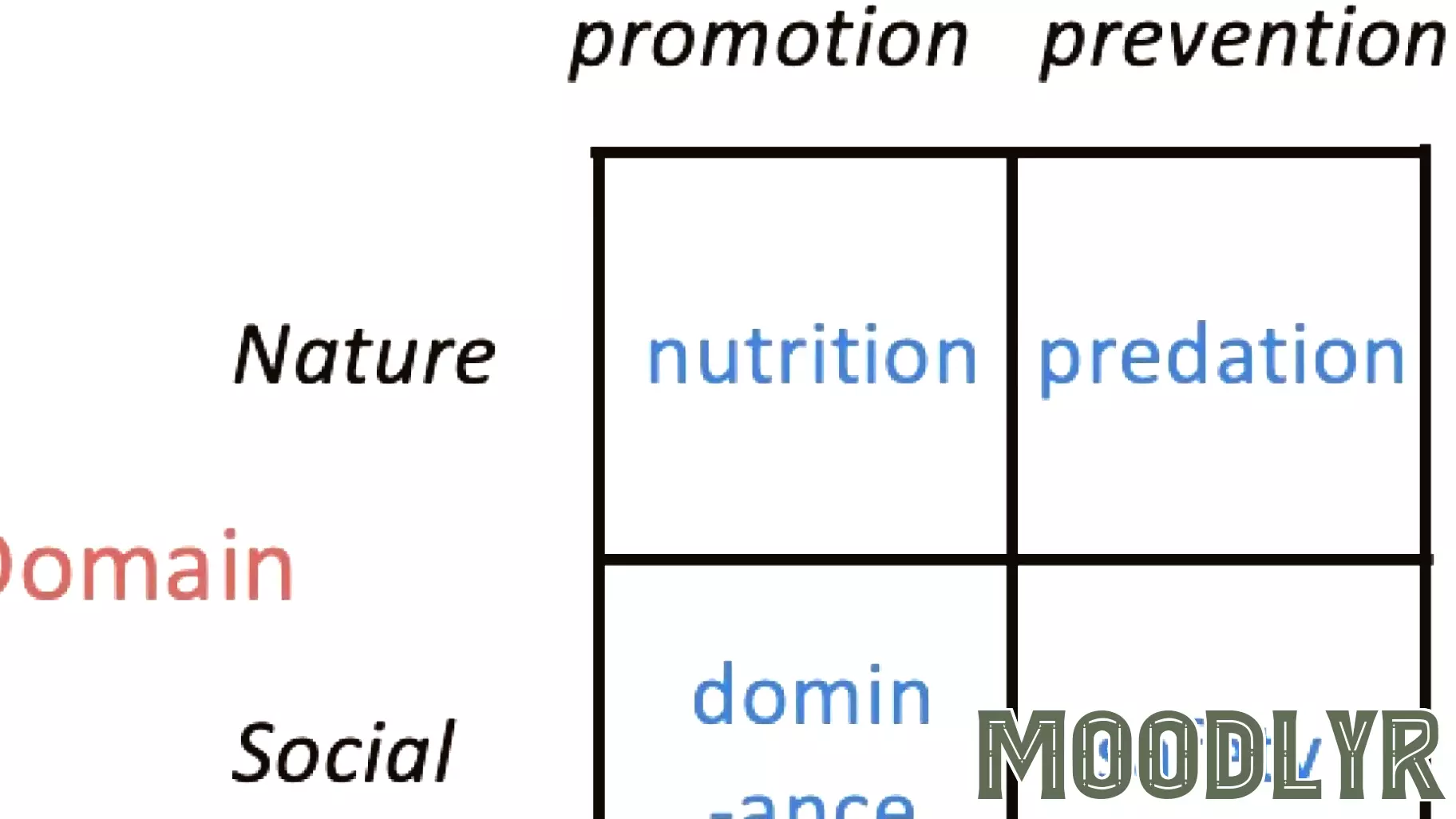
The extraordinary capabilities of the human brain were not born in a vacuum. Over deep evolutionary time, two fundamental drives—the need to find food and the imperative for social connection—acted as the primary architects of our complex minds.
The relentless challenge of securing nourishment pushed early humans to develop advanced cognitive tools. This required sophisticated problem-solving, spatial memory for locating resources, and the ability to plan and execute hunting strategies. These pressures favored brains capable of innovation and foresight, laying a critical foundation for intelligence.
Simultaneously, the necessity of living and cooperating within groups presented an equally powerful evolutionary force. Navigating intricate social landscapes demanded empathy, communication, language, and the ability to understand alliances and rivalries. This "social brain hypothesis" suggests that the complexities of interpersonal relationships were a major driver in expanding our cognitive capacity, fostering emotional intelligence and cultural learning.
Ultimately, the modern human mind stands as a testament to this dual inheritance. It is a powerful system forged equally by the practical demands of the physical world and the nuanced complexities of the social world, intertwining logic with empathy to create our unique form of intelligence.
MORE NEWS

July 28, 2026 - 03:49
Scrolling Your Camera Roll at Night Isn't Nostalgia. Psychology Says It's a Search for Proof Your Life Is Real.You lie in bed, thumb drifting upward, and suddenly you are three hours deep into your own camera roll. It feels like nostalgia - a soft, sentimental swim through past vacations, old dinners,...

July 27, 2026 - 03:40
Psychology says people who dress up extravagantly for office aren't showing off: What this workplace behavA new look at workplace psychology suggests that employees who dress in bold or extravagant styles are not simply trying to impress their bosses or outshine their coworkers. Instead, researchers...

July 25, 2026 - 17:47
Rethinking Mental Health: From Self-Care to Systemic Solutions in the WorkplaceAcross various industries, including law, medicine, construction, and aviation, there is a noticeable shift in how mental health is approached. Rather than solely focusing on individual self-care...
July 24, 2026 - 09:20
The psychological power of naming legislation after victimsLawmakers have long used the names of tragedy victims to brand new legislation, from Amber Alerts to the Brady Bill. A recent psychology study now explains why this strategy works so well....