The Irresistible Pull of Limited-Time Menu Items
March 5, 2026 - 18:03
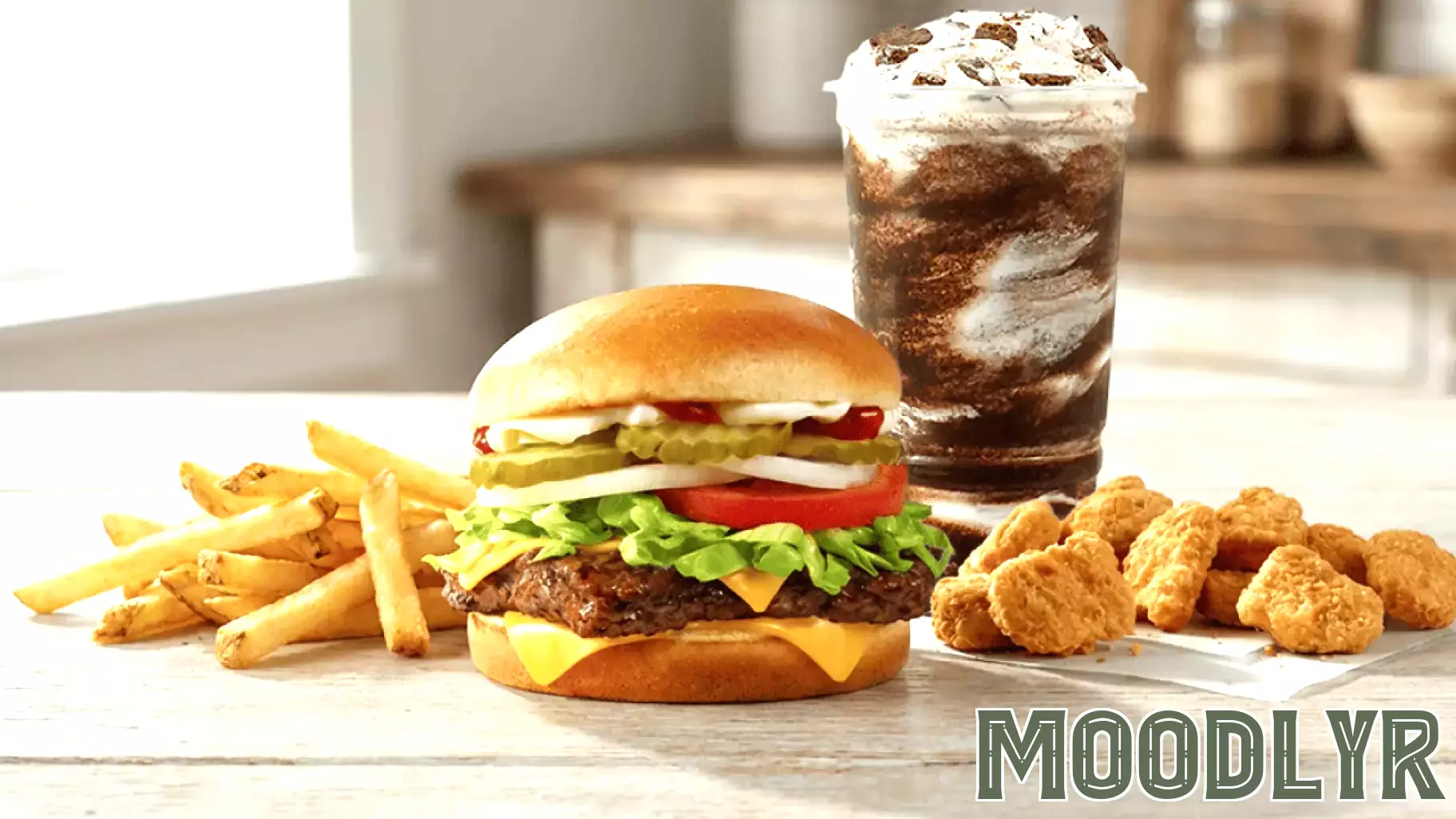
The fleeting nature of a limited-time restaurant offer is a powerful sales tool, expertly tapping into deep-seated consumer psychology. The success of these promotions hinges primarily on the potent fear of missing out, commonly known as FOMO. When an item is branded as available "for a limited time only," it creates an immediate sense of urgency, transforming a casual craving into a perceived necessity before the opportunity vanishes.
Furthermore, these offers often leverage nostalgia, bringing back beloved menu items from the past. This strategy does more than just sell a product; it evokes positive memories and emotional connections, making the return of a discontinued favorite a highly anticipated event. The combination of scarcity and sentiment is a compelling one, driving customers to act quickly to relive a taste of the past.
For restaurants, this approach is a proven winner. It generates significant buzz on social media, drives foot traffic during specific promotional periods, and creates a cycle of anticipation for what might return next. Ultimately, the strategy cleverly turns ordinary menu items into must-have experiences, demonstrating that what we can’t always have is often what we desire most.
MORE NEWS

July 19, 2026 - 03:10
Building New Opportunities in Forensic Chemistry and Criminal Psychology - The Babak LabA research initiative known as the Babak Lab is carving out a distinct space at the intersection of hard science and human behavior. The lab is focused on expanding the practical applications of...

July 18, 2026 - 02:09
Psychology says people who ask a lot of questions while watching a movie aren't distracted: What this behaA new look at an old movie theater annoyance suggests that the person whispering questions in your ear might not be trying to ruin the film. According to recent psychological research, viewers who...

July 17, 2026 - 09:05
I'm WEIRD, it turns out, and so is almost everyone psychology has ever studied — a narrow twelve percent of humanity whose responses somehow came to stand in for everything we think we know about the human mindIt turns out I am WEIRD. That is not an insult, but a label psychologists use for a very specific group of people. WEIRD stands for Western, Educated, Industrialized, Rich, and Democratic. It...
July 16, 2026 - 21:34
Psychology says people who feel like breaking things when they're angry may be responding to frustration aA new look at anger suggests that the urge to break objects when frustrated is not a sign of violence, but a natural response to emotional overload. Psychology researchers note that many people...