The Power of the Pause: Why Daily Reflection Boosts Effectiveness
June 16, 2026 - 10:28
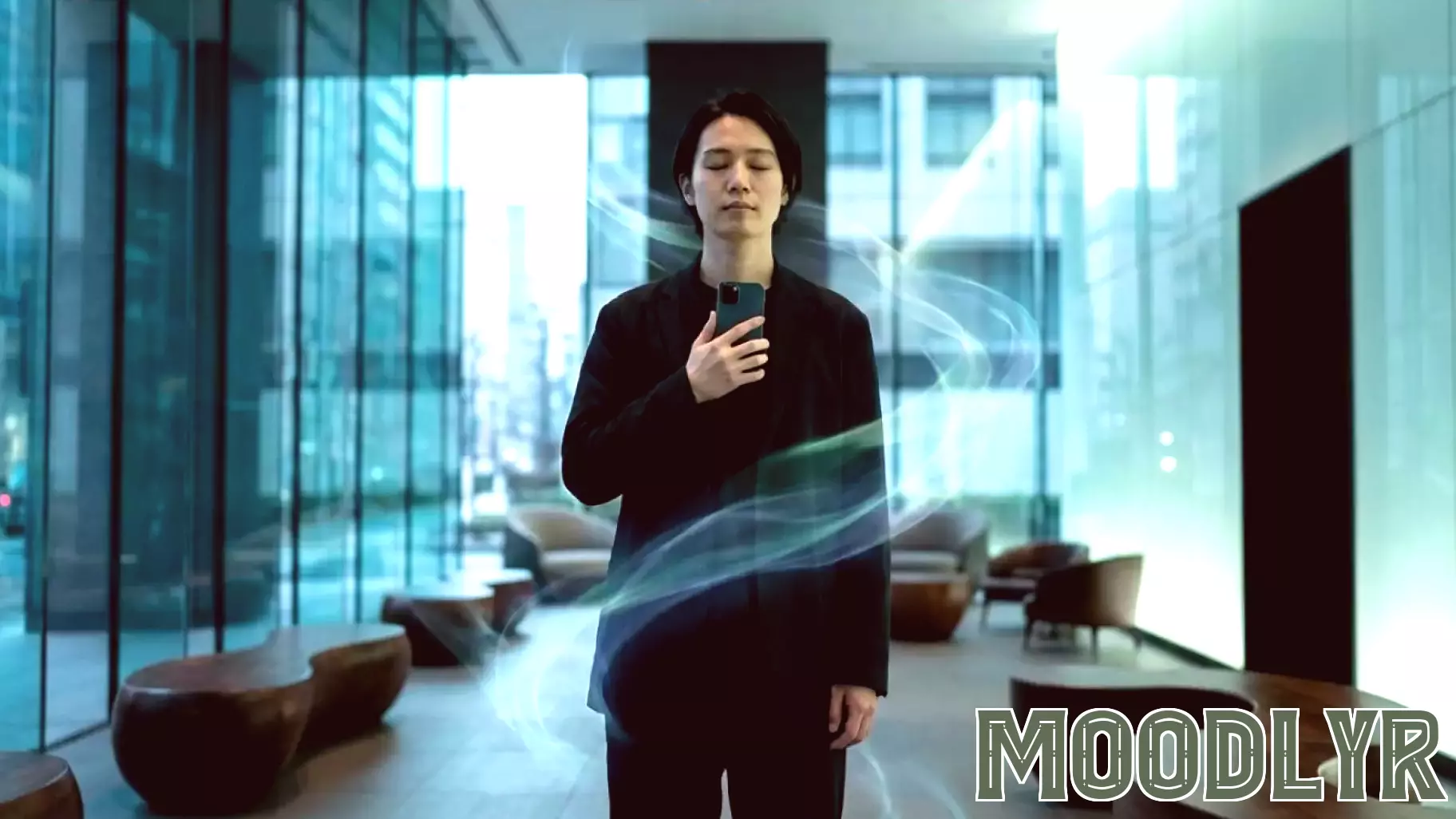
In a world that glorifies constant motion and relentless productivity, a growing body of workplace research suggests the opposite approach may be more effective. Taking time each day to intentionally pause, both at work and in personal life, is emerging as a key strategy for sustainable performance.
The concept is simple but counterintuitive. Instead of filling every spare moment with tasks, notifications, or scrolling, individuals are encouraged to stop and engage in genuine introspection. This is not about passive daydreaming or procrastination. It is an active, deliberate practice of stepping back to consider what is working, what is not, and why.
Inside the workplace, these pauses can take many forms. A five-minute break between meetings to jot down key takeaways. A quiet walk around the block to process a difficult problem. Or simply sitting at a desk with eyes closed, reviewing the morning's decisions before lunch. Outside of work, the practice might involve journaling, meditation, or a technology-free evening routine that allows the mind to settle.
The benefits are backed by cognitive science. The brain's default mode network, which activates during restful waking states, is crucial for creativity, memory consolidation, and self-awareness. Constant external stimulation suppresses this network. By intentionally pausing, people give their brains the space to connect disparate ideas, learn from past experiences, and reset emotional balance.
Critics might argue that pausing is a luxury in high-pressure environments. However, proponents note that even brief, regular intervals of reflection can prevent burnout and improve decision-making. A leader who pauses before responding to a difficult email often chooses a wiser course. A developer who steps away from a buggy code often returns with a fresh solution.
the practice is about reclaiming agency over one's attention. In a culture that demands constant output, the most effective people are learning that sometimes, doing less allows them to achieve more. The pause is not a waste of time. It is an investment in clarity.
MORE NEWS

July 31, 2026 - 02:10
Psychologist breaks down how the Odyssey explores traumaActor Matt Damon`s recent portrayal of Odysseus has sparked a fresh conversation among mental health professionals about the ancient epic`s relevance to modern psychological struggles. One...

July 30, 2026 - 10:01
Opinion | Psychologists Can Measure a SmileHappiness research has long been dismissed as soft science, but a growing body of work suggests that even something as fleeting as a smile can be measured with surprising precision. Psychologists...

July 29, 2026 - 17:07
Even Having a Phone in Their Pocket Hurts Kids' GradesNew research suggests that simply owning a cell phone can drag down a student`s test scores, even if the phone stays in their backpack all day. The study adds a fresh layer to the ongoing debate...

July 29, 2026 - 09:00
Psychology says older parents who rarely ask their children for anything aren't being independent, they learned early that needing something out loud was the fastest way to become a burdenA quiet pattern emerges in many aging families: the parent who insists they need nothing. They refuse offers of help, deflect concern, and handle every problem alone. At first glance, this looks...