Psychology says older parents who rarely ask their children for anything aren't being independent, they learned early that needing something out loud was the fastest way to become a burden
July 29, 2026 - 09:00
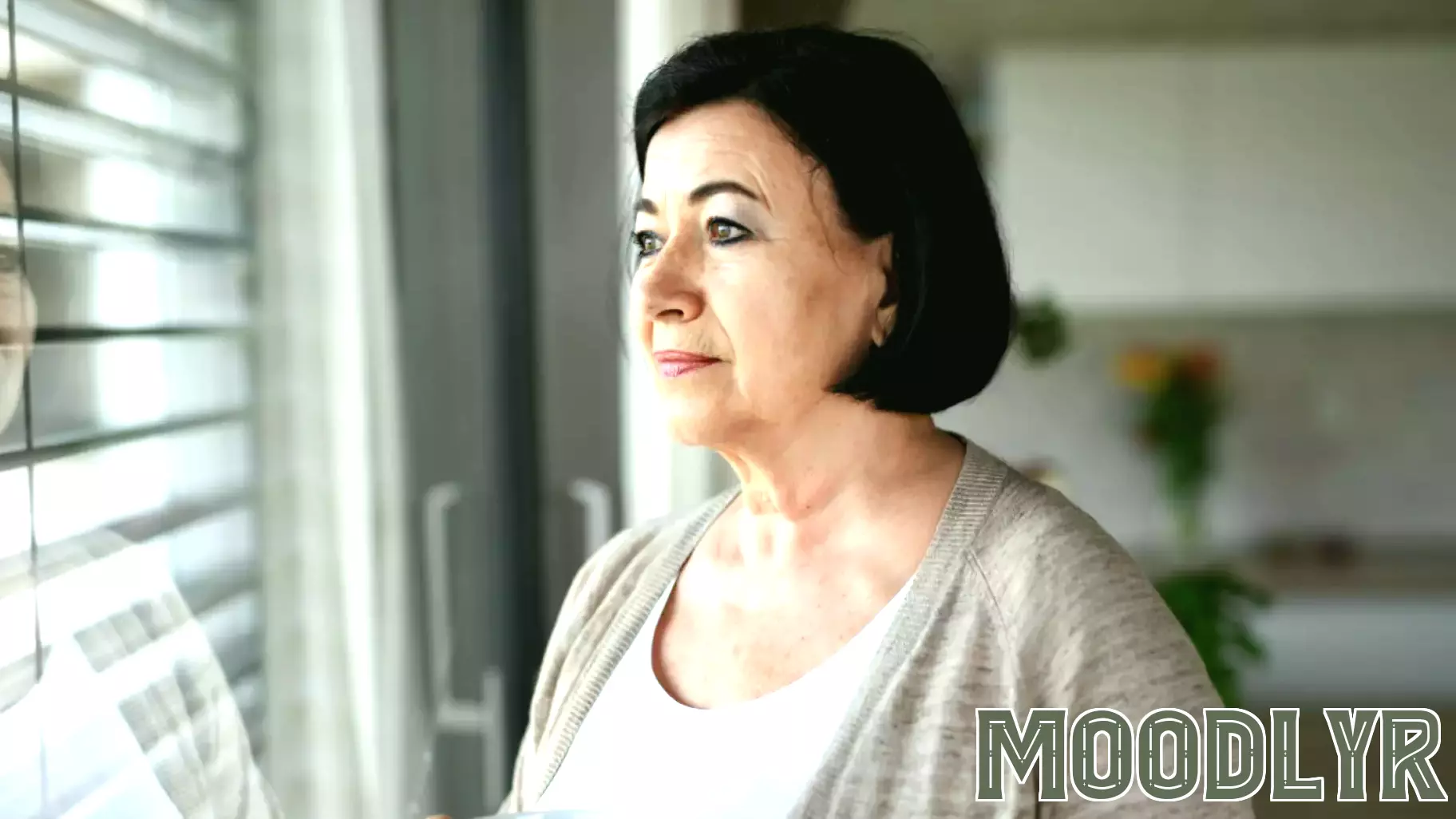
A quiet pattern emerges in many aging families: the parent who insists they need nothing. They refuse offers of help, deflect concern, and handle every problem alone. At first glance, this looks like admirable independence. But psychology suggests a deeper, more painful truth. Many older parents learned early in life that expressing a need was dangerous. Asking for anything out loud, they discovered, was the fastest way to become a burden.
This behavior is not about strength. It is about survival. When a child grows up in an environment where their needs are met with resentment, impatience, or outright refusal, they internalize a harsh lesson: wanting something from others makes you a problem. That lesson does not disappear with age. It hardens into a lifelong rule. By the time they are elderly, the rule is automatic. They will struggle with a broken step rather than ask for a ride. They will skip meals rather than request a grocery run. They will hide pain rather than risk being a nuisance.
The irony is that this self-silencing often backfires. The parent who never asks for help may end up in a crisis that forces far more disruption than a simple request would have caused. A fall, a hospitalization, a financial emergency. Suddenly the family is scrambling, guilt-ridden, and confused. They thought their parent was fine. They were never told otherwise.
Breaking this cycle requires more than offering help. It requires creating a space where asking feels safe. Adult children can start by normalizing small requests. "Can you grab that for me?" or "I need your opinion on this." When parents see that giving help does not make them a burden, they may eventually learn to receive it. But the lesson takes years to unlearn. And for many, the silence has already become their only comfort.
MORE NEWS

July 28, 2026 - 21:22
Commonwealth Games 2026: Bahamian swimmer Lamar Taylor puts his psychology degree to work in the poolBahamian swimmer Lamar Taylor is taking a unique approach to his training for the 2026 Commonwealth Games. The 23-year-old, who is currently pursuing a degree in psychology, told Olympics.com that...

July 28, 2026 - 03:49
Scrolling Your Camera Roll at Night Isn't Nostalgia. Psychology Says It's a Search for Proof Your Life Is Real.You lie in bed, thumb drifting upward, and suddenly you are three hours deep into your own camera roll. It feels like nostalgia - a soft, sentimental swim through past vacations, old dinners,...

July 27, 2026 - 03:40
Psychology says people who dress up extravagantly for office aren't showing off: What this workplace behavA new look at workplace psychology suggests that employees who dress in bold or extravagant styles are not simply trying to impress their bosses or outshine their coworkers. Instead, researchers...

July 25, 2026 - 17:47
Rethinking Mental Health: From Self-Care to Systemic Solutions in the WorkplaceAcross various industries, including law, medicine, construction, and aviation, there is a noticeable shift in how mental health is approached. Rather than solely focusing on individual self-care...