Rethinking Mental Health: From Self-Care to Systemic Solutions in the Workplace
July 25, 2026 - 17:47
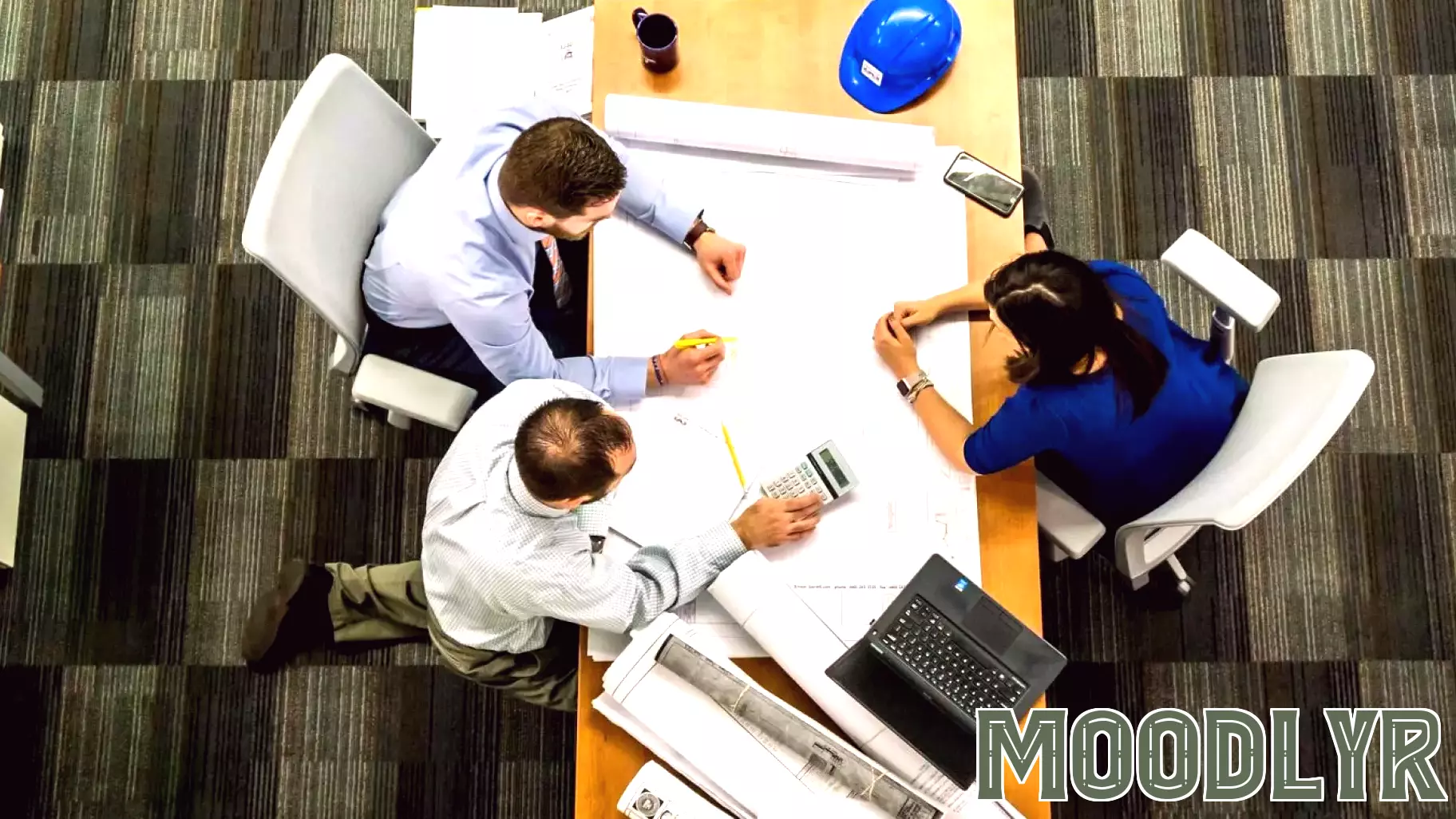
Across various industries, including law, medicine, construction, and aviation, there is a noticeable shift in how mental health is approached. Rather than solely focusing on individual self-care strategies, organizations are beginning to recognize the importance of creating healthier systems that support mental well-being.
This change comes in response to growing awareness of the mental health challenges faced by employees. Many workplaces are now implementing comprehensive strategies that prioritize mental health at the organizational level. This includes fostering open communication, providing access to mental health resources, and creating supportive environments that encourage employees to seek help without stigma.
By addressing mental health as a systemic issue, companies aim to reduce burnout, improve job satisfaction, and enhance overall productivity. This proactive approach not only benefits employees but also contributes to a more resilient and effective workforce. As the conversation around workplace mental health evolves, it is clear that a collective effort is essential for lasting change.
MORE NEWS
July 24, 2026 - 09:20
The psychological power of naming legislation after victimsLawmakers have long used the names of tragedy victims to brand new legislation, from Amber Alerts to the Brady Bill. A recent psychology study now explains why this strategy works so well....

July 23, 2026 - 19:18
Why You Whisper in Empty Churches and Libraries Without ThinkingYou step into a vast, silent library or an empty stone church, and without a second thought, your voice drops to a whisper. It feels automatic, almost involuntary. Many people assume this is just...

July 23, 2026 - 12:29
The Hidden Needs Behind Constant ComplainingPsychology suggests that people who complain all the time are not simply negative by nature. Instead, their complaints often signal deeper unmet needs that remain unspoken. When someone gripes...

July 22, 2026 - 19:43
Psychology says the little thank-you wave between drivers isn't a reflex — it's the last universally understood sentence on the roadYou do it without thinking. Another driver lets you merge, and your hand lifts from the wheel in a quick, casual wave. It feels automatic, like a reflex. But psychology suggests it is something...