Why You Whisper in Empty Churches and Libraries Without Thinking
July 23, 2026 - 19:18
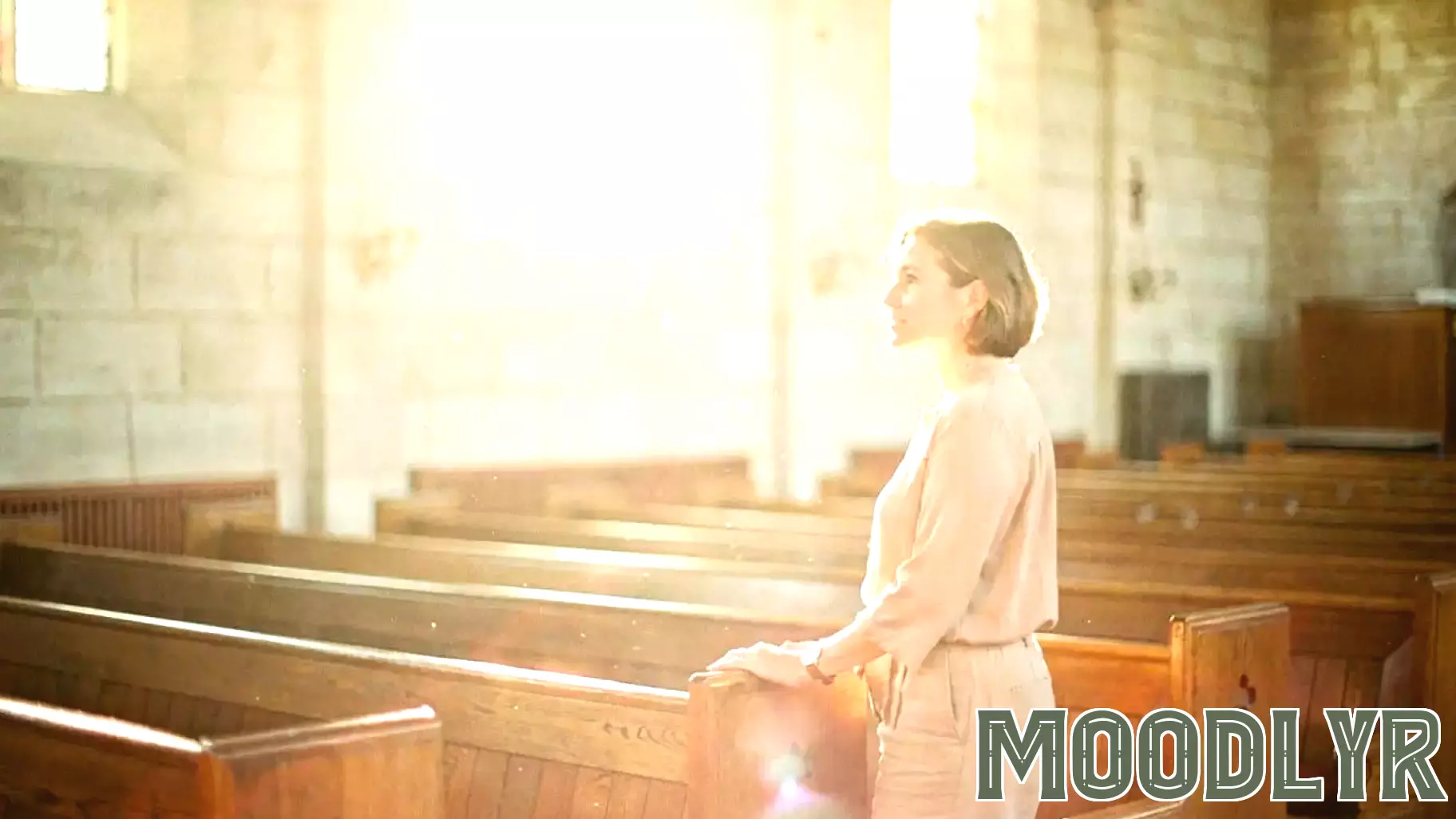
You step into a vast, silent library or an empty stone church, and without a second thought, your voice drops to a whisper. It feels automatic, almost involuntary. Many people assume this is just politeness or a learned social performance. But psychology suggests something far deeper is at work.
The room itself is speaking to a very old part of your brain. Researchers point to what is sometimes called the "cathedral effect" or the influence of vast, quiet spaces on our neurobiology. High ceilings and profound silence trigger a sense of awe, a feeling that has deep evolutionary roots. Awe is the emotion we feel when we encounter something vast and mysterious that challenges our normal frame of reference. For our ancestors, this might have been a massive canyon, a thunderstorm, or a star-filled sky. In a modern church or library, the architecture mimics that scale and stillness.
Your lowered voice is not a conscious choice about etiquette. It is a primal response to the space's perceived power and sacredness. The quietness of the room amplifies every sound, making you hyper-aware of your own presence. Your brain instinctively tries to avoid disrupting the perceived order or "spirit" of the place. You are not performing for others. You are responding to an ancient cue that says: be still, be small, listen. The room is not empty. It is full of something that predates language itself.
MORE NEWS

July 23, 2026 - 12:29
The Hidden Needs Behind Constant ComplainingPsychology suggests that people who complain all the time are not simply negative by nature. Instead, their complaints often signal deeper unmet needs that remain unspoken. When someone gripes...

July 22, 2026 - 19:43
Psychology says the little thank-you wave between drivers isn't a reflex — it's the last universally understood sentence on the roadYou do it without thinking. Another driver lets you merge, and your hand lifts from the wheel in a quick, casual wave. It feels automatic, like a reflex. But psychology suggests it is something...

July 22, 2026 - 16:43
Canine Science Is Biased Toward the Western WorldA new study highlights a significant blind spot in the field of canine science: most research on domestic dogs focuses on a narrow, Westernized subset of the global population. The findings suggest...

July 21, 2026 - 19:50
Pettyjohn bill expands Delaware’s mental health workforceGovernor Matt Meyer signed Senate Substitute 1 for Senate Bill 208 into law on June 24, marking a bipartisan effort to address the state`s shortage of mental health professionals. The legislation,...