The psychological power of naming legislation after victims
July 24, 2026 - 09:20
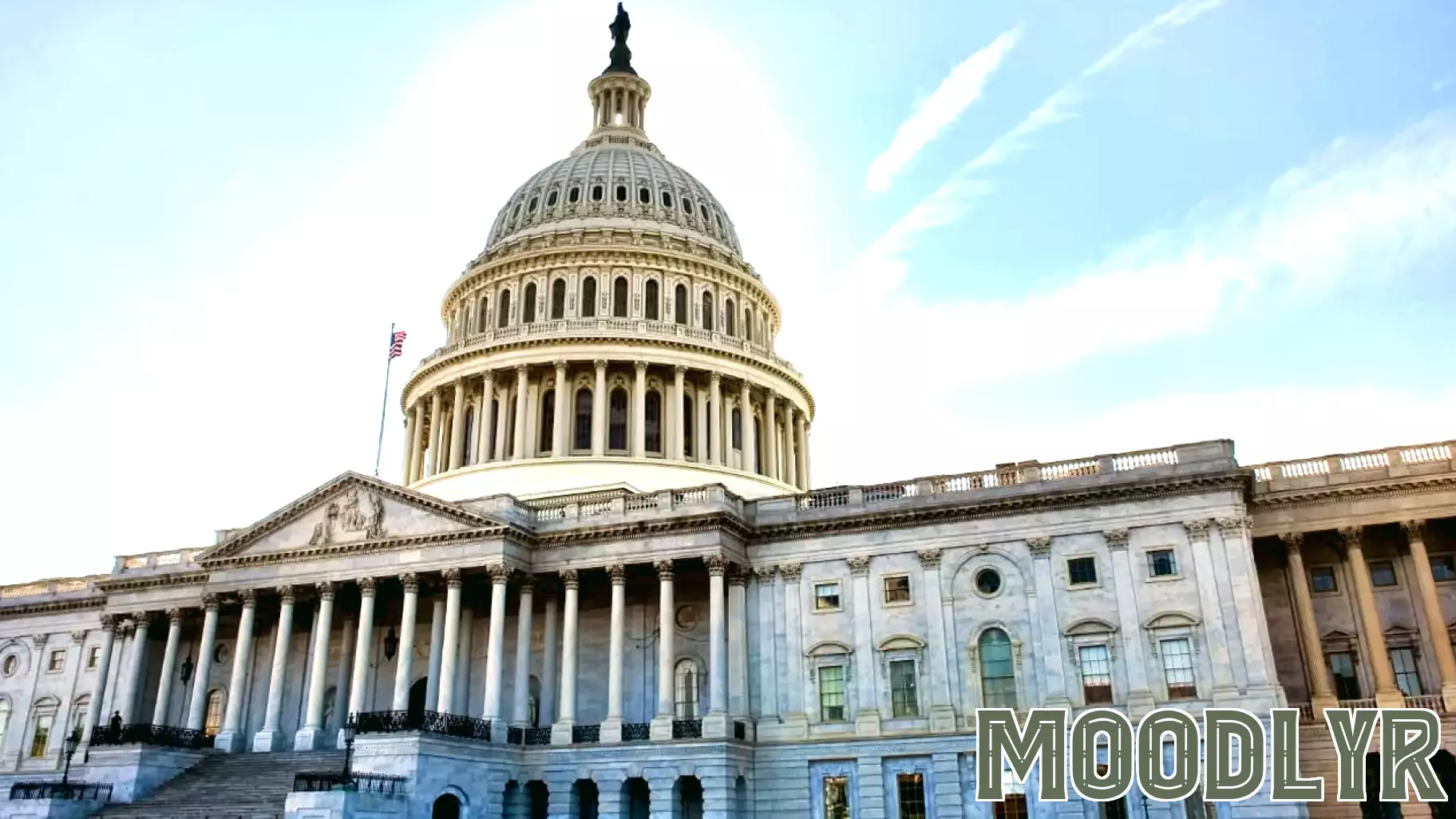
Lawmakers have long used the names of tragedy victims to brand new legislation, from Amber Alerts to the Brady Bill. A recent psychology study now explains why this strategy works so well. Researchers found that attaching a personal story to a proposed law reliably increases voter approval, and the driving force is simple human sympathy.
The study presented participants with descriptions of hypothetical policies. Some versions included the name and story of a specific victim, while others described the same policy in abstract terms. Across multiple tests, the named versions consistently received higher support. The effect was not small. Even when participants learned that the victim's story might be used strategically, their approval did not drop significantly.
The researchers argue that a victim's name acts as a mental shortcut. Instead of weighing complex trade-offs, voters focus on one person's suffering. This emotional response overrides more analytical thinking. The result is a powerful tool for passing laws, but it also raises questions. Critics point out that naming laws after victims can shut down debate. Opposing a bill named for a dead child feels like opposing the child themselves.
The study's authors caution that this tactic is not inherently bad. It can draw attention to real problems and honor those who died. But they warn that the same psychological mechanism can be used to push through poorly designed policies. Voters, they suggest, should pause and ask whether the law itself is sound, not just whether the victim's story is moving.
MORE NEWS

July 23, 2026 - 19:18
Why You Whisper in Empty Churches and Libraries Without ThinkingYou step into a vast, silent library or an empty stone church, and without a second thought, your voice drops to a whisper. It feels automatic, almost involuntary. Many people assume this is just...

July 23, 2026 - 12:29
The Hidden Needs Behind Constant ComplainingPsychology suggests that people who complain all the time are not simply negative by nature. Instead, their complaints often signal deeper unmet needs that remain unspoken. When someone gripes...

July 22, 2026 - 19:43
Psychology says the little thank-you wave between drivers isn't a reflex — it's the last universally understood sentence on the roadYou do it without thinking. Another driver lets you merge, and your hand lifts from the wheel in a quick, casual wave. It feels automatic, like a reflex. But psychology suggests it is something...

July 22, 2026 - 16:43
Canine Science Is Biased Toward the Western WorldA new study highlights a significant blind spot in the field of canine science: most research on domestic dogs focuses on a narrow, Westernized subset of the global population. The findings suggest...