Psychology says people who dress up extravagantly for office aren't showing off: What this workplace behav
July 27, 2026 - 03:40
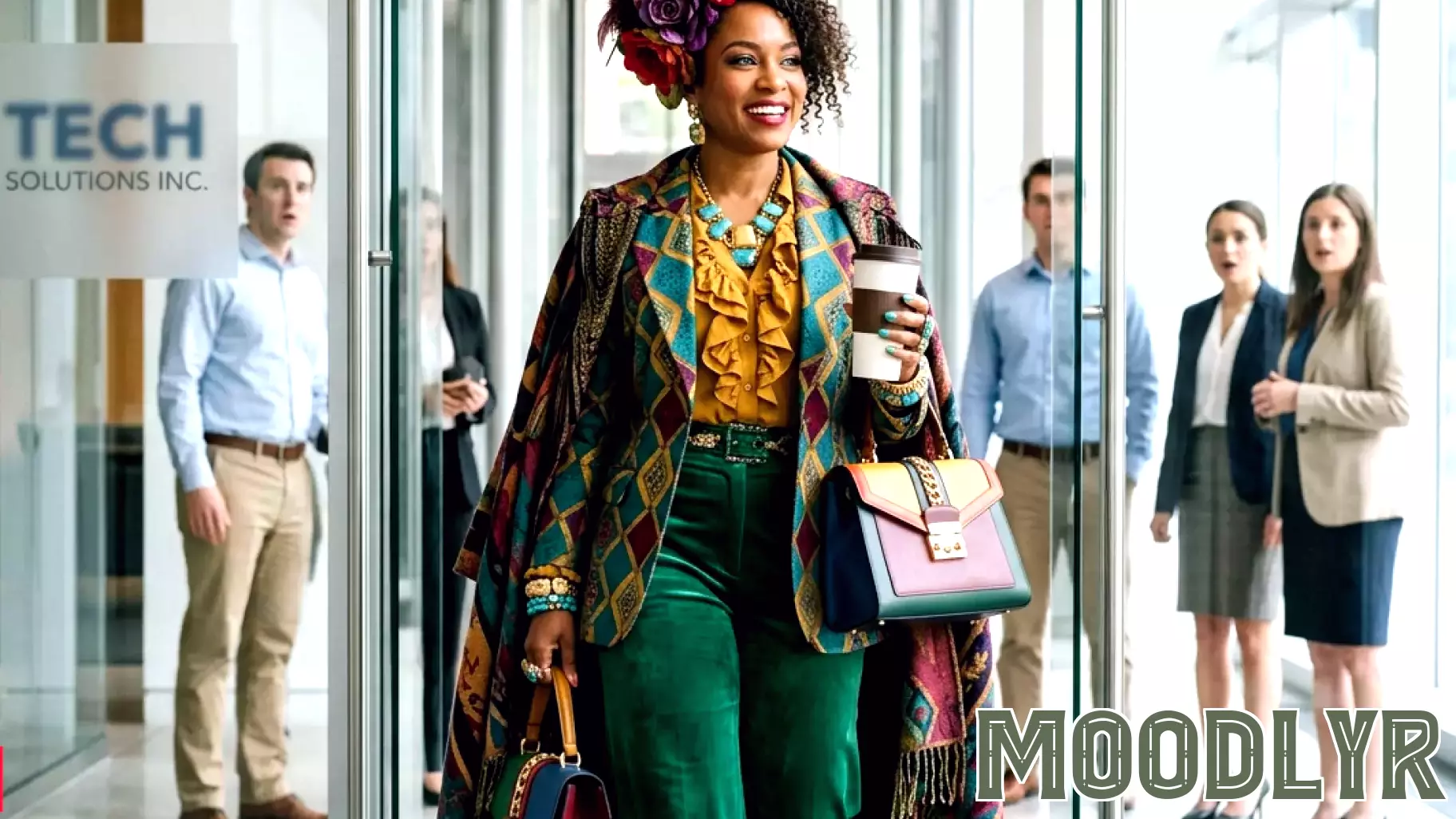
A new look at workplace psychology suggests that employees who dress in bold or extravagant styles are not simply trying to impress their bosses or outshine their coworkers. Instead, researchers point to a range of deeper motivations tied to identity, confidence, and personal expression.
According to psychologists, clothing choices in the office often serve as a tool for self-definition. A person who wears bright colors, unique patterns, or tailored statement pieces may be using fashion to reinforce their sense of competence or to signal a specific professional goal. For some, dressing up is a way to mentally prepare for high-stakes meetings or to project authority in a room where they feel overlooked.
Social belonging also plays a role. In creative industries, extravagant dress can be a sign of alignment with company culture. In more conservative settings, it might reflect a person's need to carve out a distinct identity within a rigid environment. Psychologists argue that these behaviors are less about vanity and more about navigating social dynamics.
creativity itself is a strong driver. For many, clothing is an extension of their work. Dressing in a non-conventional way can stimulate innovative thinking or simply make the workday more enjoyable.
Understanding these motivations can help reduce workplace friction. When colleagues stop assuming that flashy dress is a bid for attention, they are more likely to judge each other based on actual performance. The takeaway is clear: a person's wardrobe is often a window into their mindset, not a measure of their ego.
MORE NEWS

July 25, 2026 - 17:47
Rethinking Mental Health: From Self-Care to Systemic Solutions in the WorkplaceAcross various industries, including law, medicine, construction, and aviation, there is a noticeable shift in how mental health is approached. Rather than solely focusing on individual self-care...
July 24, 2026 - 09:20
The psychological power of naming legislation after victimsLawmakers have long used the names of tragedy victims to brand new legislation, from Amber Alerts to the Brady Bill. A recent psychology study now explains why this strategy works so well....

July 23, 2026 - 19:18
Why You Whisper in Empty Churches and Libraries Without ThinkingYou step into a vast, silent library or an empty stone church, and without a second thought, your voice drops to a whisper. It feels automatic, almost involuntary. Many people assume this is just...

July 23, 2026 - 12:29
The Hidden Needs Behind Constant ComplainingPsychology suggests that people who complain all the time are not simply negative by nature. Instead, their complaints often signal deeper unmet needs that remain unspoken. When someone gripes...