The Reluctance to Share Food: Understanding the Psychology Behind It
March 29, 2025 - 03:18
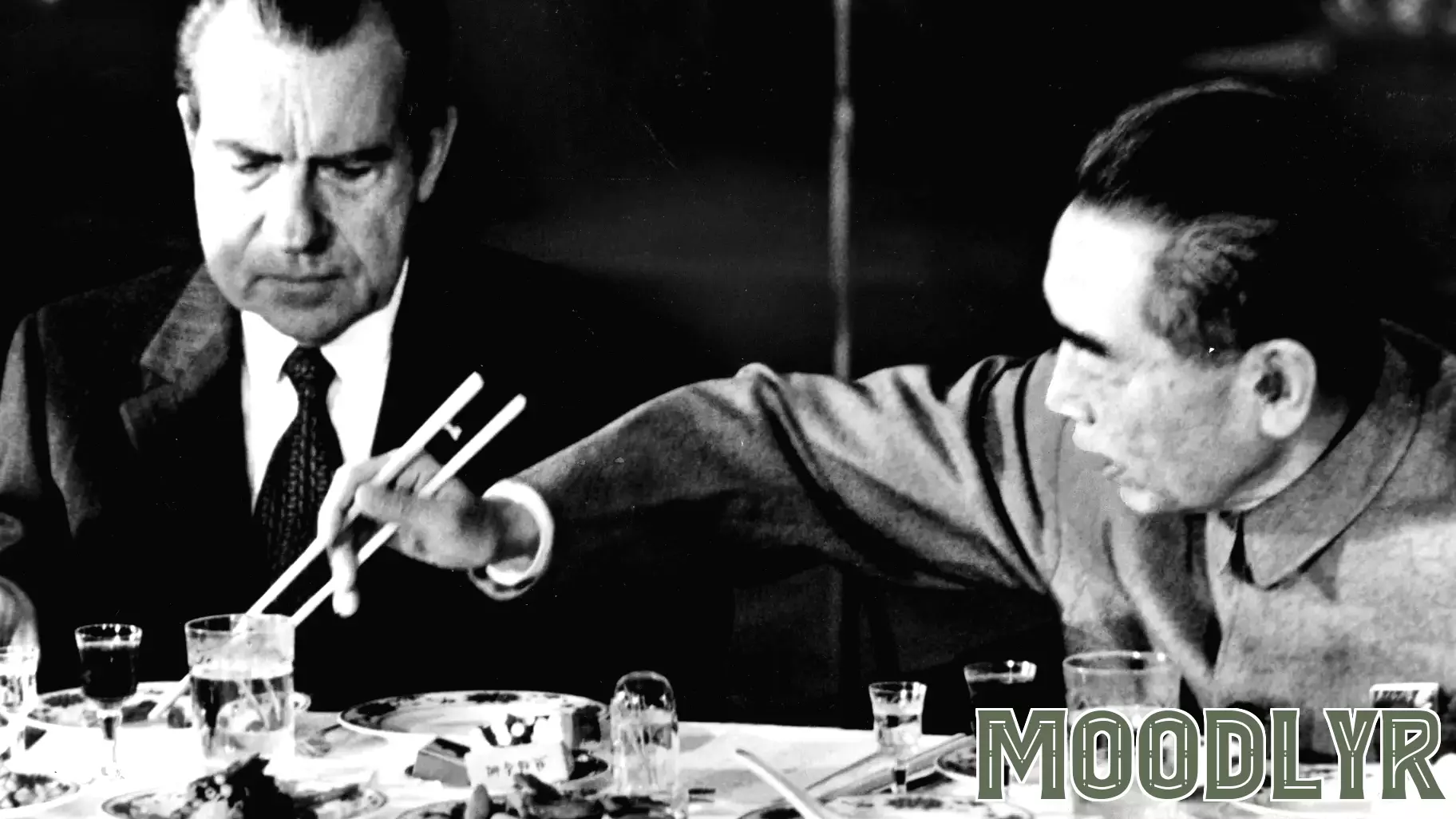
At the kitchen table or in a restaurant, some individuals steadfastly refuse to share a dish, a few French fries, or a dessert. This aversion to sharing food can be perplexing, prompting questions about its origins and implications. Psychologists suggest that this behavior often stems from a deep-seated sense of ownership and personal attachment to food. For many, meals represent comfort, security, and a source of personal identity.
Cultural factors also play a significant role in shaping one’s attitude towards sharing. In some cultures, communal eating is the norm, while in others, individual portions are the standard. Those who grow up in environments where sharing is discouraged may carry these beliefs into adulthood, leading to a strong preference for keeping their meals to themselves.
Moreover, the fear of contamination or the desire to control one’s dietary choices can further explain this reluctance. In a society increasingly focused on health and wellness, individuals may feel protective over their food choices, leading to a more pronounced aversion to sharing. Understanding these psychological underpinnings can shed light on why some people are so adamant about keeping their lunch just for themselves.
MORE NEWS

August 20, 2026 - 19:26
Psychology says the kindest people you will ever meet aren't naive or soft — they are often people who have experienced real pain in life and made a conscious choice not to pass it on to othersPsychologists have long observed that the gentlest souls are rarely those who have lived sheltered lives. Instead, the most compassionate individuals are frequently people who have carried...
August 20, 2026 - 09:05
Lindsay Clancy's mental illness led to tragedy, psychologist saysA forensic psychologist called by the defense in the Lindsay Clancy case testified on Tuesday that the mother of three was so severely impaired by mental illness that she did not grasp the...

August 19, 2026 - 20:35
Forensic psychologist describes Clancy's 'mental disease' at time of kids' deathsZeisel detailed the moment Clancy called her then-husband, Patrick, to confess. According to the psychologist, Clancy was not in a state of rational awareness but rather in the grip of a psychotic...

August 19, 2026 - 02:46
A psychologist went to Arctic Norway expecting two months of winter darkness to make people miserable. Instead, she found that many locals had learned to see the polar night as cosy, beautiful, and strangely restorativeMost people assume that two months of near-total darkness would wear anyone down. A psychologist traveled to Arctic Norway with that exact expectation, ready to document the toll the polar night...