Understanding Disagreement: The Complexity of Influence
January 31, 2025 - 11:49
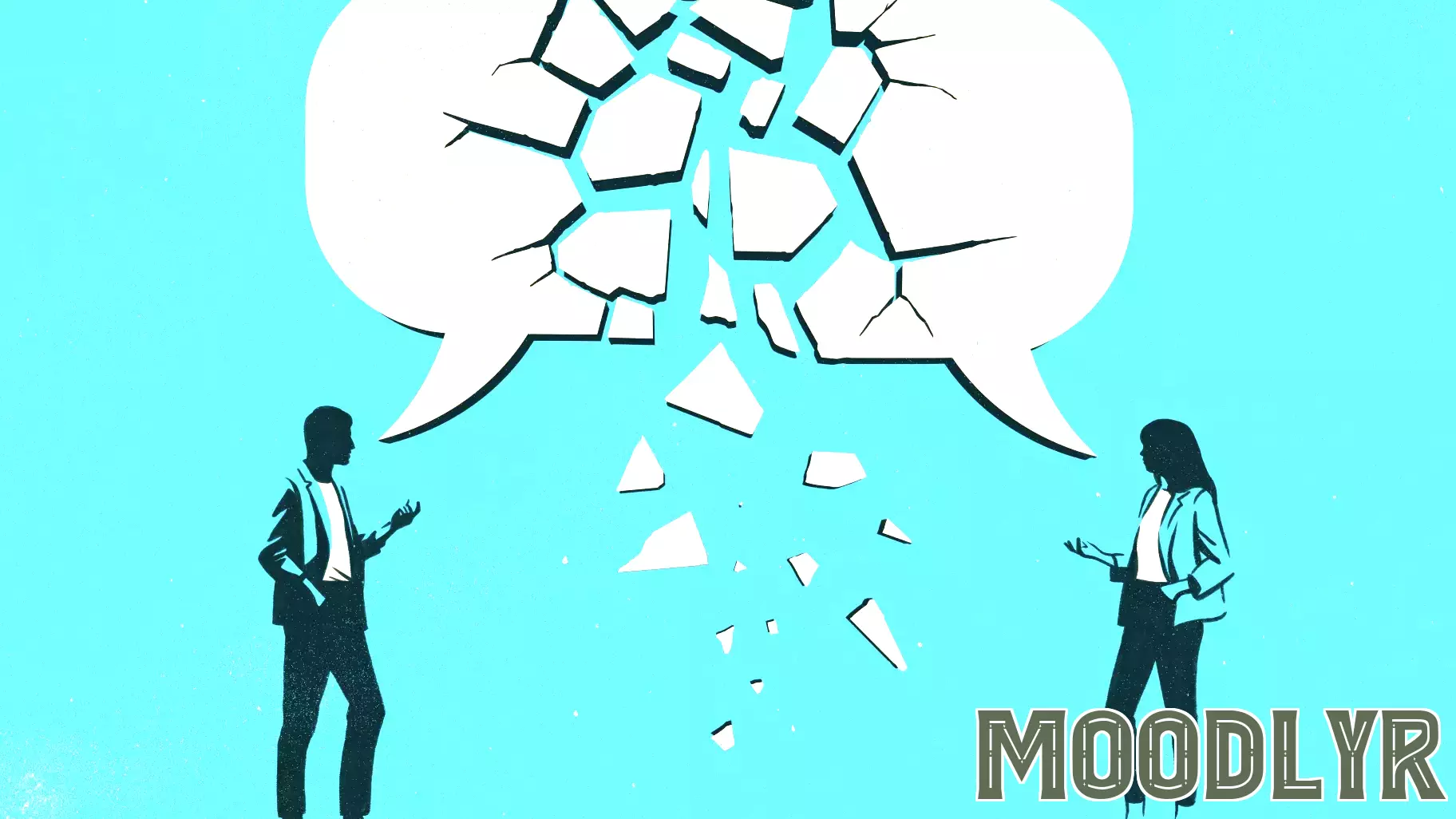
In the realm of communication, influencing those who hold differing opinions can often feel like an uphill battle. One expert highlights a common misconception: the belief that presenting facts alone can sway someone's perspective. Instead, the expert suggests that our motivations often stem from a desire to protect ourselves, our families, and our communities.
This protective instinct drives many of our beliefs and responses, leading to a fixation on various perceived harms. When engaging with someone who disagrees, it is essential to recognize that their viewpoint is often rooted in their own experiences and fears.
Effective communication, therefore, requires more than just logical arguments; it calls for empathy and understanding. By acknowledging the emotional underpinnings of disagreements, individuals can foster a more constructive dialogue. This approach not only opens pathways to influence but also cultivates mutual respect, paving the way for more meaningful conversations.
MORE NEWS

August 20, 2026 - 19:26
Psychology says the kindest people you will ever meet aren't naive or soft — they are often people who have experienced real pain in life and made a conscious choice not to pass it on to othersPsychologists have long observed that the gentlest souls are rarely those who have lived sheltered lives. Instead, the most compassionate individuals are frequently people who have carried...

August 20, 2026 - 09:05
Lindsay Clancy's mental illness led to tragedy, psychologist saysA forensic psychologist called by the defense in the Lindsay Clancy case testified on Tuesday that the mother of three was so severely impaired by mental illness that she did not grasp the...

August 19, 2026 - 20:35
Forensic psychologist describes Clancy's 'mental disease' at time of kids' deathsZeisel detailed the moment Clancy called her then-husband, Patrick, to confess. According to the psychologist, Clancy was not in a state of rational awareness but rather in the grip of a psychotic...

August 19, 2026 - 02:46
A psychologist went to Arctic Norway expecting two months of winter darkness to make people miserable. Instead, she found that many locals had learned to see the polar night as cosy, beautiful, and strangely restorativeMost people assume that two months of near-total darkness would wear anyone down. A psychologist traveled to Arctic Norway with that exact expectation, ready to document the toll the polar night...