Understanding "Roommate Syndrome" and Its Impact on Relationships
August 30, 2025 - 06:05
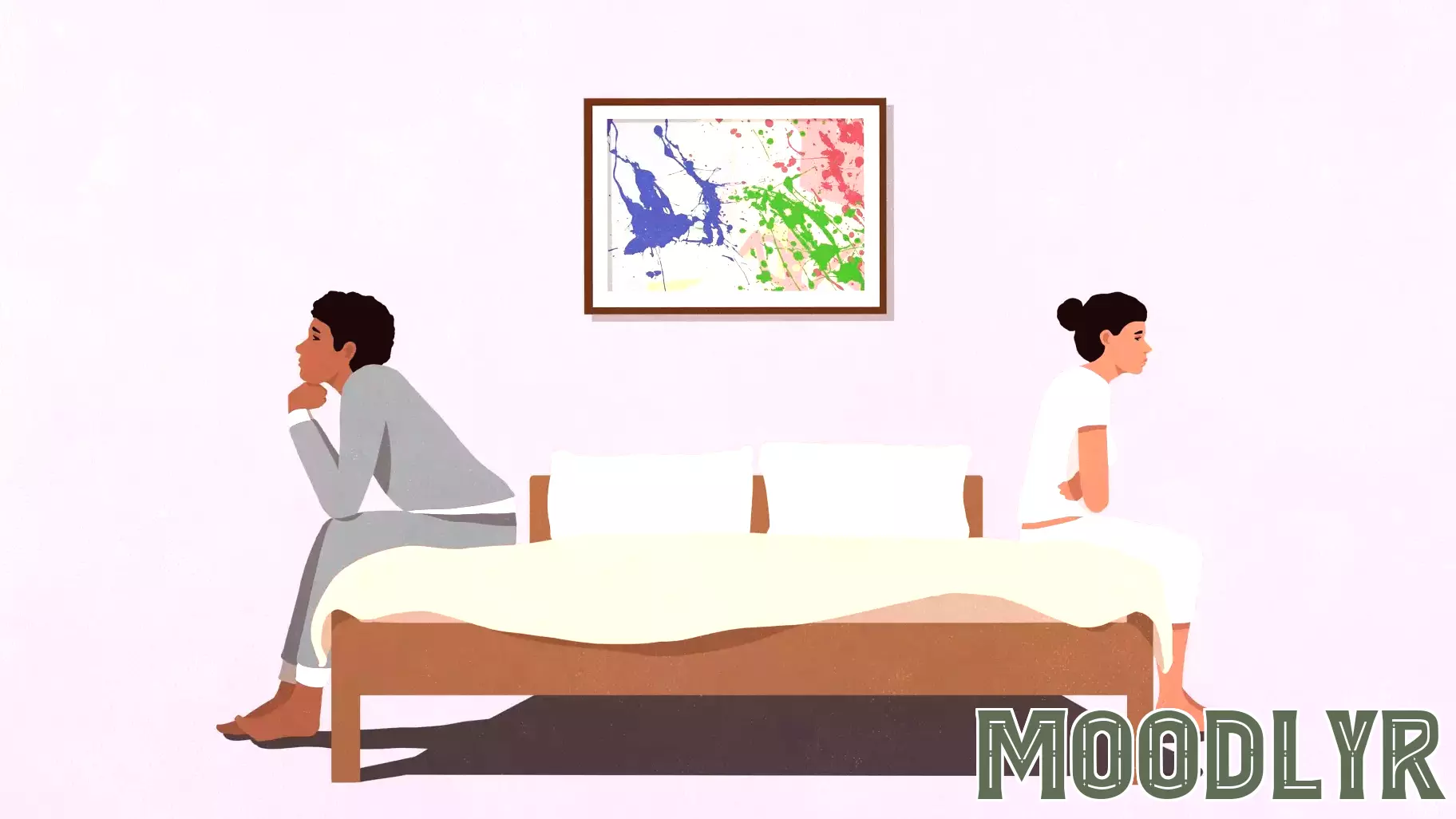
"Roommate syndrome" doesn’t develop overnight. It is a gradual process that can significantly drain intimacy from a romantic relationship. Here are three ways this phenomenon takes shape and affects couples.
Firstly, emotional disconnection often sets in when partners begin to prioritize daily routines over meaningful interactions. As conversations become limited to logistical matters, the emotional bond that once fueled the relationship starts to fade.
Secondly, physical intimacy may diminish as couples fall into a pattern of living like roommates rather than romantic partners. This shift can lead to a lack of affection and a sense of detachment, further exacerbating feelings of loneliness within the relationship.
Lastly, unresolved conflicts can accumulate, creating a toxic environment. When partners stop addressing their issues, resentment builds, leading to a breakdown in communication. This cycle perpetuates roommate syndrome, making it crucial for couples to actively nurture their relationship to maintain both emotional and physical closeness.
MORE NEWS

July 7, 2026 - 02:49
Mediterranean Diet Linked to Better Mental Health in Older AdultsA recent study has found that adults over 50 who follow a Mediterranean diet report higher levels of psychological well-being and showed greater resilience during the COVID-19 pandemic. Researchers...

July 6, 2026 - 03:31
Psychology says people who start feeling patriotic during sports matches aren't cheering for a team, theyPsychology suggests that people who become especially patriotic during sporting events are not simply getting caught up in the excitement. For many, cheering for their country creates a stronger...

July 5, 2026 - 06:00
Psychology says burnout doesn't always make employees quit; instead, some happy workers may be more proneA new psychological study challenges the common assumption that unhappy workers are the ones most likely to quit. According to the research, employees do not always leave their jobs because they...

July 4, 2026 - 20:04
Psychology says mothers-in-law who expect daughters-in-law to follow old family rules may be repeating theA new look at family dynamics suggests that mothers-in-law who insist their daughters-in-law follow long-standing household traditions might not just be controlling. Instead, they may be...