Venice Film Festival: A Fresh Take on Camus’ Antihero
September 3, 2025 - 20:03
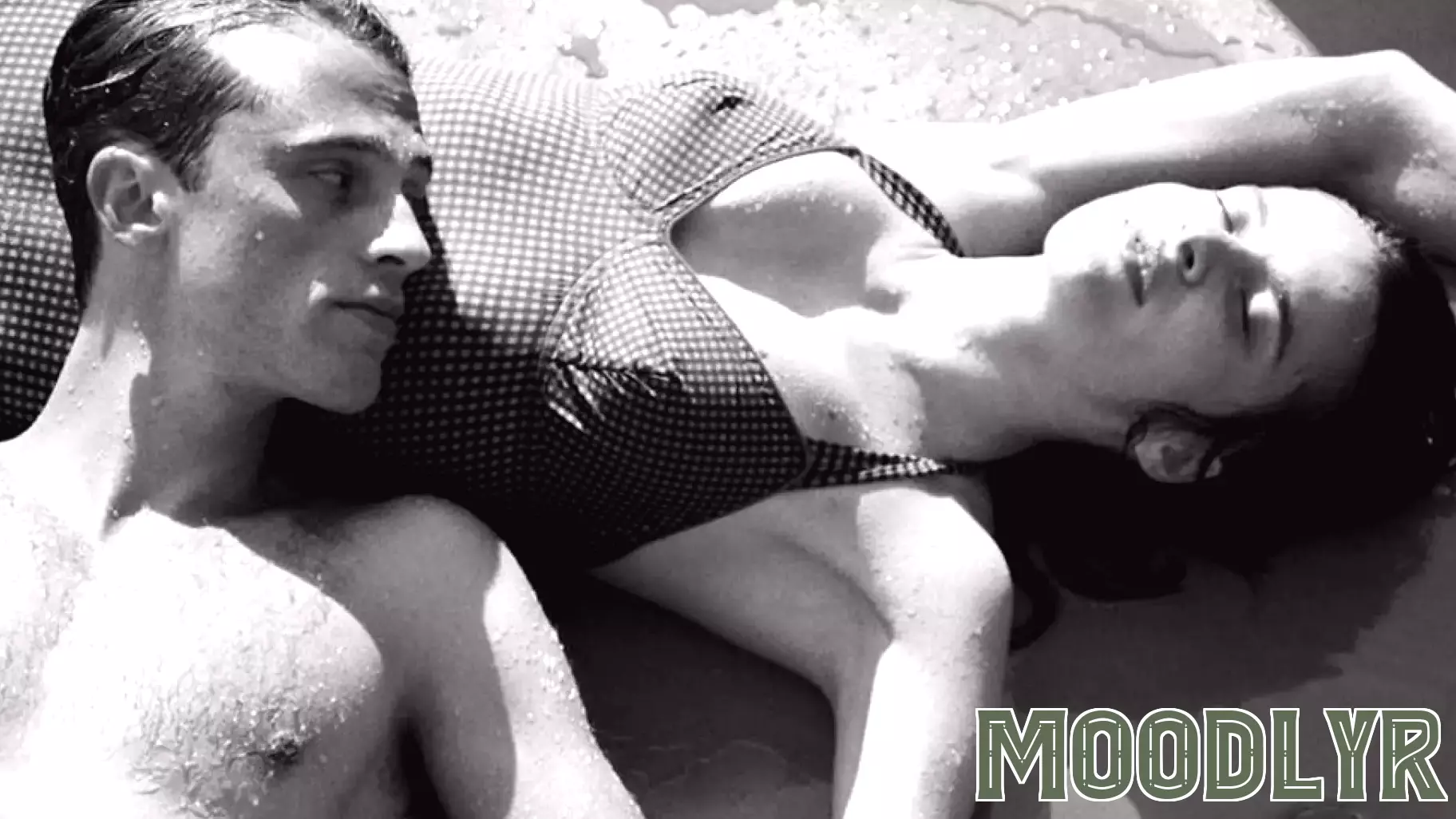
At this year's Venice Film Festival, the latest adaptation of Albert Camus' seminal novel, "The Stranger," has garnered significant attention for its innovative approach to the source material. Directed by François Ozon, this film delves deeper into the psychological complexities of Meursault, the protagonist whose indifference and existential musings have captivated readers for decades.
Ozon's interpretation expands on the original narrative, offering viewers a more nuanced exploration of Meursault's emotional landscape. The film artfully balances the themes of absurdity and alienation that define Camus' work while introducing new layers of character development. The cinematography enhances the starkness of the story, creating a vivid backdrop that mirrors Meursault's internal struggles.
Critics have praised the performances, particularly the lead actor's portrayal of Meursault, which captures the character's existential detachment and the societal pressures surrounding him. This adaptation not only honors Camus' legacy but also invites contemporary audiences to reflect on the timeless questions of existence and morality. As the festival continues, this film stands out as a thought-provoking contribution to the canon of literary adaptations.
MORE NEWS

July 18, 2026 - 02:09
Psychology says people who ask a lot of questions while watching a movie aren't distracted: What this behaA new look at an old movie theater annoyance suggests that the person whispering questions in your ear might not be trying to ruin the film. According to recent psychological research, viewers who...

July 17, 2026 - 09:05
I'm WEIRD, it turns out, and so is almost everyone psychology has ever studied — a narrow twelve percent of humanity whose responses somehow came to stand in for everything we think we know about the human mindIt turns out I am WEIRD. That is not an insult, but a label psychologists use for a very specific group of people. WEIRD stands for Western, Educated, Industrialized, Rich, and Democratic. It...
July 16, 2026 - 21:34
Psychology says people who feel like breaking things when they're angry may be responding to frustration aA new look at anger suggests that the urge to break objects when frustrated is not a sign of violence, but a natural response to emotional overload. Psychology researchers note that many people...
July 16, 2026 - 13:39
Psychology suggests we don't reason toward truth so much as defend what we already believe: we seek out the facts that confirm us and quietly wave away the rest — the 'confirmation bias' baked into how we thinkIn 1998, a Tufts psychologist named Raymond Nickerson published a long review article pulling together decades of scattered experiments under one heading. That heading was `confirmation bias,` and...