Why Apologizing to Furniture Might Mean You're a Better Person
July 1, 2026 - 05:50
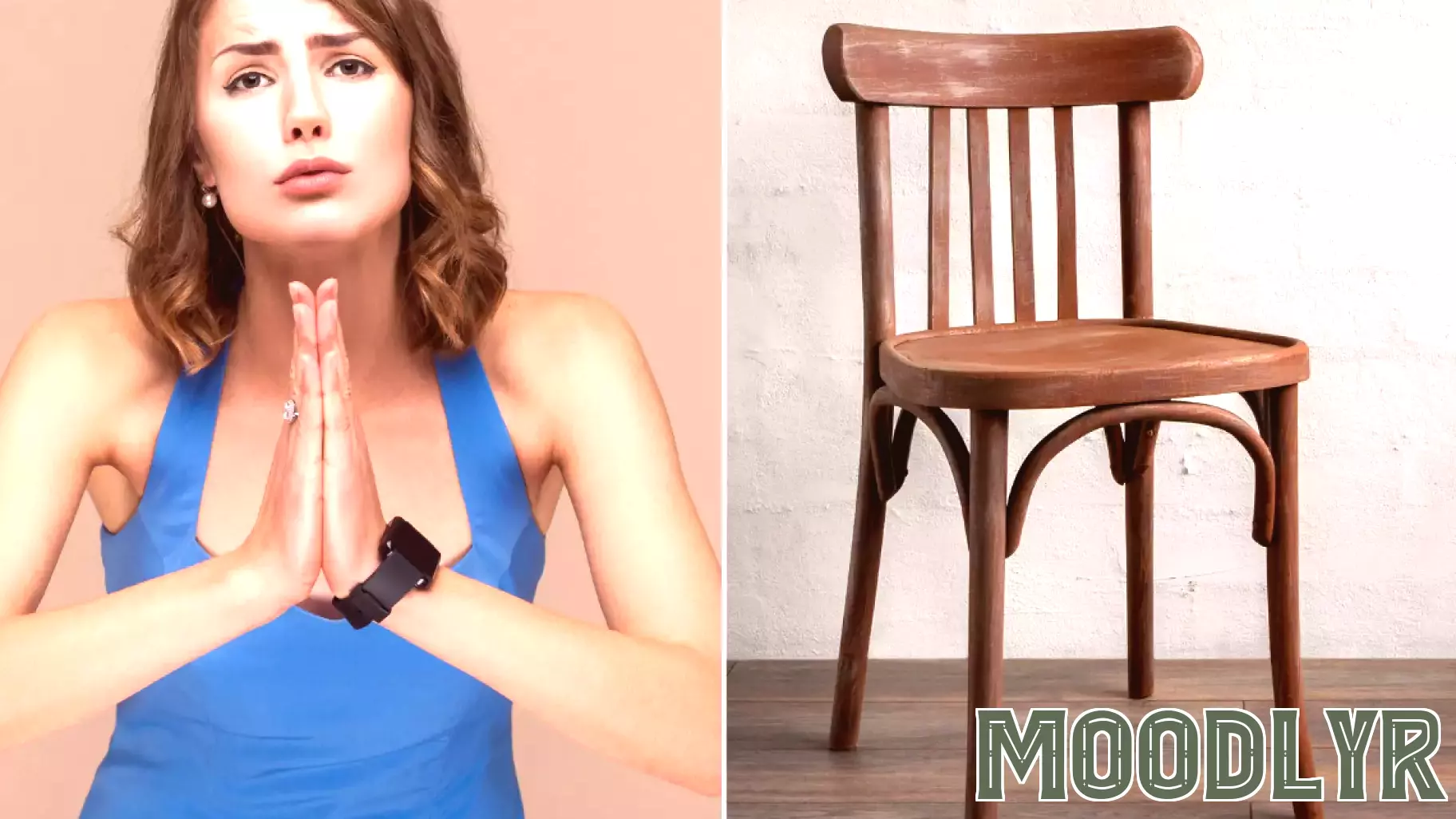
If you've ever apologized after bumping into a doorframe, you are not alone. Psychologists have taken notice of this common habit and suggest it actually reveals several positive personality traits. Rather than a sign of eccentricity, saying "sorry" to a table or a wall may indicate emotional depth and social intelligence.
First, people who apologize to objects tend to be highly empathetic. They extend consideration beyond humans and animals to the inanimate world, which reflects a general tendency to avoid blame and seek harmony. This empathy often translates into stronger relationships with people.
Second, these individuals are usually self-aware. Recognizing that bumping into a chair was your own misstep, not the chair's fault, shows a willingness to take responsibility. This trait is linked to humility and a lower likelihood of shifting blame onto others.
Third, apologizing to objects can signal a playful and creative mind. It suggests you are comfortable with whimsy and not overly rigid about social norms. This flexibility often helps in problem-solving and adapting to new situations.
Fourth, such people tend to be more mindful. They pause to acknowledge an action, even a clumsy one, rather than rushing past it. This mindfulness can reduce stress and increase overall life satisfaction.
Finally, psychologists note that this habit often correlates with kindness. People who apologize to furniture are typically the same ones who go out of their way to help others, hold doors open, and speak gently. So next time you catch yourself saying "sorry" to a coffee table, take it as a small compliment to your character.
MORE NEWS

August 14, 2026 - 01:29
Montgomery College Launches New Psychology ProgramMontgomery College has introduced a new Psychology Option inside its Associate of Arts in General Studies degree, giving students a clearer route toward transferring to a four-year university. The...

August 13, 2026 - 03:37
Depression Doesn’t Just Affect the Thinking BrainFor decades, depression has been tied to the thinking brain and the networks that govern mood and memory. A major new study significantly complicates that story. Researchers have found that the...

August 12, 2026 - 09:29
Narcissism and psychopathy linked to entrepreneurial mindsetsPeople who rank higher in traits such as narcissism and psychopathy also tend to feel a more powerful internal push toward founding their own companies, according to recent research. The study...
August 11, 2026 - 03:28
Are You Super Stressed Out? A Psychologist Says You Should Try This.When daily pressure starts to pile up, the usual advice is to take a break, breathe deeply, or step away from the screen. But one psychologist suggests a different approach: turn outward instead of...