Why Grandparents Lose Contact With Grandchildren
May 23, 2026 - 08:56
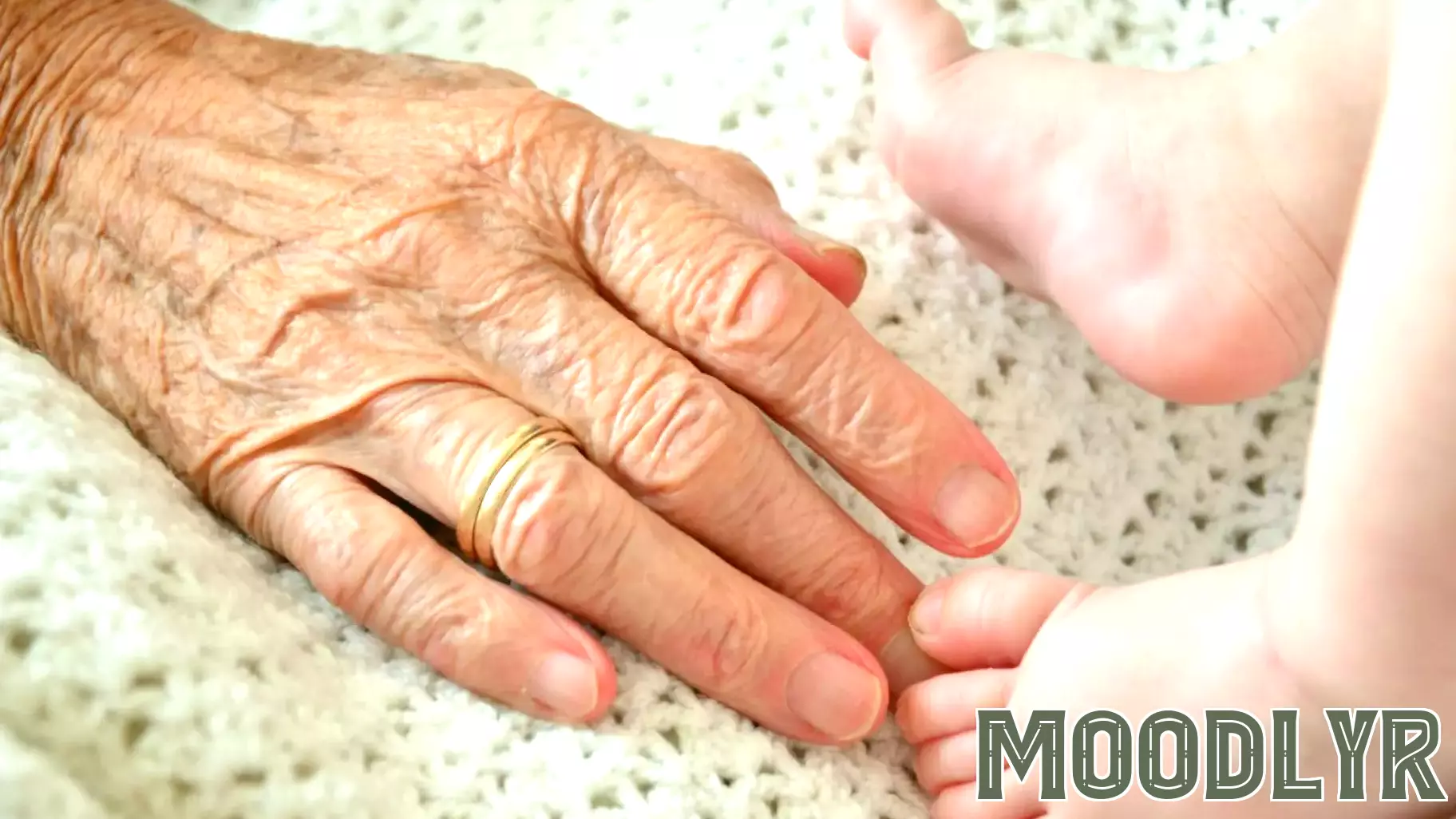
Strong bonds between grandparents and grandchildren are built on a foundation of respect, trust, and consistent care. Yet for many families, that connection fades over time, leaving both sides hurt and confused. The reasons are rarely dramatic. More often, it is a slow drift caused by small, everyday choices.
One major factor is geography. When families move for jobs or education, the distance makes regular visits hard. Phone calls and video chats can help, but they often feel forced or rushed. Without shared routines, the relationship becomes a series of missed birthdays and awkward holiday catch-ups.
Another issue is the changing role of parents. In many homes, both parents work long hours, leaving little energy to coordinate visits or phone calls. Grandparents may feel unwelcome or worry they are a burden. They stop reaching out, and the silence grows.
Technology also plays a part. Younger generations live on social media and text messages. Grandparents who do not use these tools can feel left out. Even when they try, the fast pace of online life can make their efforts feel clumsy or ignored.
But the deepest wounds come from broken trust. A harsh word, a broken promise, or a feeling of being judged can linger for years. Grandparents who criticize parenting choices or fail to respect boundaries often find themselves pushed away. On the other side, adult children who dismiss a grandparent's wisdom or ignore their health struggles can cause lasting pain.
The good news is that these rifts can often be healed. It starts with small, thoughtful moments. A handwritten note, a simple phone call to ask about a grandchild's day, or a shared hobby can rebuild the bridge. Respect and patience matter more than grand gestures. When both sides make an effort to listen and show care, the distance shrinks. The key is to act now, before the quiet drift turns into a permanent silence.
MORE NEWS

July 7, 2026 - 02:49
Mediterranean Diet Linked to Better Mental Health in Older AdultsA recent study has found that adults over 50 who follow a Mediterranean diet report higher levels of psychological well-being and showed greater resilience during the COVID-19 pandemic. Researchers...

July 6, 2026 - 03:31
Psychology says people who start feeling patriotic during sports matches aren't cheering for a team, theyPsychology suggests that people who become especially patriotic during sporting events are not simply getting caught up in the excitement. For many, cheering for their country creates a stronger...

July 5, 2026 - 06:00
Psychology says burnout doesn't always make employees quit; instead, some happy workers may be more proneA new psychological study challenges the common assumption that unhappy workers are the ones most likely to quit. According to the research, employees do not always leave their jobs because they...

July 4, 2026 - 20:04
Psychology says mothers-in-law who expect daughters-in-law to follow old family rules may be repeating theA new look at family dynamics suggests that mothers-in-law who insist their daughters-in-law follow long-standing household traditions might not just be controlling. Instead, they may be...