Change-a-Letter Puzzles Reveal How Meaning Emerges
March 29, 2026 - 19:25
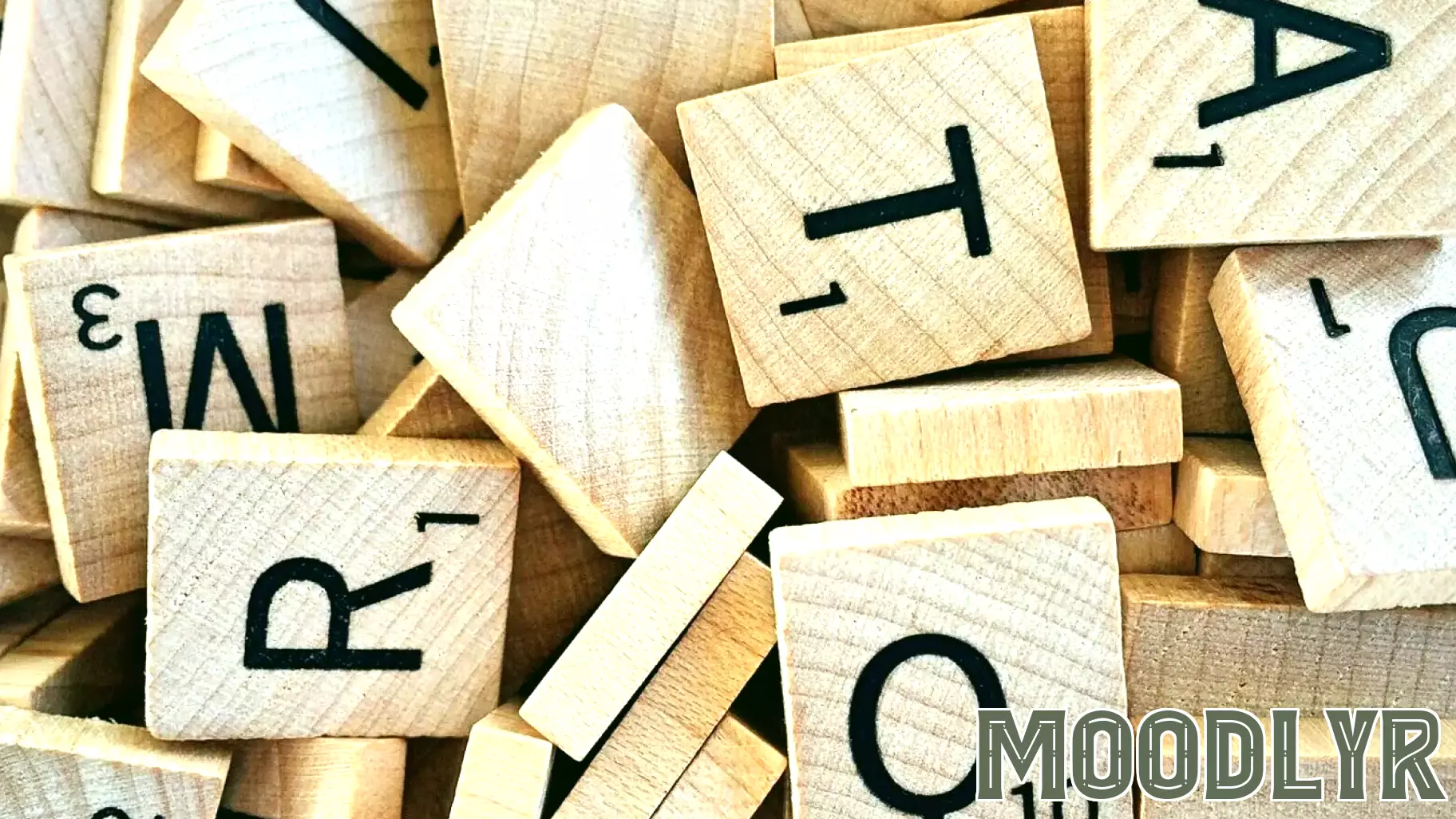
The simple parlor game of changing one letter at a time to transform one word into another, like "WARM" into "COLD," is more than a mental diversion. It offers a playful window into the very mechanics of human language and thought, echoing theories proposed by the pioneering linguist Ferdinand de Saussure.
De Saussure argued that meaning in language arises not from words in isolation, but from their differences. We understand "cat" because it is not "bat," "cot," or "cap." Its identity is defined by a network of subtle contrasts in sound and spelling. The change-a-letter puzzle puts this principle into direct action. Each step requires the solver to recognize that altering a single, minimal unit—one phoneme or letter—creates an entirely new sign with a distinct meaning, yet one that remains connected within the system.
These puzzles visually demonstrate how language is a structure of interconnected units. Success depends on navigating this web of relationships, where meaning is perpetually shaped by contrast. The intellectual satisfaction of solving them comes from manipulating the fundamental code of language itself, proving that significance often hinges on the smallest of changes. They are a tangible test of the idea that our verbal thinking operates through a delicate balance of similarity and difference.
MORE NEWS
August 11, 2026 - 03:28
Are You Super Stressed Out? A Psychologist Says You Should Try This.When daily pressure starts to pile up, the usual advice is to take a break, breathe deeply, or step away from the screen. But one psychologist suggests a different approach: turn outward instead of...

August 10, 2026 - 12:47
Psychology says downplaying your birthday is a sign of quiet confidence because it means your sense of worth doesn't need an annual vote of confidence from everyone you knowPsychologists are taking a fresh look at the people who let their birthday pass without a post, a party, or a reminder to friends. The emerging view is that downplaying the day is not shyness or...

August 9, 2026 - 19:51
Psychology says people who quietly leave family group chats, mute old friends, and stop replying to acquaintances aren't withdrawing from life, they're finally protecting the small amount of attention they have left for the people who actually reach backPsychologists are noticing a shift in how some people manage their social circles, and it often looks like a quiet exit. It is the person who leaves the family group chat without a word, mutes the...
August 9, 2026 - 01:27
Maybe You're Not Breaking Down. Maybe You're MoltingThere is a moment in the life of a bird when the old feathers stop serving their purpose. They are frayed, worn, and heavy with the dust of past flights. The bird does not panic. It does not call...