Psychology suggests the generation that ate cereal for dinner and walked home in the dark did not just survive neglect, but built an emotional operating system around self-reliance
May 12, 2026 - 04:38
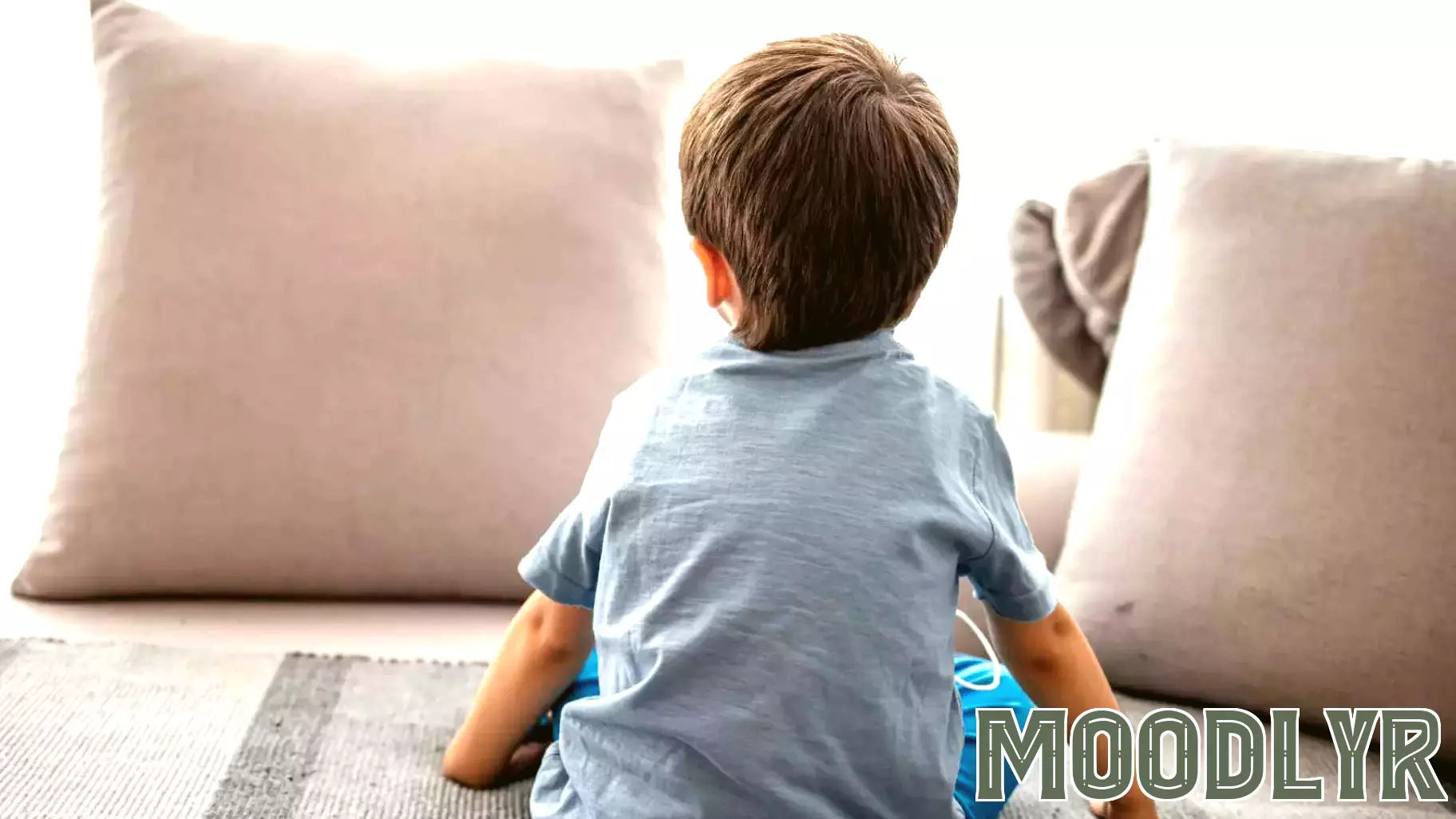
A new wave of psychological analysis suggests that the generation known for eating cereal for dinner and walking home alone in the dark did not simply endure a lack of supervision. Instead, researchers argue, these children developed a distinct emotional operating system rooted in self-reliance that continues to shape their behavior well into adulthood.
Often called latchkey kids, this generation grew up in an era when parental oversight was more relaxed. They came home to empty houses, fixed their own meals, and navigated neighborhood streets without adult escorts. For years, this experience was framed as a form of benign neglect. But psychologists now propose that it was also a powerful training ground for emotional independence.
According to recent findings, these children learned early that their safety and comfort depended on their own decisions. They developed practical problem-solving skills and a high tolerance for solitude. This self-sufficiency became a core part of their identity. In adulthood, they often display a strong sense of personal responsibility and a low tolerance for dependency on others.
However, the same emotional system has a downside. Many latchkey kids struggle to ask for help, even when they need it. They may equate vulnerability with weakness and find it difficult to form deep emotional bonds. The independence that served them well as children can become a barrier to intimacy later in life.
Experts note that this is not a simple story of trauma or triumph. It is a complex adaptation to a specific set of circumstances. The key takeaway is that this generation did not just survive their childhoods. They built a lasting internal framework that continues to influence how they work, love, and cope with stress. Understanding this system helps explain why many of them remain fiercely independent, even when it might be healthier to lean on someone else.
MORE NEWS
August 11, 2026 - 03:28
Are You Super Stressed Out? A Psychologist Says You Should Try This.When daily pressure starts to pile up, the usual advice is to take a break, breathe deeply, or step away from the screen. But one psychologist suggests a different approach: turn outward instead of...

August 10, 2026 - 12:47
Psychology says downplaying your birthday is a sign of quiet confidence because it means your sense of worth doesn't need an annual vote of confidence from everyone you knowPsychologists are taking a fresh look at the people who let their birthday pass without a post, a party, or a reminder to friends. The emerging view is that downplaying the day is not shyness or...

August 9, 2026 - 19:51
Psychology says people who quietly leave family group chats, mute old friends, and stop replying to acquaintances aren't withdrawing from life, they're finally protecting the small amount of attention they have left for the people who actually reach backPsychologists are noticing a shift in how some people manage their social circles, and it often looks like a quiet exit. It is the person who leaves the family group chat without a word, mutes the...

August 9, 2026 - 01:27
Maybe You're Not Breaking Down. Maybe You're MoltingThere is a moment in the life of a bird when the old feathers stop serving their purpose. They are frayed, worn, and heavy with the dust of past flights. The bird does not panic. It does not call...