Psychologist testifies teen accused of murdering relative was abused
February 12, 2026 - 21:46
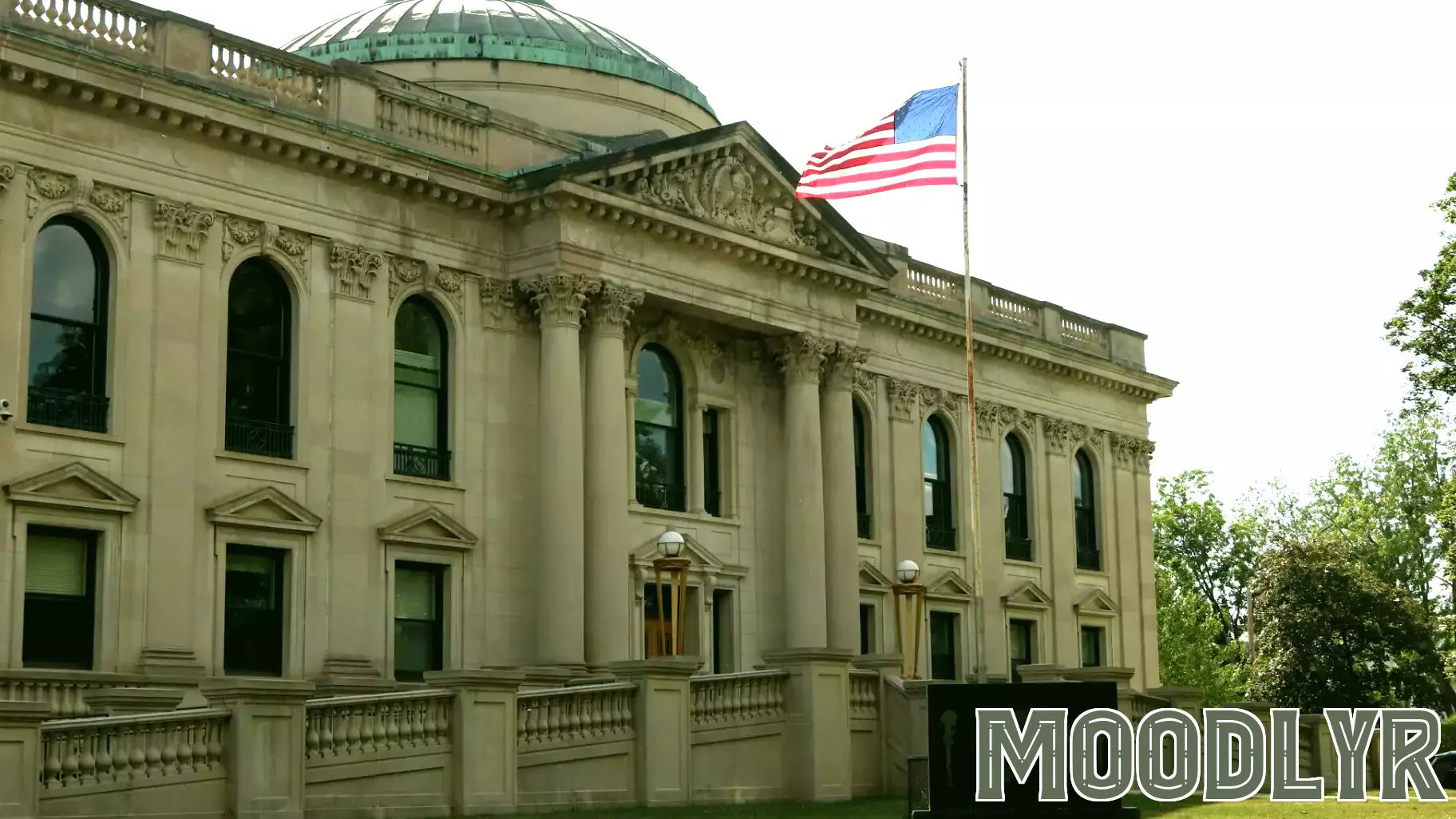
A forensic psychologist has testified that a teenager, who was fifteen years old at the time she was accused of murdering a family member, did not intend for the relative's death to occur. The expert witness stated that the adolescent's actions must be viewed through the lens of significant trauma, detailing a history of sustained abuse suffered by the defendant.
The psychologist's evaluation, presented in court, painted a picture of a young person operating under extreme emotional and psychological distress. The testimony suggested that the alleged crime was not a product of premeditation but rather a tragic outcome stemming from a complex and harmful environment. This perspective aims to inform the court's understanding of the defendant's state of mind and culpability during the incident.
Legal experts note that such psychological testimony can be pivotal in cases involving juvenile defendants, potentially influencing arguments about intent and appropriate legal consequences. The case continues as the court weighs the factual circumstances against the psychological assessment of the teen's background and alleged lack of intent to cause fatal harm.
MORE NEWS
August 12, 2026 - 09:29
Narcissism and psychopathy linked to entrepreneurial mindsetsPeople who rank higher in traits such as narcissism and psychopathy also tend to feel a more powerful internal push toward founding their own companies, according to recent research. The study...
August 11, 2026 - 03:28
Are You Super Stressed Out? A Psychologist Says You Should Try This.When daily pressure starts to pile up, the usual advice is to take a break, breathe deeply, or step away from the screen. But one psychologist suggests a different approach: turn outward instead of...

August 10, 2026 - 12:47
Psychology says downplaying your birthday is a sign of quiet confidence because it means your sense of worth doesn't need an annual vote of confidence from everyone you knowPsychologists are taking a fresh look at the people who let their birthday pass without a post, a party, or a reminder to friends. The emerging view is that downplaying the day is not shyness or...

August 9, 2026 - 19:51
Psychology says people who quietly leave family group chats, mute old friends, and stop replying to acquaintances aren't withdrawing from life, they're finally protecting the small amount of attention they have left for the people who actually reach backPsychologists are noticing a shift in how some people manage their social circles, and it often looks like a quiet exit. It is the person who leaves the family group chat without a word, mutes the...