Psychology says the reason some people become wiser as they age while others become more rigid has nothing to do with intelligence. It depends on whether they ever learned to sit with discomfort
March 30, 2026 - 05:02
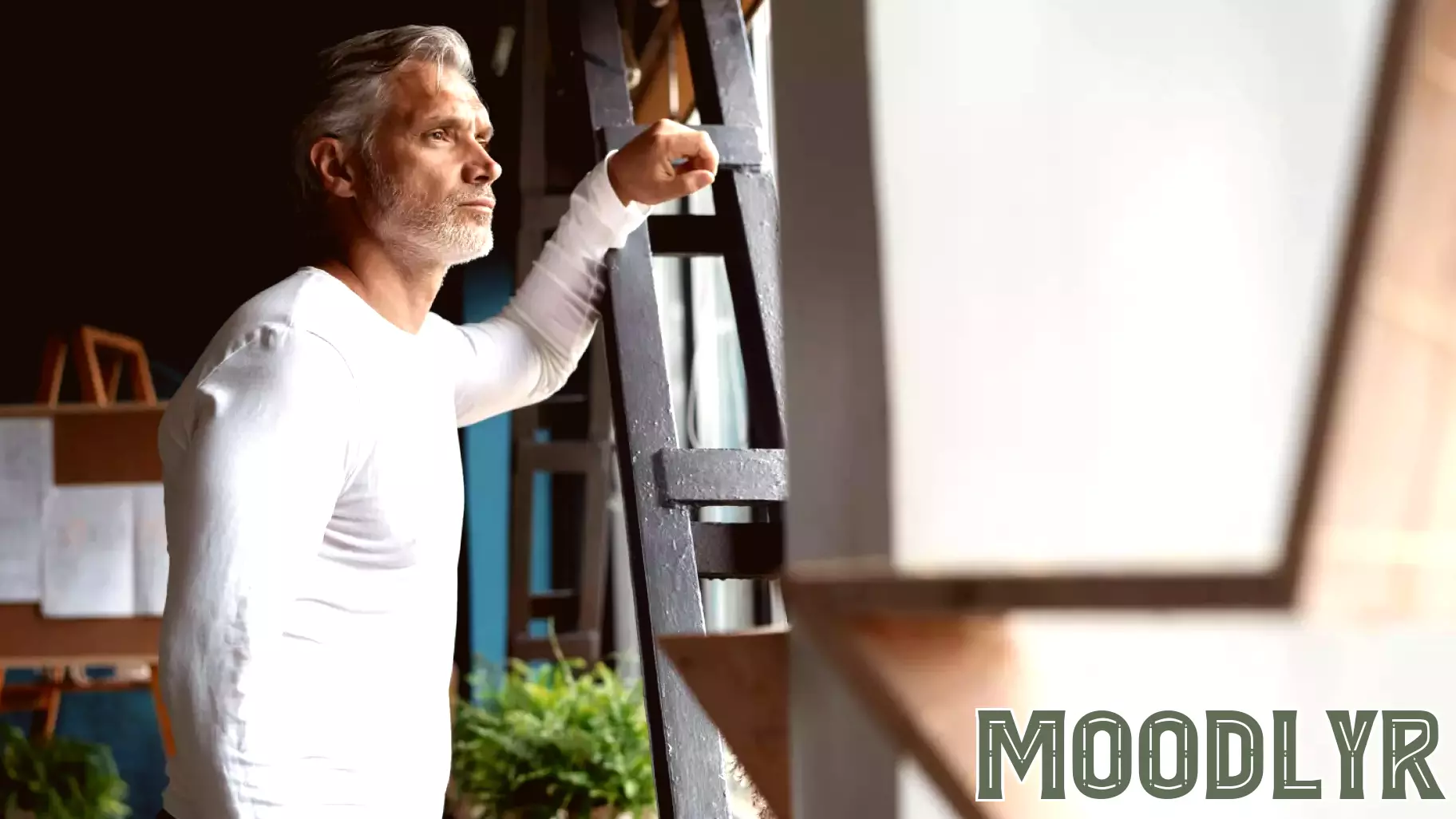
New psychological research reveals a surprising truth about why some individuals grow profoundly wiser with age while others simply become more set in their ways. The key differentiator, it turns out, has little to do with raw intelligence or accumulated knowledge. Instead, the journey toward wisdom hinges on a fundamental, often challenging skill: the learned ability to sit with emotional and intellectual discomfort.
This capacity allows a person to soften around the edges and develop a quiet depth. They learn to hold space for complexity, for other people's contradictions, and for the unsettling fact that life rarely offers simple, clear-cut answers. This process is not passive but an active engagement with uncertainty.
Individuals who cultivate wisdom do not instinctively flee from challenging feelings like doubt, ambiguity, or cognitive dissonance. They learn to tolerate these states without immediately resorting to rigid, black-and-white conclusions. This practice of "sitting with" discomfort enables deeper reflection, fosters empathy by considering perspectives that conflict with their own, and allows for the updating of long-held beliefs in the face of new evidence.
Conversely, those who become more rigid often exhibit a lower tolerance for this same psychological discomfort. To achieve quick cognitive closure and emotional relief, they may cling more tightly to familiar viewpoints, dismiss conflicting information, and retreat into dogma. Their worldview solidifies as a defense mechanism against the unease of not knowing. Ultimately, this research suggests that wisdom is less an inevitable product of time and more a testament to one's courage in facing life's inherent uncertainties.
MORE NEWS
August 12, 2026 - 09:29
Narcissism and psychopathy linked to entrepreneurial mindsetsPeople who rank higher in traits such as narcissism and psychopathy also tend to feel a more powerful internal push toward founding their own companies, according to recent research. The study...
August 11, 2026 - 03:28
Are You Super Stressed Out? A Psychologist Says You Should Try This.When daily pressure starts to pile up, the usual advice is to take a break, breathe deeply, or step away from the screen. But one psychologist suggests a different approach: turn outward instead of...

August 10, 2026 - 12:47
Psychology says downplaying your birthday is a sign of quiet confidence because it means your sense of worth doesn't need an annual vote of confidence from everyone you knowPsychologists are taking a fresh look at the people who let their birthday pass without a post, a party, or a reminder to friends. The emerging view is that downplaying the day is not shyness or...

August 9, 2026 - 19:51
Psychology says people who quietly leave family group chats, mute old friends, and stop replying to acquaintances aren't withdrawing from life, they're finally protecting the small amount of attention they have left for the people who actually reach backPsychologists are noticing a shift in how some people manage their social circles, and it often looks like a quiet exit. It is the person who leaves the family group chat without a word, mutes the...