Small Conversational Habits That Undermine Your Respect
January 6, 2026 - 20:33
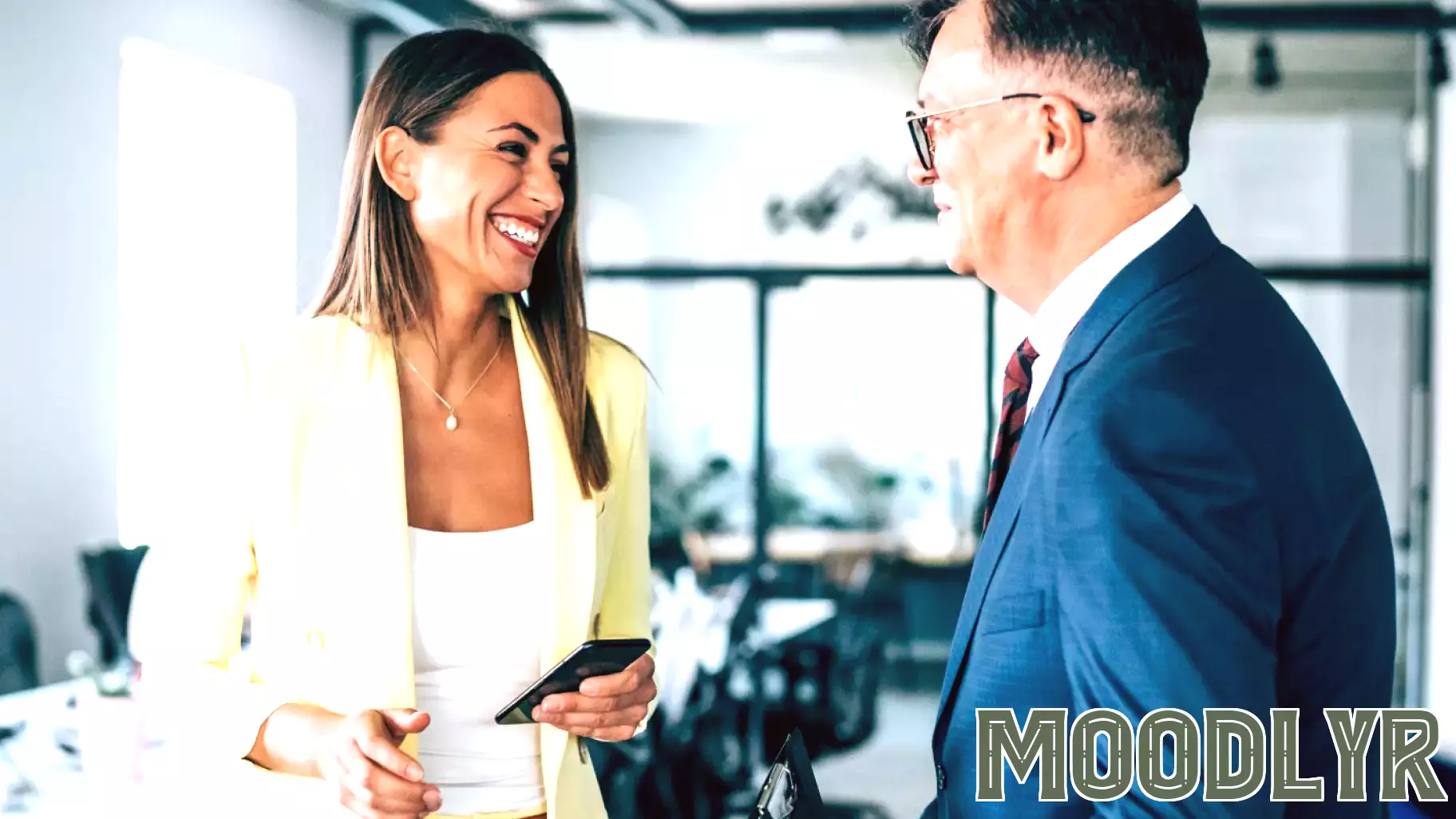
While you might believe that respect stems from significant achievements or inherent charisma, it is often the subtle verbal habits that go unnoticed that play a crucial role in shaping others' perceptions of you. Common behaviors, such as apologizing when you haven't done anything wrong or habitually filling every silence with chatter, can inadvertently diminish the respect you receive from others.
These seemingly minor actions can create an impression of insecurity or lack of confidence. For instance, over-apologizing can lead others to view you as someone who lacks authority or conviction in their beliefs. Similarly, interrupting silences can prevent meaningful exchanges and make conversations feel rushed or shallow.
To cultivate greater respect in your interactions, it is essential to become aware of these patterns. By practicing more mindful communication, you can foster deeper connections and enhance the way others perceive your character and capabilities. Embracing silence and speaking with intention can significantly elevate the respect you command in conversations.
MORE NEWS
July 9, 2026 - 00:42
Psychology says people who are old school and still love vintage gasoline run cars aren't resistant to chaA common stereotype suggests that people who drive old gasoline-powered cars are stubbornly resisting progress. But psychology research tells a different story. According to studies on nostalgia...
July 8, 2026 - 04:38
Lessons from 43 Years of Teaching PsychologyDr. Roxanne Sullivan, the longest-serving faculty member at Bellevue University, has spent 43 years teaching psychology. Her career spans a dramatic shift in higher education, from traditional...

July 7, 2026 - 02:49
Mediterranean Diet Linked to Better Mental Health in Older AdultsA recent study has found that adults over 50 who follow a Mediterranean diet report higher levels of psychological well-being and showed greater resilience during the COVID-19 pandemic. Researchers...
July 6, 2026 - 03:31
Psychology says people who start feeling patriotic during sports matches aren't cheering for a team, theyPsychology suggests that people who become especially patriotic during sporting events are not simply getting caught up in the excitement. For many, cheering for their country creates a stronger...