The Affective Side of Interoception
January 28, 2026 - 23:22
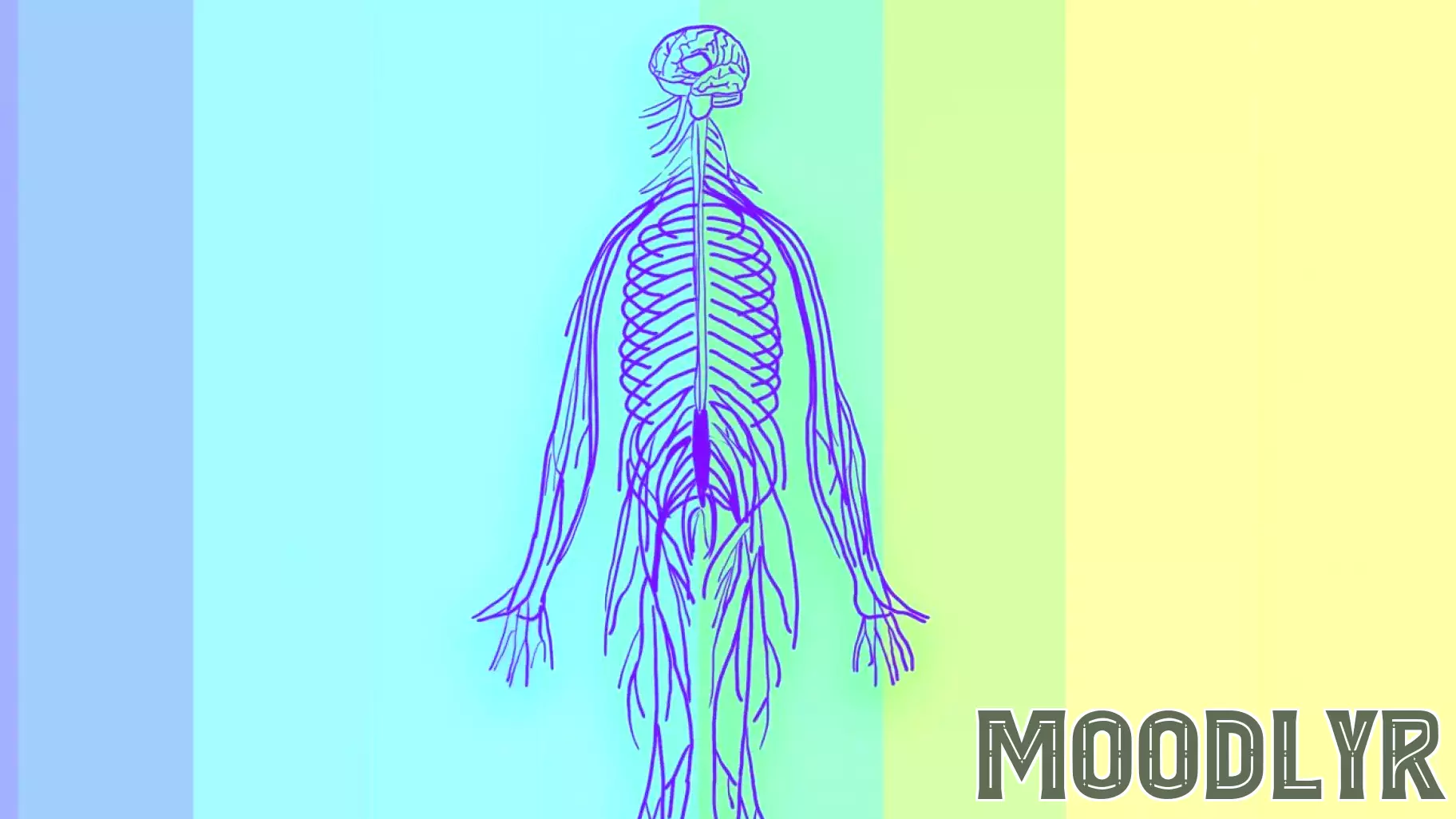
The constant, subtle hum of our heartbeat, the gentle rise and fall of our breath, and the quiet signals of hunger or fullness are more than just biological noise. These sensations are the domain of interoception, our critical yet often overlooked sixth sense dedicated to perceiving the internal state of our own bodies.
Far from being a simple internal monitor, interoception is deeply woven into our emotional lives. Neuroscientists are discovering that this sense is a fundamental component of how the brain creates feelings and moods. The brain continuously interprets these internal signals, using them to generate what we subjectively experience as emotion, from anxiety and sadness to joy and calm.
This process, known as affective evaluation, suggests that our emotional world is profoundly rooted in the physical self. The brain assesses whether bodily states are comfortable or threatening, safe or alarming, shaping our moment-to-moment affective reality. This intricate dialogue between body and brain helps explain why practices like deep breathing can soothe anxiety—they directly influence the interoceptive signals the brain is interpreting.
Understanding interoception opens new windows into the human experience, highlighting that our feelings are not purely mental constructs but are intimately connected to the silent, ongoing conversation within.
MORE NEWS

July 31, 2026 - 02:10
Psychologist breaks down how the Odyssey explores traumaActor Matt Damon`s recent portrayal of Odysseus has sparked a fresh conversation among mental health professionals about the ancient epic`s relevance to modern psychological struggles. One...

July 30, 2026 - 10:01
Opinion | Psychologists Can Measure a SmileHappiness research has long been dismissed as soft science, but a growing body of work suggests that even something as fleeting as a smile can be measured with surprising precision. Psychologists...

July 29, 2026 - 17:07
Even Having a Phone in Their Pocket Hurts Kids' GradesNew research suggests that simply owning a cell phone can drag down a student`s test scores, even if the phone stays in their backpack all day. The study adds a fresh layer to the ongoing debate...

July 29, 2026 - 09:00
Psychology says older parents who rarely ask their children for anything aren't being independent, they learned early that needing something out loud was the fastest way to become a burdenA quiet pattern emerges in many aging families: the parent who insists they need nothing. They refuse offers of help, deflect concern, and handle every problem alone. At first glance, this looks...