The Midlife Awakening: When Your Own Voice Sounds Like Chaos
March 29, 2026 - 01:23

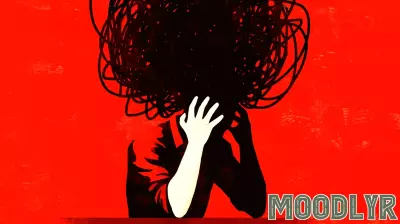
For generations, the term "midlife crisis" has conjured images of impulsive sports car purchases and drastic life overhauls, often dismissed as a cliché of restless vanity. However, a deeper psychological perspective suggests this pivotal period is less about wanting something new and more about finally hearing something true: your own authentic voice.
Experts propose that the turmoil often experienced in mid-adulthood stems not from boredom, but from a profound internal shift. For decades, many individuals operate on a kind of autopilot, diligently executing a blueprint for life that was assembled from external expectations—societal norms, parental guidance, or early career paths. The goals pursued often belong to this constructed persona.
Then, often in the 40s or 50s, a quieter, long-ignored inner voice begins to speak up. This voice represents suppressed desires, unexplored interests, and core values that were sidelined. Because this authentic self has been dormant for so long, its emergence doesn't feel like liberation; it feels unfamiliar and disruptive. The resulting internal conflict is frequently mistaken for chaos or crisis, when it may actually be the first sign of psychological alignment.
The distress, therefore, isn't necessarily a desire to flee one's life, but a struggle to integrate this newly audible self with the existing structure built around a different blueprint. It is a disorienting yet potentially transformative process of recognizing that the person you've become and the person you truly are might need a formal introduction.
MORE NEWS
August 11, 2026 - 03:28
Are You Super Stressed Out? A Psychologist Says You Should Try This.When daily pressure starts to pile up, the usual advice is to take a break, breathe deeply, or step away from the screen. But one psychologist suggests a different approach: turn outward instead of...

August 10, 2026 - 12:47
Psychology says downplaying your birthday is a sign of quiet confidence because it means your sense of worth doesn't need an annual vote of confidence from everyone you knowPsychologists are taking a fresh look at the people who let their birthday pass without a post, a party, or a reminder to friends. The emerging view is that downplaying the day is not shyness or...

August 9, 2026 - 19:51
Psychology says people who quietly leave family group chats, mute old friends, and stop replying to acquaintances aren't withdrawing from life, they're finally protecting the small amount of attention they have left for the people who actually reach backPsychologists are noticing a shift in how some people manage their social circles, and it often looks like a quiet exit. It is the person who leaves the family group chat without a word, mutes the...

August 9, 2026 - 01:27
Maybe You're Not Breaking Down. Maybe You're MoltingThere is a moment in the life of a bird when the old feathers stop serving their purpose. They are frayed, worn, and heavy with the dust of past flights. The bird does not panic. It does not call...