The psychology of self-driving cars: Why the technology doesn't suit human brains
February 11, 2026 - 07:39
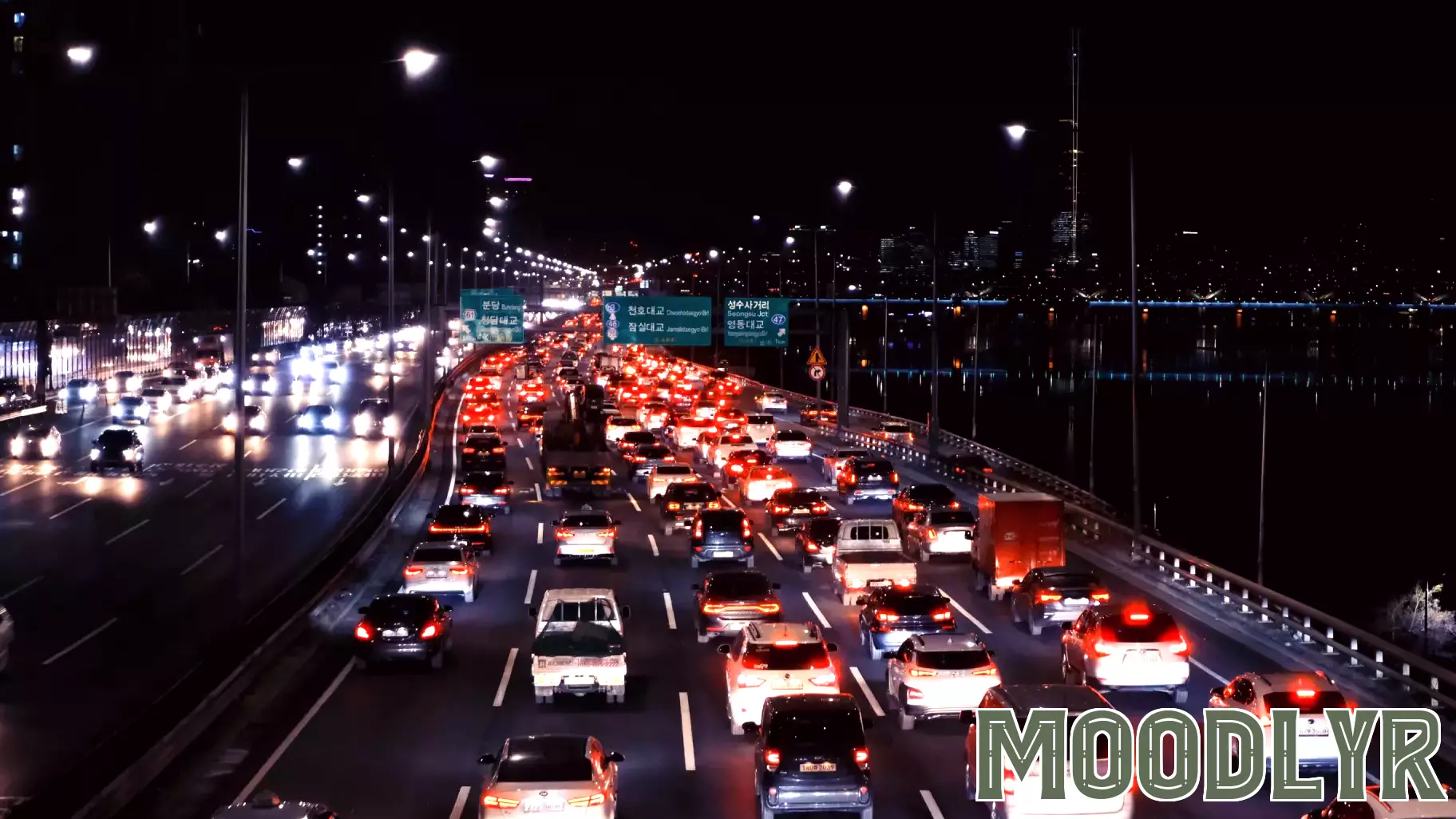
The advent of autonomous vehicles heralds a future of enhanced safety and convenience, yet a significant psychological hurdle stands in the way. The core issue lies in the fundamental mismatch between human cognition and the operational demands of partial automation.
Human attention is not designed for passive vigilance. When a system performs reliably for extended periods, our innate tendency is to disengage, a phenomenon known as automation complacency. The brain, expecting the machine to handle tasks, drifts away from monitoring duties. This becomes critically dangerous when the vehicle suddenly requests human intervention during a complex emergency—a scenario requiring immediate situational awareness and swift decision-making.
Furthermore, the erratic nature of this role—shifting from passive passenger to active pilot in seconds—places an immense cognitive load on the driver. Studies indicate it can take precious seconds for a person to reorient, assess the road, and regain control, a delay that can mean the difference between safety and catastrophe.
This "out-of-the-loop" performance problem suggests that the most dangerous phase of automation may not be full human control or full machine control, but the confusing middle ground where responsibility is ambiguously shared. Engineers are thus faced not only with a technological challenge, but with a profound human factors puzzle: designing systems that can either maintain genuine driver engagement or require no intervention at all.
MORE NEWS
August 11, 2026 - 03:28
Are You Super Stressed Out? A Psychologist Says You Should Try This.When daily pressure starts to pile up, the usual advice is to take a break, breathe deeply, or step away from the screen. But one psychologist suggests a different approach: turn outward instead of...

August 10, 2026 - 12:47
Psychology says downplaying your birthday is a sign of quiet confidence because it means your sense of worth doesn't need an annual vote of confidence from everyone you knowPsychologists are taking a fresh look at the people who let their birthday pass without a post, a party, or a reminder to friends. The emerging view is that downplaying the day is not shyness or...

August 9, 2026 - 19:51
Psychology says people who quietly leave family group chats, mute old friends, and stop replying to acquaintances aren't withdrawing from life, they're finally protecting the small amount of attention they have left for the people who actually reach backPsychologists are noticing a shift in how some people manage their social circles, and it often looks like a quiet exit. It is the person who leaves the family group chat without a word, mutes the...
August 9, 2026 - 01:27
Maybe You're Not Breaking Down. Maybe You're MoltingThere is a moment in the life of a bird when the old feathers stop serving their purpose. They are frayed, worn, and heavy with the dust of past flights. The bird does not panic. It does not call...