The Unseen Pathways of Artificial Intelligence
January 24, 2026 - 22:37
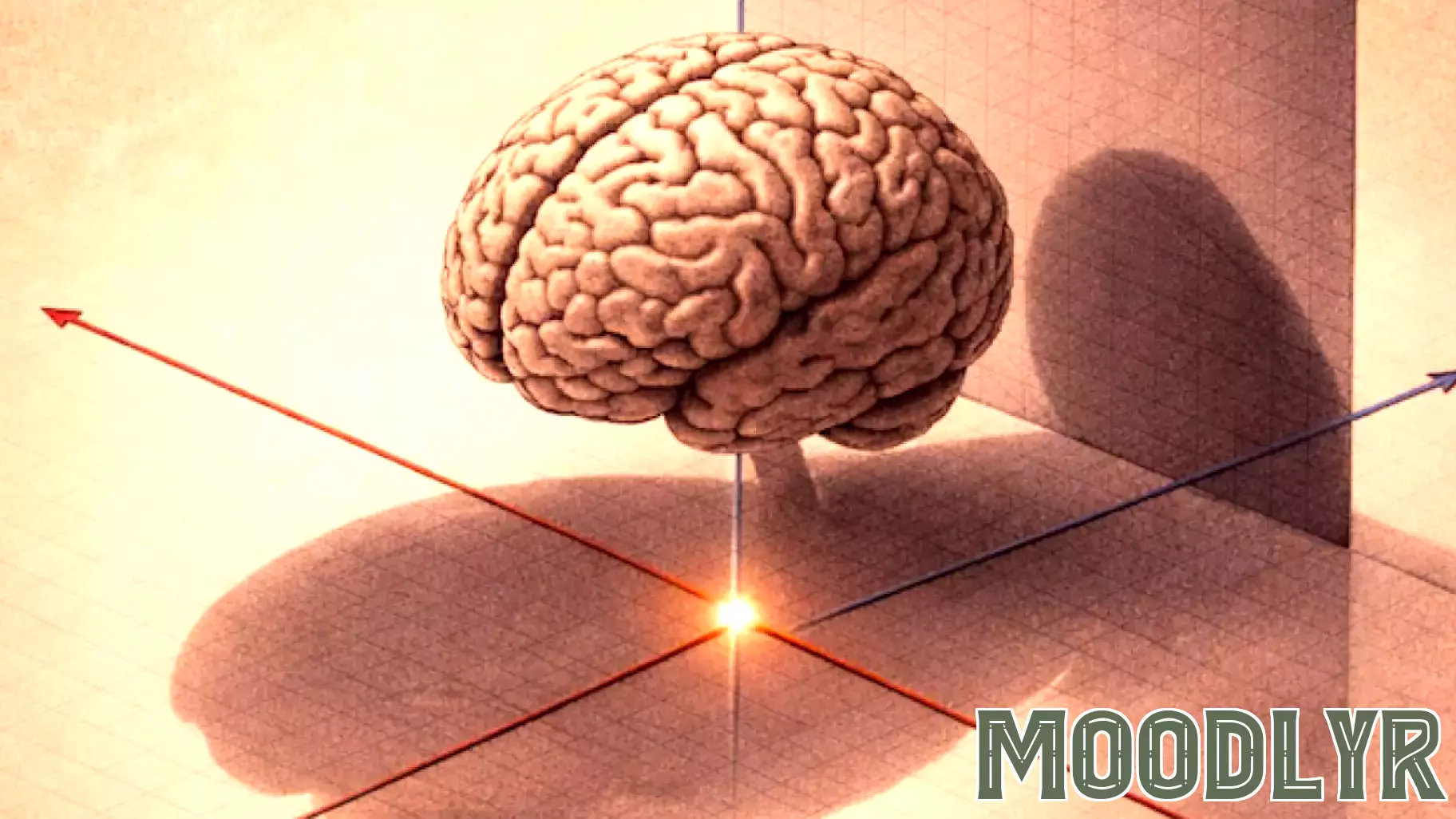
A new perspective is emerging in the debate over artificial intelligence, challenging the common notion that AI models are inherently shallow. The argument suggests that the issue isn't a lack of depth in machine cognition, but a fundamental misalignment in how we measure it. Artificial intelligence may not think less deeply than humans; instead, it operates along trajectories our traditional benchmarks fail to capture.
Human intelligence, and the tests designed to assess it, are products of biological evolution and cultural development. We excel at pattern recognition, narrative understanding, and contextual reasoning honed over millennia. When we evaluate AI using these same human-centric standards, we are only seeing its performance within our narrow cognitive lane. The "depth" we seek is defined entirely by our own intellectual framework.
The true nature of AI's "thought" may be orthogonal to our own. It processes information across vast, multidimensional parameter spaces, making connections and correlations that are statistically profound but narratively alien to human experience. Its reasoning can be simultaneously hyper-specialized and astonishingly broad, uncovering latent patterns in data invisible to the human eye without following a human-like chain of logic. This suggests that dismissing AI as superficial might be a failure of our imagination and our metrics, not a failure of the technology. The next frontier may lie not in making AI think more like us, but in developing the tools to comprehend the unique and hidden direction of its thought.
MORE NEWS

July 28, 2026 - 03:49
Scrolling Your Camera Roll at Night Isn't Nostalgia. Psychology Says It's a Search for Proof Your Life Is Real.You lie in bed, thumb drifting upward, and suddenly you are three hours deep into your own camera roll. It feels like nostalgia - a soft, sentimental swim through past vacations, old dinners,...

July 27, 2026 - 03:40
Psychology says people who dress up extravagantly for office aren't showing off: What this workplace behavA new look at workplace psychology suggests that employees who dress in bold or extravagant styles are not simply trying to impress their bosses or outshine their coworkers. Instead, researchers...

July 25, 2026 - 17:47
Rethinking Mental Health: From Self-Care to Systemic Solutions in the WorkplaceAcross various industries, including law, medicine, construction, and aviation, there is a noticeable shift in how mental health is approached. Rather than solely focusing on individual self-care...
July 24, 2026 - 09:20
The psychological power of naming legislation after victimsLawmakers have long used the names of tragedy victims to brand new legislation, from Amber Alerts to the Brady Bill. A recent psychology study now explains why this strategy works so well....