This Is How People Who Use Emojis at Work Are Perceived
April 9, 2026 - 21:02
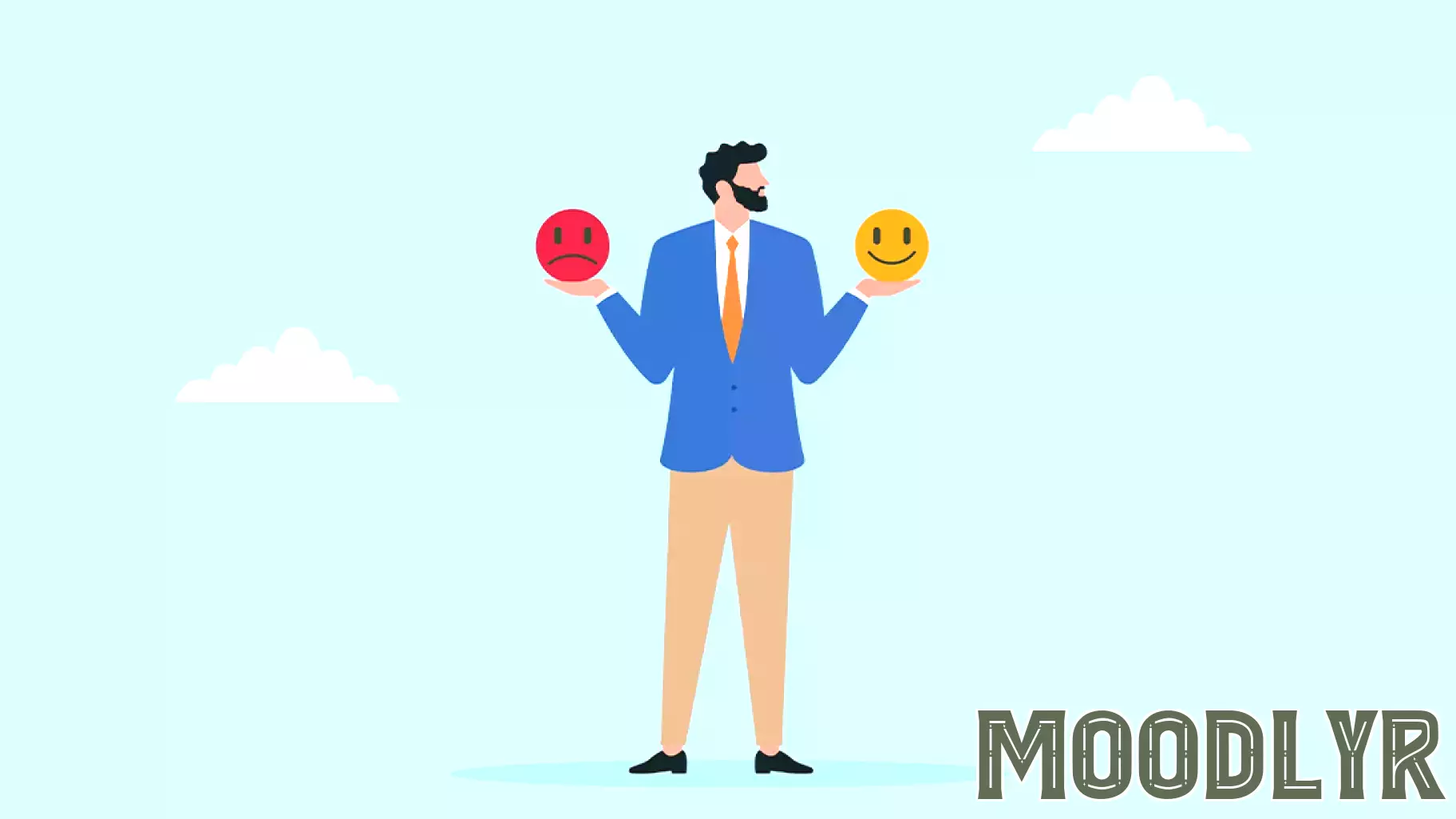
The once-clear line between casual digital chatter and formal workplace communication is becoming increasingly dotted with smiley faces, thumbs-up, and celebratory confetti balls. The use of emojis in professional settings is now a common, yet often debated, practice. New insights reveal that how these symbols are perceived depends heavily on context, company culture, and, notably, the seniority of the person using them.
Research and workplace trends indicate that emojis can serve as powerful tools for building rapport and softening the sometimes harsh tone of written messages. A simple smiley face can convey warmth and approachability, helping to foster a more collaborative and friendly team environment. In remote or hybrid settings, where nonverbal cues are absent, emojis can add valuable emotional context to prevent misunderstandings.
However, perceptions are not universally positive. In many traditional or highly formal industries, the use of emojis may still be viewed as unprofessional or a sign of immaturity, particularly if used in communications with senior leadership or external clients. The key, experts suggest, is mindful adaptation. Mirroring the communication style of your team and superiors is a safe strategy. While a quick "Thanks! 👍" in an internal team chat is widely acceptable, the same symbol might be frowned upon in a board report or a legal contract. Ultimately, strategic and sparing use is recommended to enhance connection without compromising professional credibility.
MORE NEWS

July 9, 2026 - 00:42
Psychology says people who are old school and still love vintage gasoline run cars aren't resistant to chaA common stereotype suggests that people who drive old gasoline-powered cars are stubbornly resisting progress. But psychology research tells a different story. According to studies on nostalgia...
July 8, 2026 - 04:38
Lessons from 43 Years of Teaching PsychologyDr. Roxanne Sullivan, the longest-serving faculty member at Bellevue University, has spent 43 years teaching psychology. Her career spans a dramatic shift in higher education, from traditional...

July 7, 2026 - 02:49
Mediterranean Diet Linked to Better Mental Health in Older AdultsA recent study has found that adults over 50 who follow a Mediterranean diet report higher levels of psychological well-being and showed greater resilience during the COVID-19 pandemic. Researchers...

July 6, 2026 - 03:31
Psychology says people who start feeling patriotic during sports matches aren't cheering for a team, theyPsychology suggests that people who become especially patriotic during sporting events are not simply getting caught up in the excitement. For many, cheering for their country creates a stronger...